10.0
—

Book hotels in Gyeongju, South Korea for walkable tomb parks, Donggung and Wolji night views, Hwangnidan-gil cafes, Bomun resorts, SinGyeongju KTX access, Bulguksa and Seokguram corridors, Yangdong Folk Village outings, Gampo sea routes, museums, lakes, and quieter heritage loops.
Gyeongju rewards hotel picks that mirror how you sightsee: heritage cores close to Daereungwon and Cheomseongdae versus Bomun and lake resorts where room types and spacing matter more than walking every landmark; SinGyeongju for train-first schedules; eastern Bulguksa–Toham nights when UNESCO temples dominate; coastline pockets when seafood and quieter drives outweigh central tomb walks.
Silla tomb & palace walks
Daereungwon to Donggung, Wolji, Woljeonggyo evenings
Hwangnidan-gil & Hwangnam
Cafés, boutiques, tomb-adjacent streets
Bomun Lake resorts
Gyeongju World, boating, quieter hotel bases
Bulguksa & Seokguram corridor
Tohamsan nights when temples lead the itinerary
Guest favorites with exceptional reviews and outstanding service
Premium 5-star hotels offering world-class amenities and unparalleled comfort
Top-rated accommodations offering excellent quality at competitive prices
Book hotels in Gyeongju, South Korea for a heritage-rich stay close to ancient tombs, royal palace sites, temples, traditional streets, lakeside resorts, museums, and peaceful parkland. Known as Korea’s “museum without walls,” Gyeongju places you near Bulguksa Temple, Seokguram Grotto, Daereungwon Ancient Tomb Complex, Cheomseongdae Observatory, Donggung Palace and Wolji Pond, Woljeonggyo Bridge, Hwangnidan-gil, Bomun Tourist Complex, and Gyeongju National Museum.
Gyeongju works especially well for travellers who want culture, history, slow walks, scenic evenings, and a calmer pace than Seoul or Busan. You can stay near Hwangnidan-gil for cafes and heritage streets, choose Bomun for lakeside hotels and family attractions, stay near Bulguksa for temple visits, or base yourself near transport links if you are arriving by KTX, bus, or a wider South Korea itinerary.
Gyeongju is one of South Korea’s most important cultural destinations. The city was the capital of the ancient Silla Kingdom, and many of its main sights are spread across open parks, temple grounds, royal tomb areas, palace ruins, museums, and traditional neighbourhoods.
Hotels in central Gyeongju are useful for travellers who want to walk between major heritage sites. Daereungwon Ancient Tomb Complex, Cheomseongdae Observatory, Donggung Palace and Wolji Pond, Woljeonggyo Bridge, Gyochon Traditional Village, and Hwangnidan-gil can all fit into a compact sightseeing route when you choose the right location.
Bomun Tourist Complex offers a different kind of stay. It is better for travellers who want larger hotels, lakeside scenery, family attractions, resort facilities, and easier access to Gyeongju World, Bomun Lake, and eastern Gyeongju. This area works well for families, couples, and guests who prefer a quieter hotel base outside the busiest heritage streets.
Bulguksa and Tohamsan-area hotels suit travellers who want to focus on Bulguksa Temple, Seokguram Grotto, mountain scenery, and a slower temple-focused itinerary. These areas are less central, but they can make sense if ancient Buddhist heritage is the main reason for your visit.
Gyeongju is also a strong stop between larger South Korean cities. Many travellers combine it with Busan, Daegu, Seoul, or Pohang. Choosing a hotel near Singyeongju KTX Station, the intercity bus terminal, or central Gyeongju can make arrivals, departures, and day trips much easier.
Stay in central Gyeongju if you want the easiest access to the city’s main heritage attractions. This area works well for first-time visitors because you can reach Daereungwon, Cheomseongdae, Donggung Palace and Wolji Pond, Woljeonggyo Bridge, Gyochon Traditional Village, cafes, restaurants, and local streets without long transfers.
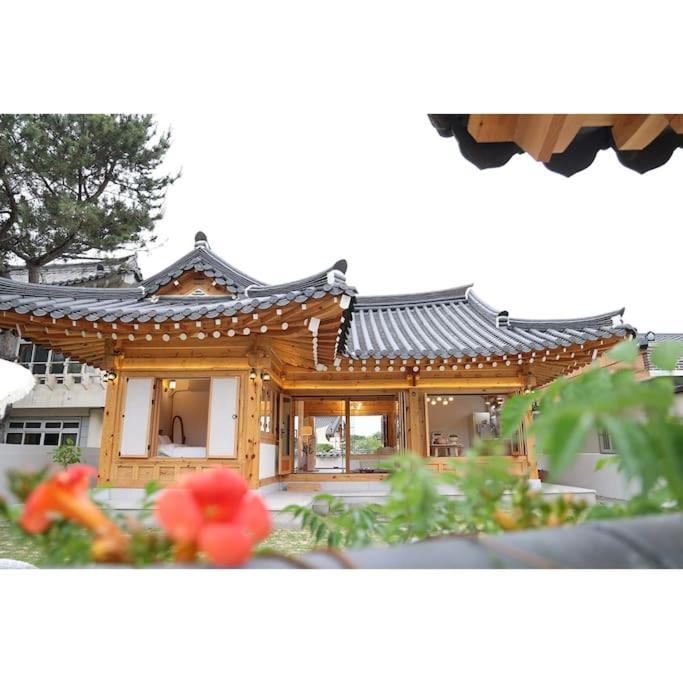
Hwangnidan-gil and Hwangnam-dong are ideal if you want a more atmospheric stay with cafes, renovated hanok-style buildings, restaurants, small shops, and easy access to royal tombs. This area suits couples, solo travellers, photographers, and visitors who want Gyeongju’s heritage side with a modern local feel.
Stay near Daereungwon and Cheomseongdae if sightseeing is your main priority. This location places you close to ancient tombs, open lawns, observatory views, evening walks, and the route toward Donggung Palace and Wolji Pond. It is one of the most useful areas for a short Gyeongju stay.
Bomun Tourist Complex is one of the best areas for families, resort hotels, lakeside stays, conferences, and travellers who want larger properties. Hotels here place you near Bomun Lake, Gyeongju World, museums, restaurants, and leisure attractions. It is less walkable for the central tomb area, but it offers more space and a calmer setting.
Bomun Lake is useful for travellers who want scenic walks, lake views, resort-style hotels, cycling, family attractions, and a quieter pace. It works especially well if you plan to spend more time relaxing instead of only moving between historic sites.
Bulguksa and Tohamsan are strong choices if your trip focuses on Bulguksa Temple, Seokguram Grotto, mountain scenery, and eastern Gyeongju. This area is not as central as Hwangnidan-gil or Daereungwon, but it gives easier access to some of Korea’s most important Buddhist heritage sites.
The Singyeongju KTX Station area is practical for travellers arriving by train, leaving early, or using Gyeongju as a short stop between Seoul, Busan, Daegu, and other South Korean destinations. It is less atmospheric than central Gyeongju, but it can save time for transport-focused trips.
The Gyeongju bus terminal area can work well for budget-conscious travellers and guests who want easy intercity connections. It offers practical access to central areas, local restaurants, and onward transport.
Gampo and Gyeongju’s east coast suit travellers who want sea views, quieter scenery, seafood, coastal drives, and attractions connected to King Munmu’s Tomb. This area is not the best base for central sightseeing, but it can add a completely different side to a Gyeongju trip.
Yangdong Village and nearby rural areas suit travellers who want traditional village scenery, slower travel, and a quieter heritage-focused itinerary. Accommodation may be more limited, so this area is best for travellers who specifically want the countryside side of Gyeongju.
Bulguksa Temple is one of Gyeongju’s most important landmarks and one of South Korea’s great Buddhist heritage sites. Staying near Bulguksa, Tohamsan, or Bomun makes it easier to visit the temple without a long transfer from central Gyeongju.
Seokguram Grotto sits on Tohamsan and is closely linked with Bulguksa Temple. Travellers interested in Buddhist art, mountain scenery, and UNESCO heritage should plan enough time for both sites.
Daereungwon Ancient Tomb Complex is one of the most recognisable sights in central Gyeongju. Its large grass-covered royal tombs create a landscape that feels very different from other Korean cities. Hotels near Hwangnidan-gil, Hwangnam-dong, or central Gyeongju make it easy to visit.
Cheomseongdae Observatory is one of Gyeongju’s most famous historic structures. It sits close to Daereungwon, open parkland, and the walking route toward Donggung Palace and Wolji Pond.
Donggung Palace and Wolji Pond are especially popular in the evening, when the pavilions and water reflections create one of Gyeongju’s most memorable night scenes. Staying in central Gyeongju makes it easier to visit after sunset.
Woljeonggyo Bridge is a beautiful reconstructed bridge near Gyochon Traditional Village and the central heritage area. It is popular for photos, evening walks, and short sightseeing routes through historic Gyeongju.
Gyeongju National Museum is one of the best places to understand the Silla Kingdom and the city’s archaeological heritage. It works well as an early stop because it gives useful context before visiting tombs, temples, and palace sites.
Hwangnidan-gil is one of Gyeongju’s liveliest modern heritage streets. Travellers visit for cafes, restaurants, shops, renovated traditional buildings, photo spots, and a relaxed evening atmosphere close to the tomb area.
Gyochon Traditional Village adds hanok-style architecture, local food, cultural experiences, and walking routes near Woljeonggyo Bridge. It pairs well with a central Gyeongju hotel stay.
Bomun Tourist Complex is a major hotel and leisure area built around lake scenery, family attractions, museums, restaurants, and resort-style properties. It is a strong area for travellers who want more space and hotel facilities.
Bomun Lake is useful for walking, cycling, relaxed views, and a quieter stay outside the central heritage district. It is especially appealing in spring and autumn when outdoor sightseeing feels more comfortable.
Gyeongju World is a family-friendly attraction near Bomun Tourist Complex. It makes the Bomun area especially practical for travellers visiting with children or teenagers.
Yangdong Folk Village is a historic village area that offers a different kind of heritage experience from central Gyeongju. It is better suited to travellers with more time or a specific interest in traditional Korean village landscapes.
Hwangnyongsa Temple Site is important for understanding Gyeongju’s ancient religious and royal history. It fits well into an itinerary with Bunhwangsa Temple, Gyeongju National Museum, and the central historic area.
The Gampo coast gives travellers a quieter seaside side of Gyeongju. King Munmu’s Tomb and nearby coastal routes can work well for repeat visitors or travellers with a car who want to see more than the central heritage zone.
Gyeongju is a year-round destination, but the best time to visit depends on whether you want blossoms, autumn colour, night views, quiet sightseeing, or resort-style stays.
Spring, especially March to May, is one of the most popular times to visit. The weather is usually comfortable, the parks become more colourful, and the open heritage areas are easier to enjoy on foot. Hotels near Daereungwon, Hwangnidan-gil, and Bomun can become more popular during peak spring weekends.
Autumn, especially September to November, is another excellent time to visit Gyeongju. The weather is often comfortable for walking between tombs, temples, bridges, museums, and lake areas. Autumn also suits travellers who want photography, evening walks, and a slower cultural itinerary.
Summer can be hot and humid, but it still works for museums, cafes, lakeside stays, family attractions, and coastal trips toward Gampo. If you visit in summer, choose a hotel with practical transport access and plan outdoor sightseeing earlier or later in the day.
Winter is colder and quieter, but it can be rewarding for travellers who want fewer crowds, peaceful tomb areas, calm temple visits, and better-value stays. Hotels near central Gyeongju or transport links are especially useful during colder weather.
Book earlier during spring blossom periods, autumn foliage season, Korean public holidays, school holidays, major events, and busy weekend travel dates. Gyeongju is a popular domestic destination, so hotel demand can rise quickly during peak periods.
Discover hotels in other popular cities around the world
South Korea
South Korea
South Korea
South Korea

South Korea

South Korea
South Korea
South Korea