10.0
4
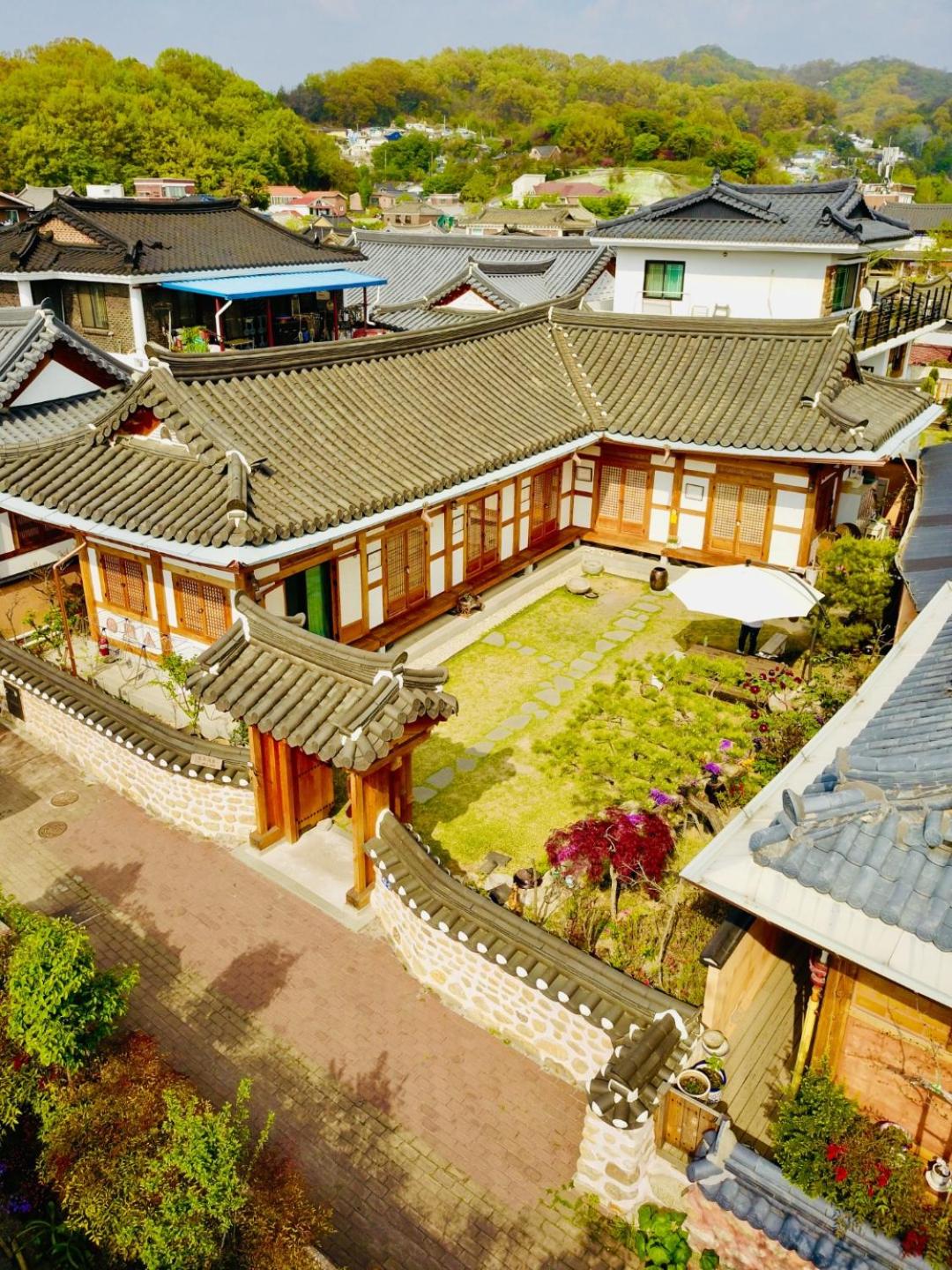
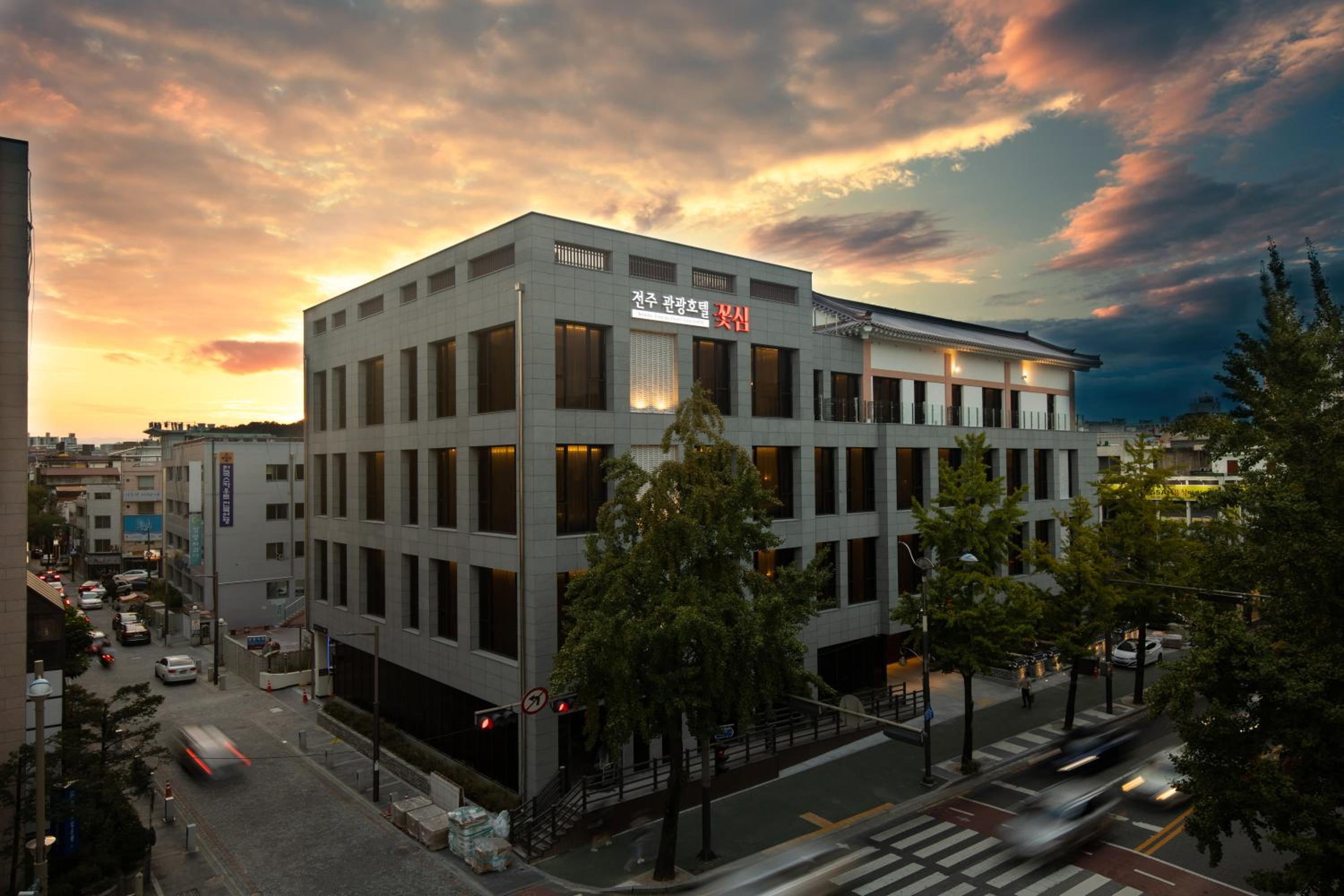
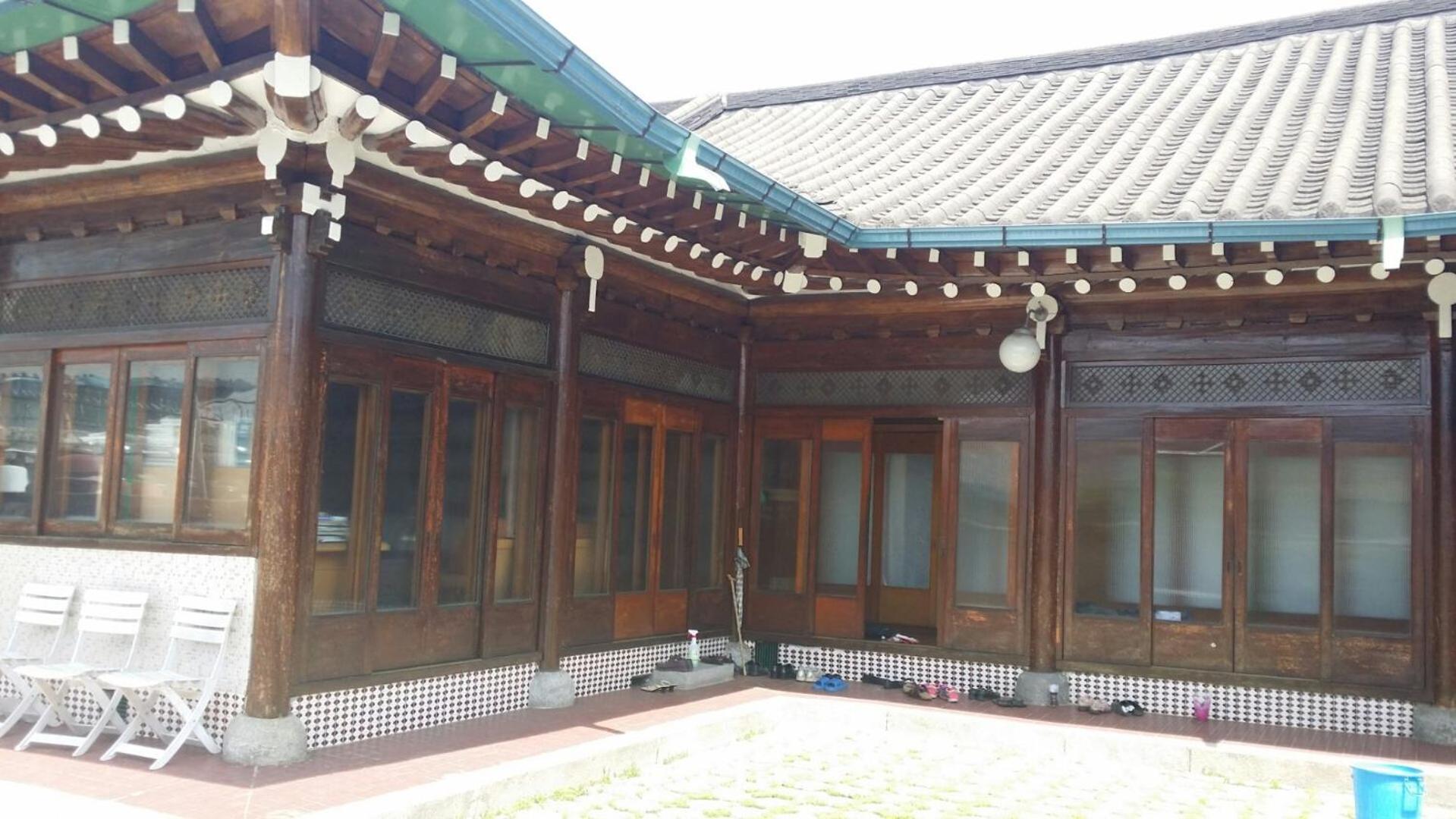
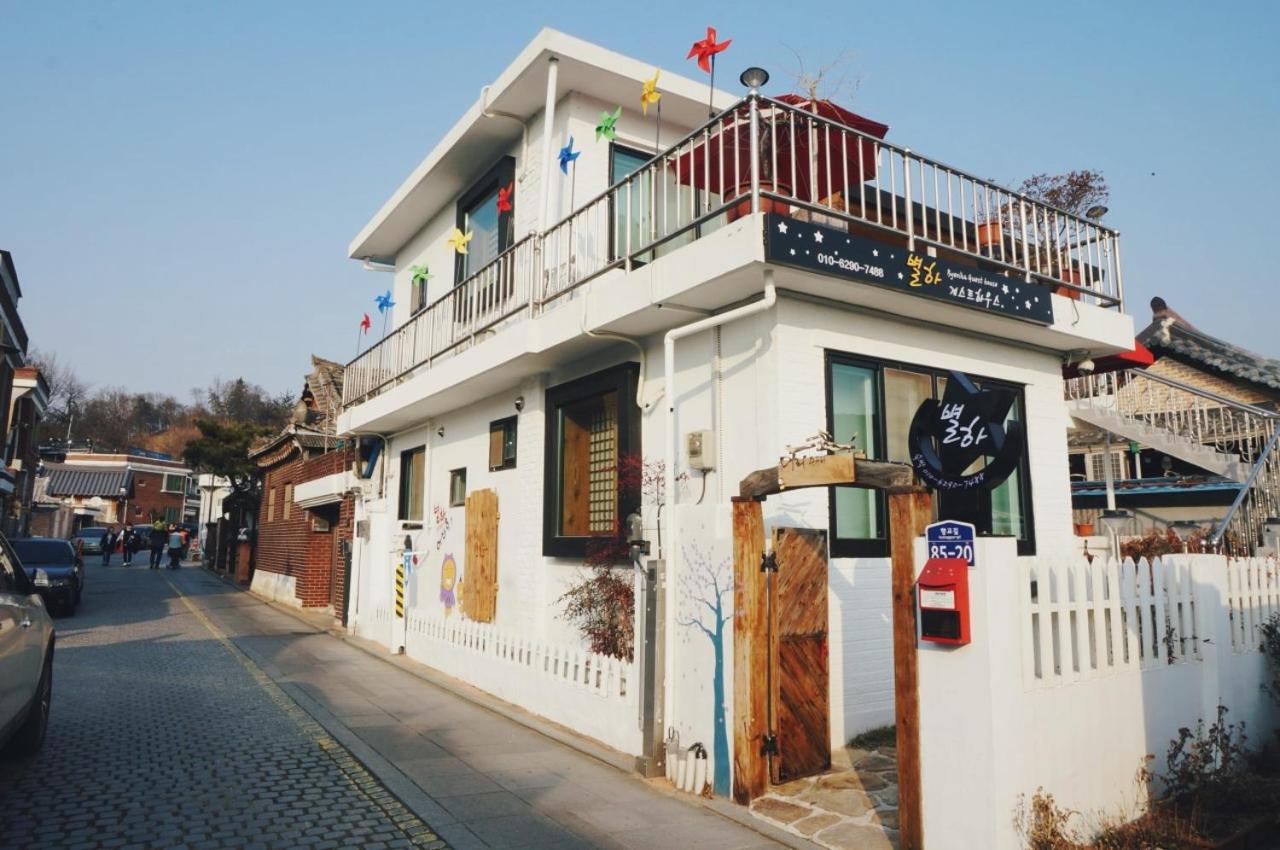
Jeonju Wangyijimil Hanok Hotel
5218-20, Chunhyang-ro, Wansan-gu
133 reviews
Check availability
View Details
Book stays in Jeonju, South Korea close to Hanok Village, Gyeonggijeon Shrine, Jeondong Cathedral, Nambu Market, Omokdae, Jeonju Station, express-bus corridors, Deokjin Park, Ajung Lake, Gaeksa, and quieter Wansan or Deokjin bases.
Nights hinge on pacing: immersive hanok-pocket stays for dusk rooflines versus pragmatic station or terminal rooms for onward legs; Wansan-gu dining corridors when you bounce between murals and civic walks; greener Deokjin-gu strips when quieter parks outweigh tourist crossings.
Hanok Village pacing
Gyeonggijeon, Jeondong Cathedral, Omokdae rooftop lines
Nambu Market & Gaeksa
Food corridors, stalls, youth mall browses
Jeonju Station spine
Practical corridors, express-bus terminal hops
Deokjin-gu respite
Deokjin Park, Ajung lake walks, quieter blocks
Guest favorites with exceptional reviews and outstanding service
Top-rated accommodations offering excellent quality at competitive prices
Book hotels in Jeonju, South Korea for a cultural city stay close to hanok houses, traditional food, historic shrines, markets, mural streets, riverside walks, and relaxed old-town scenery. This famous Korean heritage destination places you near Jeonju Hanok Village, Gyeonggijeon Shrine, Jeondong Cathedral, Nambu Market, Pungnammun Gate, Omokdae, Jaman Mural Village, Jeonju Station, and Deokjin Park.
Jeonju works especially well for travellers who want Korean culture without the scale and pace of Seoul. You can stay inside or near the Hanok Village for atmosphere, choose central Wansan-gu for food and sightseeing, stay near Jeonju Station for transport convenience, or book around Deokjin-gu for a more practical modern city base.
Jeonju is one of South Korea’s best cities for travellers who want tradition, food, culture, and walkable sightseeing. The city is best known for Jeonju Hanok Village, where traditional tiled roofs, small lanes, craft shops, tea houses, hanok stays, and food stalls create one of Korea’s most memorable heritage districts.
Hotels in and around the Hanok Village are ideal for first-time visitors. You can walk to Gyeonggijeon Shrine, Jeondong Cathedral, Nambu Market, Pungnammun Gate, Omokdae, Jaman Mural Village, and Jeonju Hyanggyo without spending too much time in taxis. This area suits couples, solo travellers, photographers, food lovers, and visitors who want a stay with a strong sense of place.
Central Jeonju and Wansan-gu are useful for travellers who want easy access to restaurants, cafes, local streets, markets, shopping, and historic sights. Many of Jeonju’s best-known attractions sit close together, which makes the city easier to explore than larger South Korean destinations.
Jeonju Station and Deokjin-gu work better for practical stays, business trips, university visits, onward travel, and guests who want modern hotels away from the busiest tourist streets. These areas are less atmospheric than the Hanok Village, but they can be convenient if transport, parking, or value matters most.
The biggest reason to book hotels in Jeonju is the experience. This is a city where the hotel area affects the whole trip. A hanok-style stay near the old quarter feels very different from a modern business hotel near the station, a budget stay near the terminal, or a quiet base closer to parks and residential districts.
Stay in Jeonju Hanok Village if you want the most atmospheric experience. This area places you close to traditional houses, craft shops, tea rooms, street food, hanbok rental shops, Gyeonggijeon Shrine, Jeondong Cathedral, Omokdae, and Jaman Mural Village. It is the best area for first-time visitors who want Jeonju’s classic heritage setting.
Pungnam-dong and Gyo-dong are excellent choices for travellers who want to stay close to the Hanok Village without being limited to one street. These neighbourhoods offer heritage lanes, guesthouses, hanok-style stays, cafes, restaurants, and easy walking routes to Jeonju’s main cultural attractions.
Stay near Gyeonggijeon and Jeondong Cathedral if sightseeing is your main priority. This location gives you quick access to Jeonju’s historic core, while keeping Nambu Market, Pungnammun Gate, Hanok Village streets, and central dining areas nearby.
Nambu Market and Pungnammun Gate work well for food-focused travellers. This area places you close to market snacks, local dishes, evening food stalls on selected days, old city streets, and the southern edge of the Hanok Village. It is a practical choice if you want heritage sightseeing and local food in one base.
Gaeksa and Jungang-dong are good choices for travellers who want a central city stay with shops, restaurants, cafes, nightlife, and access to both modern Jeonju and the heritage district. This area can feel more urban than the Hanok Village while still keeping major sights within easy reach.
Stay near Jeonju Station if you are arriving by train, leaving early, or using Jeonju as part of a wider South Korea route. This area is more practical than atmospheric, but it works well for short stays, business travel, and travellers who want easier transport connections.
The Jeonju Express Bus Terminal area is useful for budget-conscious travellers and guests arriving by bus from Seoul, Gwangju, Daejeon, or other cities. It offers practical access to transport and local dining, although most heritage attractions will still require a taxi, bus, or longer transfer.
Deokjin-gu is a practical area for business travellers, university visits, longer stays, and guests who prefer modern city facilities. It is useful for Jeonbuk National University, Deokjin Park, local restaurants, and a less tourist-focused side of Jeonju.
Hyoja-dong and western Jeonju can suit travellers with local plans, business meetings, family visits, or a preference for quieter residential areas. This is not the best base for first-time sightseeing, but it can work well for practical stays.
The Ajung Lake area is a calmer choice for travellers who want cafes, lake views, local restaurants, and a softer pace. It is better for repeat visitors or guests with a car than for travellers who want to walk directly to the Hanok Village.
Jeonju Hanok Village is the city’s signature attraction and the main reason many travellers book hotels in Jeonju. The area is known for traditional hanok architecture, tiled rooftops, cultural workshops, food streets, cafes, guesthouses, and easy walking routes through the old quarter.
Gyeonggijeon Shrine is one of the most important historic stops near the Hanok Village. It is closely connected with Joseon royal history and gives travellers a quieter cultural break from the busier food and shopping streets nearby.
Jeondong Cathedral stands close to Gyeonggijeon and the Hanok Village. Its historic architecture makes it one of Jeonju’s most recognisable landmarks, and it works well as part of a walking route through the old city.
Nambu Market is one of Jeonju’s best food and local market stops. Travellers visit for produce, snacks, casual meals, local goods, and a more everyday side of the city. Staying nearby is useful if food is a major part of your Jeonju trip.
Nambu Market Youth Mall adds a more creative, youthful layer to the traditional market area. It is useful for casual browsing, small shops, snacks, and a different atmosphere above or around the market setting.
Pungnammun Gate is an important historic landmark near Nambu Market and the Hanok Village. It is easy to include in a walking route between the market, Jeondong Cathedral, and the old city streets.
Omokdae and Imokdae offer some of the best views over Jeonju Hanok Village. The walk up is worth it for rooftop views, photos, and a clearer sense of how the old village sits within the modern city.
Jaman Mural Village sits on the hillside near Omokdae and the Hanok Village. Travellers visit for colourful murals, small cafes, steep lanes, and photo spots. It pairs well with a slow walk around the old quarter.
Jeonju Hyanggyo Confucian School is a quieter heritage attraction near the Hanok Village. It is useful for travellers who want traditional architecture, cultural context, and a calmer stop away from the busiest streets.
Jeonju Korean Traditional Wine Museum gives travellers a closer look at local brewing traditions and Korean alcohol culture. It works well as part of a cultural walking route through the Hanok Village area.
Jeonju Crafts Exhibition Hall is a useful stop for travellers interested in Korean crafts, design, souvenirs, and traditional skills. It fits naturally into a Hanok Village itinerary.
Hanbyeokdang Pavilion offers a quieter scenic stop near the river and old city routes. It is useful for travellers who want a slower walk beyond the busiest parts of the Hanok Village.
Jeonjucheon Stream adds a relaxed riverside walking route to a Jeonju stay. Hotels near central Jeonju or the Hanok Village make it easy to include the stream in a morning or evening walk.
Deokjin Park is one of Jeonju’s best-known green spaces. It is especially useful for travellers staying in Deokjin-gu or visiting Jeonbuk National University, and it gives the city a more spacious, local side.
Jeonju National Museum is a useful attraction for travellers who want deeper context on regional history, culture, and artefacts. It is better suited to visitors with more time or a wider interest in Jeolla culture.
Jeonju is a year-round destination, but the best time to visit depends on whether you want comfortable walking weather, food-focused travel, hanok photography, festivals, or quieter hotel rates.
Spring, especially March to May, is one of the best times to visit Jeonju. The weather is usually comfortable for walking through the Hanok Village, visiting Gyeonggijeon, climbing to Omokdae, exploring Nambu Market, and enjoying cafe streets.
Autumn, especially September to November, is another excellent season. The cooler weather suits slow sightseeing, traditional architecture, food markets, riverside walks, and photography around Jeonju’s old quarter.
Summer can be hot and humid, but it still works well for markets, cafes, shaded hanok lanes, museums, food trips, and evening walks. Choose a hotel close to the Hanok Village or your main sightseeing area if you want to reduce transfers in warm weather.
Winter is colder and usually quieter. It can be a good time for hanok stays, warm local food, quieter heritage streets, cafes, and better-value accommodation. Hotels close to the old city or transport links are especially useful during colder months.
Book earlier during Korean public holidays, school holidays, spring and autumn weekends, festival periods, and popular food or cultural event dates. Jeonju is a popular domestic travel city, so central hotels and hanok stays can fill quickly at peak times.
Discover hotels in other popular cities around the world
South Korea
South Korea
South Korea

South Korea
South Korea

South Korea
South Korea
South Korea