10.0
3
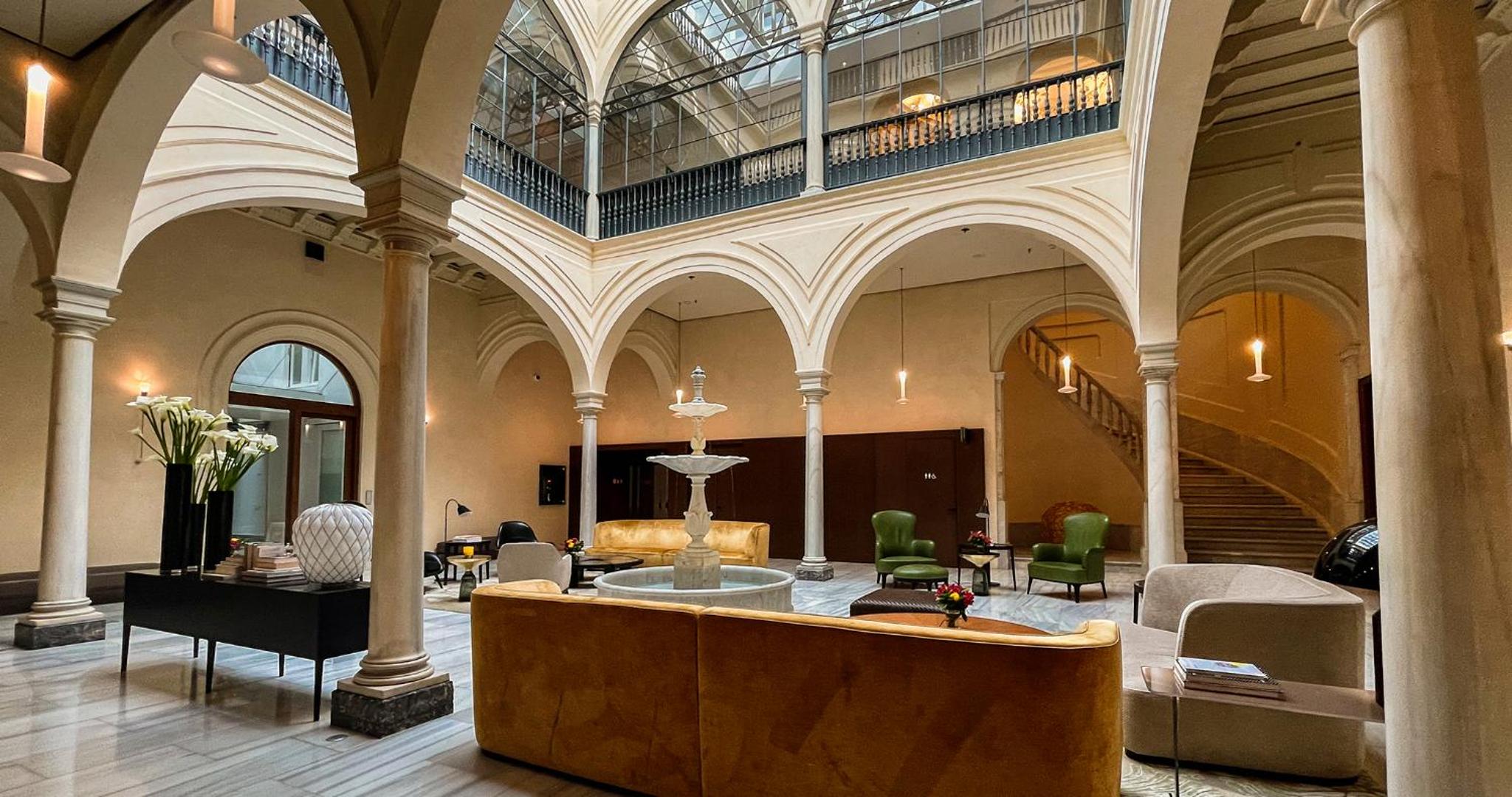
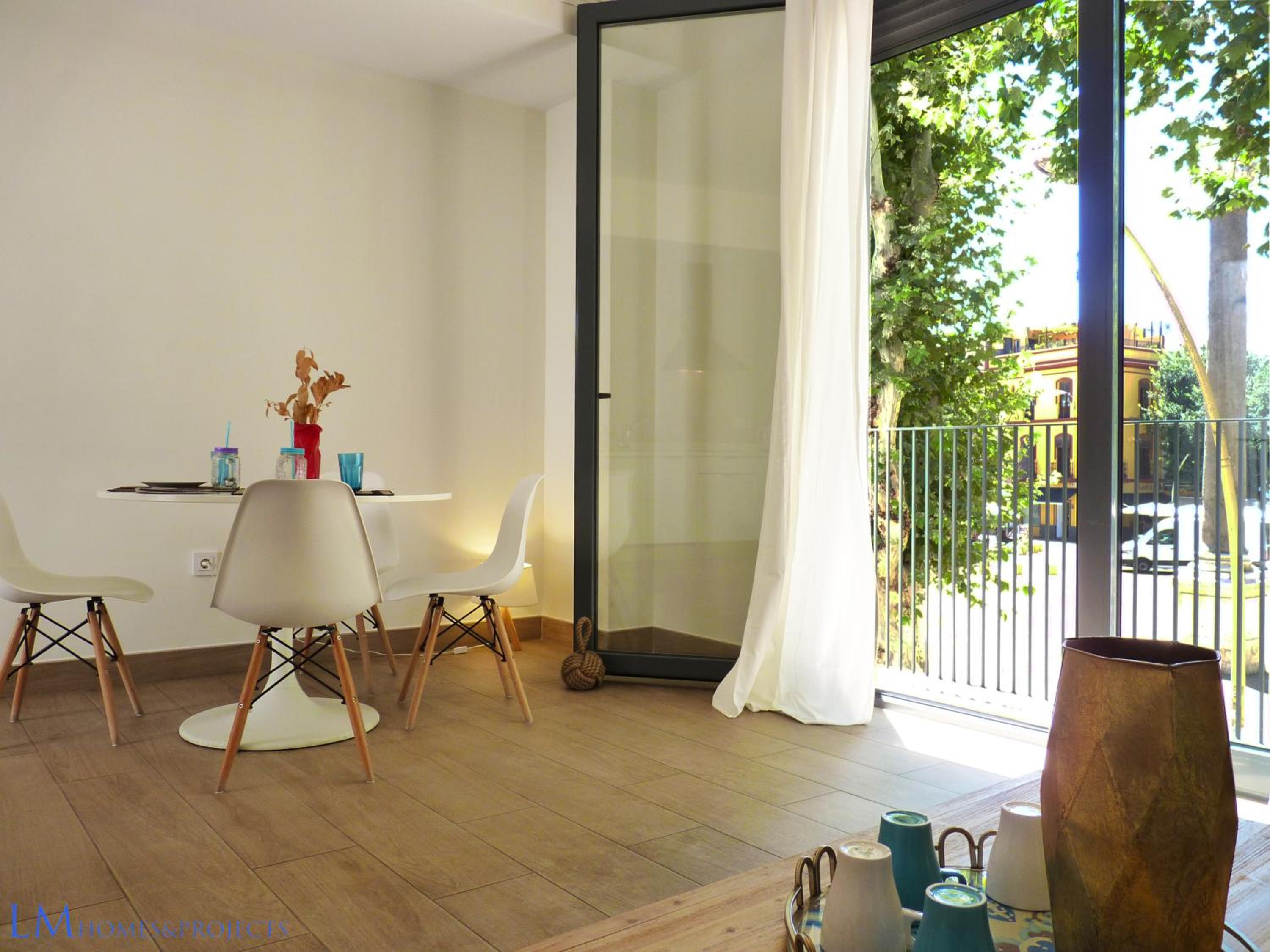
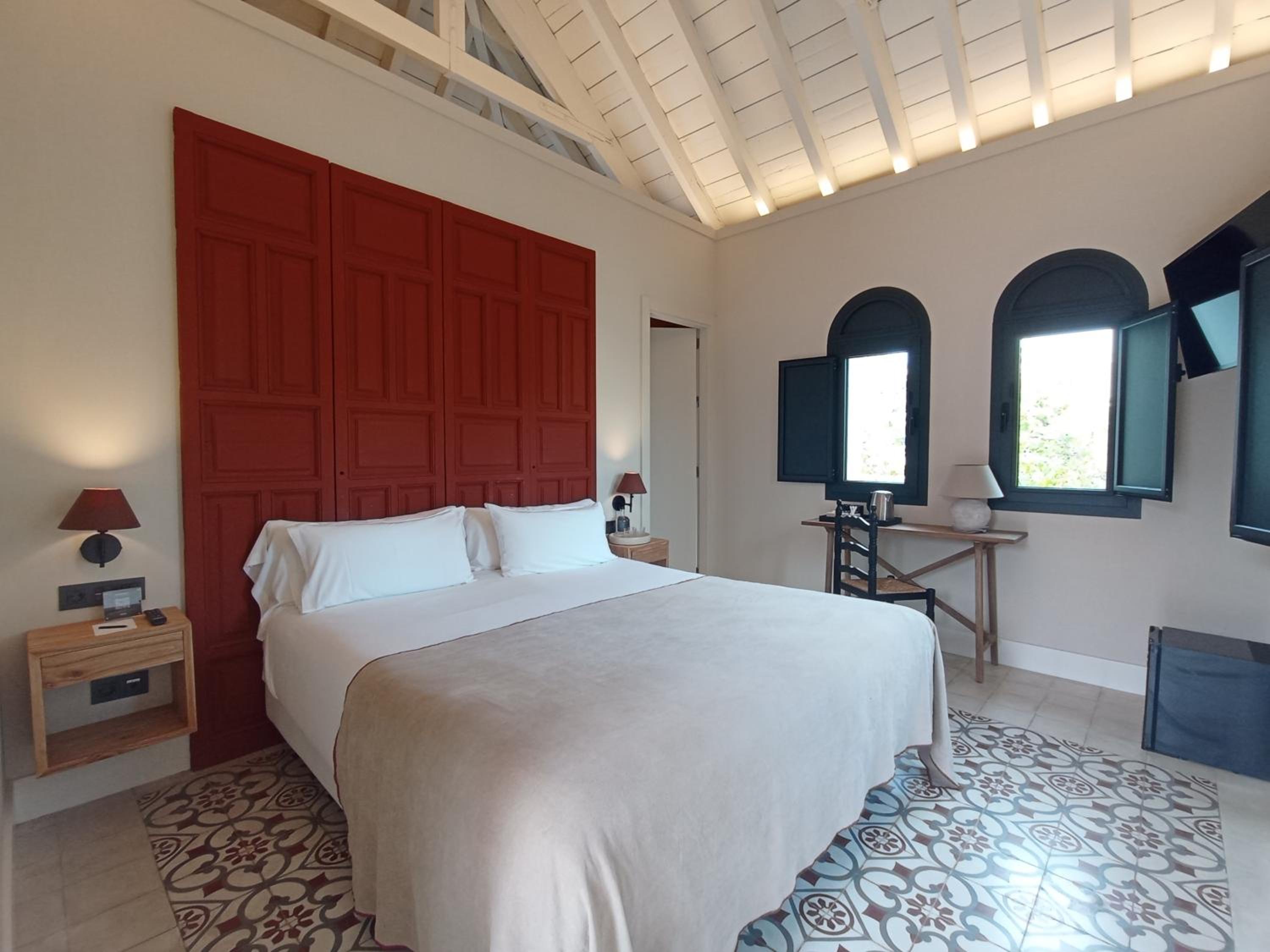
Colectia Hotel Parada del Marqués
C/ Marqués de Paradas 45
2,853 reviews
Check availability
View Details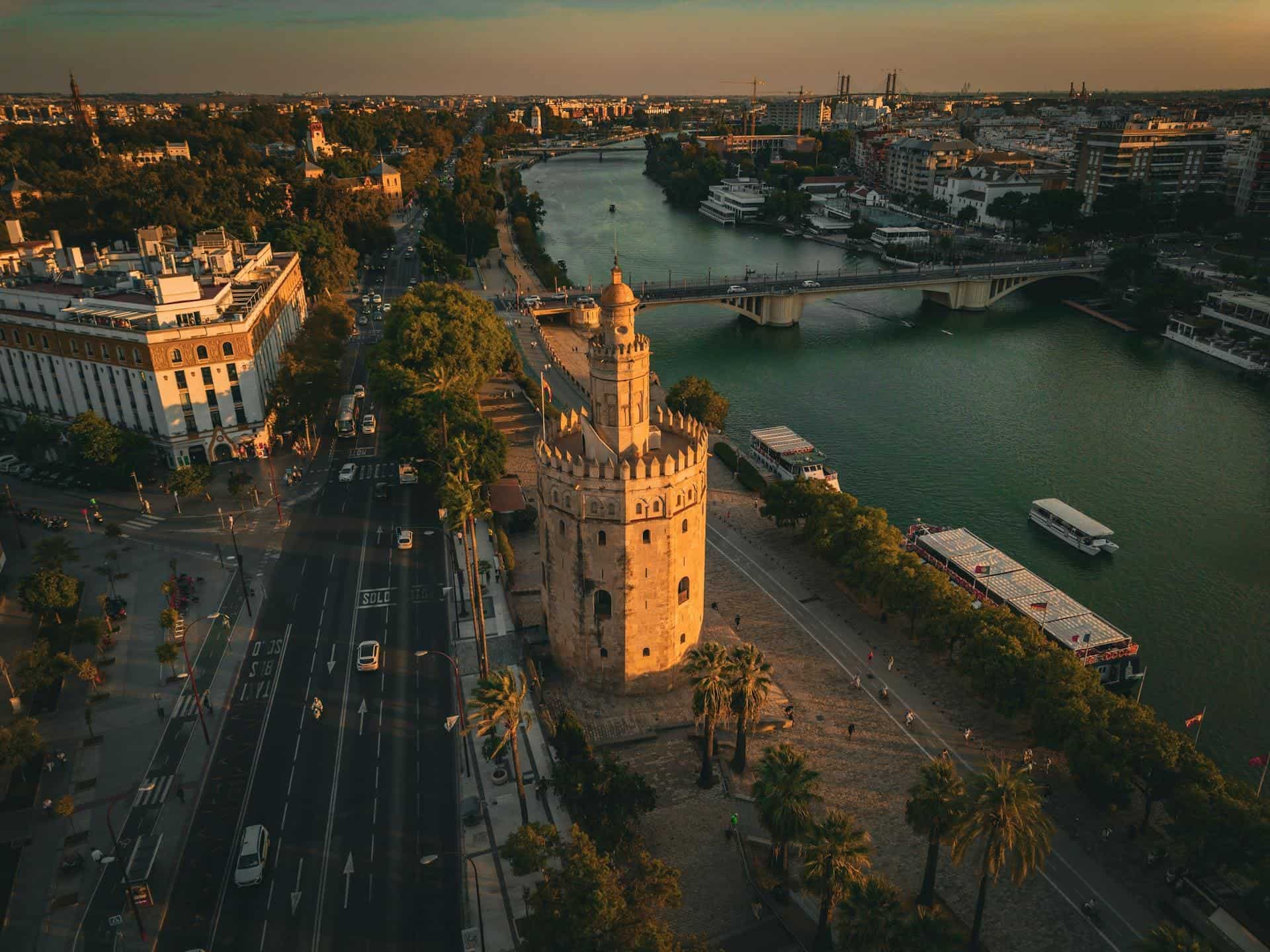
Compare hotels and book accommodation in Seville
Find hotels in Seville for a stay near the Cathedral, Alcázar, Santa Cruz or Triana. Compare available rooms and rates, then book through BooksyGo.
Wide Selection
All property types
Compare stays
View available rates
Secure checkout
Powered by LiteAPI
Flexible options
Check cancellation terms by rate
Guest favorites with exceptional reviews and outstanding service
Premium 5-star hotels offering world-class amenities and unparalleled comfort
Top-rated accommodations offering excellent quality at competitive prices
Compare hotels and book accommodation in Seville for a stay near the Cathedral, Alcázar, Santa Cruz, Triana, or other well-connected districts. Seville is one of the most rewarding city-break destinations in Spain, combining Moorish heritage, grand plazas, flamenco culture, orange-tree-lined streets, tapas traditions, and one of Europe's most atmospheric historic centres. Staying in Seville is about more than booking a hotel near a few headline monuments. It is about choosing the right base for the Cathedral, La Giralda, the Real Alcázar, Barrio de Santa Cruz, Plaza de España, Triana, the Guadalquivir, and a city that blends monumental beauty with everyday Andalusian energy.
One of the biggest reasons to book hotels in Seville is the variety of stay styles across the city. Seville offers atmospheric stays in the old town, elegant central hotels near the cathedral and shopping streets, characterful bases in Triana, practical options in Nervión and around major transport links, refined stays near El Arenal and Los Remedios, and value-focused hotels in outer districts that still keep the city reachable. That range makes Seville a strong choice for first-time visitors, couples, food-focused travelers, culture-focused travelers, short-break visitors, and travelers who want a city with both major landmarks and strong local identity.
Location matters in Seville because different parts of the city create very different kinds of stays. Some travelers want to stay near the cathedral, Alcázar, and Santa Cruz for classic sightseeing and romance, while others prefer the tapas culture and river feel of Triana, the elegant central convenience of El Arenal and Centro, or the practical access of outer districts that make arrival, parking, or business travel easier. Choosing the right area can make a major difference to walkability, evening atmosphere, and the overall rhythm of the trip.
Seville also works very well for both short stays and longer visits. A short stay can focus on the Cathedral, Alcázar, Plaza de España, and evenings in the historic centre, while a longer stay makes it easier to add museums, riverside walks, flamenco venues, neighborhood exploring, and a slower feel for the city beyond its most famous sights. That blend of architecture, food, music, and street life is what makes Seville such a memorable place to stay.
Choosing where to stay in Seville can shape your whole trip. Some areas are best for first-time sightseeing, others work better for tapas culture, restaurants, elegant central convenience, business travel, or a more local-feeling stay. The best area to stay in Seville depends on your budget, travel style, and whether you want monument access, atmosphere, easy transport, or a quieter practical base.
This is one of the best areas to stay in Seville for first-time visitors who want the city's most iconic setting close at hand. It works especially well for travelers who want the Cathedral, La Giralda, the Alcázar, narrow historic lanes, and classic romantic Seville atmosphere.
This is one of the best areas to stay in Seville for travelers who want a strong all-round central base. It suits visitors who want access to monuments, tapas bars, the river, bullring-side history, and easy walking between major parts of the centre.
This is a strong choice for travelers who want central convenience, lively streets, broad sightseeing access, and a location that keeps many of Seville's best-known areas within easy reach. It works well for visitors who want a balanced city-break base.
This is one of the best areas to stay in Seville for travelers who want strong character and a more local-feeling atmosphere. It suits visitors who want tapas culture, flamenco associations, riverfront walks, and a neighborhood with personality beyond the postcard core.
This area works well for travelers who want a livelier and slightly more contemporary city-break feel. It suits visitors who want bars, creative energy, attractive walking routes, and a base that feels central without being identical to the cathedral zone.
This is a practical option for travelers who want modern hotels, easier road access, station convenience, shopping, or a more business-friendly stay. It works especially well for short breaks, work trips, and visitors who do not need to sleep deep inside the old town.
These can be strong choices for travelers who want broader roads, event access, business logistics, or better value while keeping the core city reachable. They work well for practical Seville-city stays beyond the historic centre.
Seville combines royal palaces, cathedral landmarks, historic neighborhoods, riverfront scenery, food culture, and strong district-by-district character, which makes hotel location especially important. Staying in the right part of Seville can save time and help you enjoy more of the city with less friction. Whether you are planning a heritage-led city break, a tapas-focused trip, or a broader Andalusia itinerary, being close to the attractions that matter most can improve the whole experience.
This is one of Seville's defining attraction areas and one of the clearest reasons many travelers choose the city. Hotels with practical access to the cathedral side work especially well for visitors who want monumental architecture, historic prestige, and one of Spain's most memorable urban settings.
Part of Seville's appeal is the richness of its layered Moorish and royal heritage. Staying near the Alcázar and Santa Cruz works especially well for travelers who want historic atmosphere, ornate architecture, and some of the city's most iconic walking streets close at hand.
Seville is not only about the tight old-town core. Hotels with good access to Plaza de España and the park side work especially well for travelers who want grand civic scenery, broad open space, and one of the city's most photogenic settings.
Many visitors come to Seville for atmosphere as much as monuments. Staying with practical access to Triana and the river works especially well for travelers who want tapas culture, bridges, riverside walks, and a broader feel for the city beyond the cathedral zone.
Seville also rewards travelers who want an energetic urban stay with bars, restaurants, and strong evening atmosphere. Hotels in these areas work especially well for visitors who want a more social city-break feel while staying close to major sights.
Seville is also about courtyards, orange-scented streets, late dinners, neighborhood bars, and the rhythm of a city that feels lived in rather than staged. Choosing a well-placed hotel makes it easier to combine headline attractions with the wider atmosphere that gives Seville so much depth.
Seville is a year-round destination, but the best time to visit depends on the kind of trip you want. Some travelers come mainly for sightseeing and walking, while others focus on festivals, terrace dining, or a quieter lower-season break. Each part of the year gives Seville a slightly different feel.
This is one of the best times to visit Seville. Spring usually brings strong overall conditions for walking, sightseeing, outdoor dining, and enjoying the city's major landmarks and neighborhoods at their liveliest.
This is another excellent time to visit Seville. Early autumn works especially well for travelers who want more comfortable city-break weather, strong atmosphere, and a relaxed balance between major sights and slower local exploring.
These months can still work very well in Seville, especially for travelers who want lively city energy while avoiding the most intense high-summer conditions. They work best for visitors who plan their sightseeing around the warmer part of the day.
Seville can still be rewarding in summer, but it works best for travelers who are comfortable with hotter conditions and who plan around the heat with slower afternoons, later dinners, and evening sightseeing.
This part of the year can still be very appealing in Seville. It suits travelers who want architecture, food, culture, and a more atmospheric lower-season city break, even though evenings can feel cooler and some trips focus less on long outdoor afternoons.
Seville can work throughout the year, but the best time to visit depends on whether you want the most comfortable walking weather, the liveliest festival-and-terrace season, or a quieter lower-season stay. Spring and autumn are often the strongest overall periods for many travelers, while winter can still work very well for food, culture, and shorter city breaks.
Discover hotels in other popular cities around the world