10.0
4
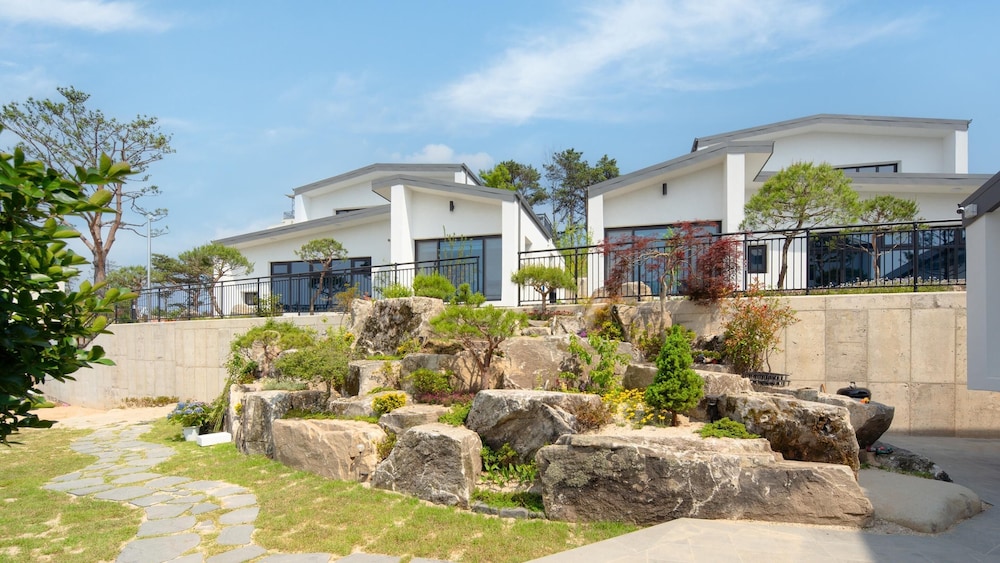
Gosung Shalala Private Pool & Spa Villa
10-15, Sajinyongchon 1-gil,, Toseong-myeon, Goseong, Gangwon-do, 24770
1 reviews
Check availability
View Details
Book hotels in Sokcho, South Korea for stays near Sokcho Beach, Seoraksan National Park entrances, Sokcho Tourist & Fishery Market, Abai Village, Yeonggeumjeong Pavilion, Dongmyeong Port, Daepo Port, Cheongchoho Lake, Yeongrangho Lake, and Seorak-dong gateways.
Sokcho marries seaside mornings with alpine afternoons: central guests swap market snacks and lighthouse walks near Jungang corridors, harbour-first nights pair Yeonggeumjeong sunrises with seafood rows from Dongmyeong toward Daepo, while Seorak-dong lodges favour cable cars, Sinheungsa visits, alpine ridgelines, and earlier trail starts without long transfers from Sokcho hubs.
Sokcho Beach & harbour runs
Bus terminals, Sokcho Eye, Cheongho-dong & lakeside crossings
Market-food spine
Jungang corridors, Jungang Fishery aisles & dakgangjeong stops
Dongmyeong & Yeonggeumjeong
Sunrise viewpoints, lighthouse walks, lighthouse-to-port loops
Seorak-dong trailheads
National park gateways, Sinheungsa, cable-car mornings
Guest favorites with exceptional reviews and outstanding service
Premium 5-star hotels offering world-class amenities and unparalleled comfort
Top-rated accommodations offering excellent quality at competitive prices
Book hotels in Sokcho, South Korea for a coastal mountain stay close to Seoraksan National Park, beaches, seafood markets, harbour walks, lakes, sunrise viewpoints, and relaxed east coast scenery. This compact Gangwon-do city places you near Sokcho Beach, Abai Village, Sokcho Tourist & Fishery Market, Yeonggeumjeong Pavilion, Dongmyeong Port, Daepo Port, Cheongchoho Lake, Yeongrangho Lake, and the Seoraksan entrance area.
Sokcho works especially well for travellers who want both mountains and the sea in one trip. You can stay near Sokcho Beach for sand and sea views, choose Seorak-dong for national park access, stay near the market for food and transport convenience, or book around Daepo Port and Oeongchi for seafood, coastal paths, and a quieter seaside base.
Sokcho is one of South Korea’s best bases for travellers who want easy access to Seoraksan National Park without giving up the comfort of a coastal city. The city sits between dramatic mountain scenery and the East Sea, which gives hotel guests a useful mix of hiking, seafood, beaches, markets, lakes, and harbour views.
Hotels near Sokcho Beach are best for travellers who want a classic seaside stay. This area works well for beach walks, sunrise views, casual restaurants, family trips, and easy access to the express bus terminal. It also places you close to Sokcho Eye, Cheongho-dong, and Abai Village.
Seorak-dong is better for travellers who want to focus on Seoraksan National Park. Staying near the park entrance can make early hikes, cable car visits, Sinheungsa Temple, and mountain-focused itineraries much easier. This area is less central for seafood markets and the beach, but it is practical for nature-focused trips.
Central Sokcho, Jungang-dong, and the market area suit travellers who want food, transport, local shops, and easy movement around the city. Sokcho Tourist & Fishery Market is one of the best places to try local snacks, seafood, dakgangjeong, and regional dishes.
Daepo Port, Dongmyeong Port, Yeonggeumjeong, and the Oeongchi coast are good choices for travellers who want harbour views, seafood restaurants, sunrise walks, and a more scenic coastal feel. The right hotel area depends on whether your trip is mainly about Seoraksan, beaches, food, or a balanced Sokcho itinerary.
Stay near Sokcho Beach if you want sand, sea views, sunrise walks, casual dining, and easy access to the express bus terminal. This area is one of the best choices for first-time visitors who want a simple coastal base with beach atmosphere and quick movement around the city.
Cheongho-dong and Abai Village are good choices for travellers who want food, local character, harbour views, and easy access to the beach and market. Abai Village adds cultural history, seafood restaurants, the small gaetbae ferry experience, and a distinctive neighbourhood feel.
Stay near Sokcho Tourist & Fishery Market if food is a major part of your trip. This area places you close to local snacks, seafood, dakgangjeong, dried seafood, restaurants, shops, and central transport. It is practical for visitors who want to explore Sokcho without staying only at the beach.
Dongmyeong Port and Yeonggeumjeong suit travellers who want sunrise views, coastal walks, seafood, lighthouse scenery, and easy access to the northern waterfront. This area can feel more scenic and relaxed than the busiest beach streets.
Daepo Port is a strong choice for seafood-focused travellers. Hotels near this area place you close to restaurants, harbour scenery, coastal roads, and the southern side of Sokcho. It works well for guests with a car or travellers who want a quieter base than central Sokcho.
Oeongchi Beach and the Oeongchi Coastal Trail are useful for travellers who want a quieter coastal stay with walking routes and sea views. This area works well as a softer alternative to the busiest parts of Sokcho Beach.
Seorak-dong is the best area to stay if Seoraksan National Park is your main reason for visiting Sokcho. Hotels here make it easier to reach the park entrance, Sinheungsa Temple, Seorak Cable Car, Gwongeumseong Fortress, and popular trailheads early in the day.
Yeongrangho Lake is a calmer area for travellers who want lake views, walks, cycling, and a slower pace. It is better for relaxed stays and repeat visitors than for travellers who want to be right beside the main market or beach.
Cheongchoho Lake is useful for travellers who want a central waterside setting, city views, walking paths, and access between the beach, market, and harbour districts. It can work well for guests who want a balanced Sokcho location.
Nearby Toseong, Goseong, and Yangyang can work as secondary alternatives when travellers want Seoraksan access, quieter coastal resorts, or east coast scenery outside central Sokcho. These areas should be treated as nearby options, not as the main Sokcho hotels.
Seoraksan National Park is the main reason many travellers book hotels in Sokcho. The park is known for mountain scenery, hiking routes, rocky peaks, autumn colour, temples, cable car access, and views toward the East Sea. Stay in Seorak-dong for the easiest park access.
The Seorak Cable Car is a popular way to experience mountain views without a long hike. It gives travellers access toward Gwongeumseong Fortress and scenic viewpoints over Seoraksan, Sokcho, and the surrounding coast.
Sinheungsa Temple sits within the Seoraksan area and adds Buddhist heritage, temple architecture, and a calmer cultural stop to a mountain itinerary. It is useful for travellers who want more than hiking from a Seoraksan visit.
Ulsanbawi Rock is one of Seoraksan’s most famous landmarks. It is best suited to travellers who want a more active hike, dramatic mountain views, and one of the area’s classic outdoor experiences.
Sokcho Beach is one of the city’s easiest coastal attractions. Travellers visit for sand, sunrise views, sea air, casual restaurants, and family-friendly beach time. Hotels nearby work well for short breaks and first-time visits.
Sokcho Eye is a visible landmark near Sokcho Beach. It adds a simple leisure activity to a beach stay and can be useful for families, couples, and travellers who want easy evening views.
Abai Village is one of Sokcho’s most distinctive neighbourhoods. Travellers visit for seafood, local dishes, cultural history, harbour scenery, and the small gaetbae ferry connection. It pairs well with Sokcho Beach and the central market.
Sokcho Tourist & Fishery Market, also known as Sokcho Jungang Market, is one of the city’s best food stops. Travellers visit for seafood, dakgangjeong, snacks, local produce, dried fish, and a lively market atmosphere.
Yeonggeumjeong Pavilion is a scenic coastal viewpoint near Dongmyeong Port. It is especially popular for sea views, sunrise photos, and short walks along the rocky shoreline.
Dongmyeong Port is useful for seafood, coastal views, fishing harbour atmosphere, and walks near Yeonggeumjeong and Sokcho Lighthouse. It is a good area for travellers who enjoy harbour scenery.
Sokcho Lighthouse offers coastal views and an easy landmark near Dongmyeong Port and Yeonggeumjeong. It fits naturally into a northern waterfront walking route.
Daepo Port is one of Sokcho’s best-known seafood areas. Travellers visit for restaurants, harbour views, fried seafood, and a more relaxed coastal atmosphere on the southern side of the city.
Oeongchi Beach is quieter than Sokcho Beach and works well for travellers who want sea views, peaceful walks, and a less crowded coastal stop. It pairs well with the Oeongchi Coastal Trail.
Oeongchi Coastal Trail gives travellers a scenic walking route along the water. It is useful for guests who want a gentle outdoor activity without committing to a mountain hike.
Cheongchoho Lake sits close to central Sokcho and adds waterside walks, city views, bridges, and a calmer contrast to the beach and market areas.
Yeongrangho Lake is a peaceful area for walking, cycling, lake views, and slower sightseeing. It works well for travellers who want a quieter side of Sokcho.
Naksansa Temple sits near Yangyang and can be a useful nearby trip from Sokcho. It is best included as a coastal temple stop for travellers exploring the wider east coast corridor.
Sokcho is a year-round destination, but the best time to visit depends on whether your trip focuses on Seoraksan, beaches, seafood, autumn scenery, or quieter coastal travel.
Spring, especially April to June, is a good time for comfortable walks, Seoraksan trails, beach scenery, markets, harbour areas, and lake routes. The weather is usually easier for sightseeing than peak summer or deep winter.
Summer is best for Sokcho Beach, Oeongchi Beach, seafood restaurants, family trips, and coastal breaks. Beach areas become livelier, and hotels near the sand or express bus terminal can become more popular.
Autumn is one of the most famous times to visit Sokcho because Seoraksan National Park draws travellers for fall colour. Hotel demand can rise sharply during peak foliage periods, especially around Seorak-dong and central Sokcho.
Winter is colder, but Sokcho can still be rewarding for seafood, quiet sea views, markets, cafes, hot meals, and clear mountain scenery. Hotels near your main transport point or sightseeing area are especially useful in colder weather.
Book earlier during summer beach season, autumn foliage season, Korean public holidays, school holidays, and busy weekends. Sokcho is a popular domestic getaway, so good-value hotels can sell quickly during peak periods.
Discover hotels in other popular cities around the world
South Korea
South Korea
South Korea

South Korea
South Korea

South Korea
South Korea
South Korea