10.0
3
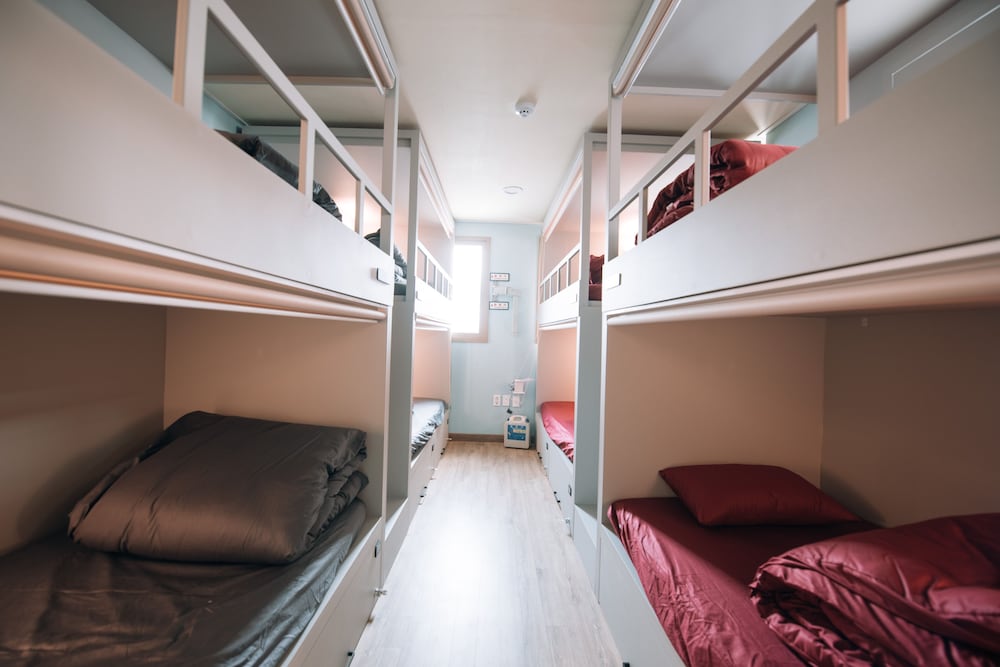
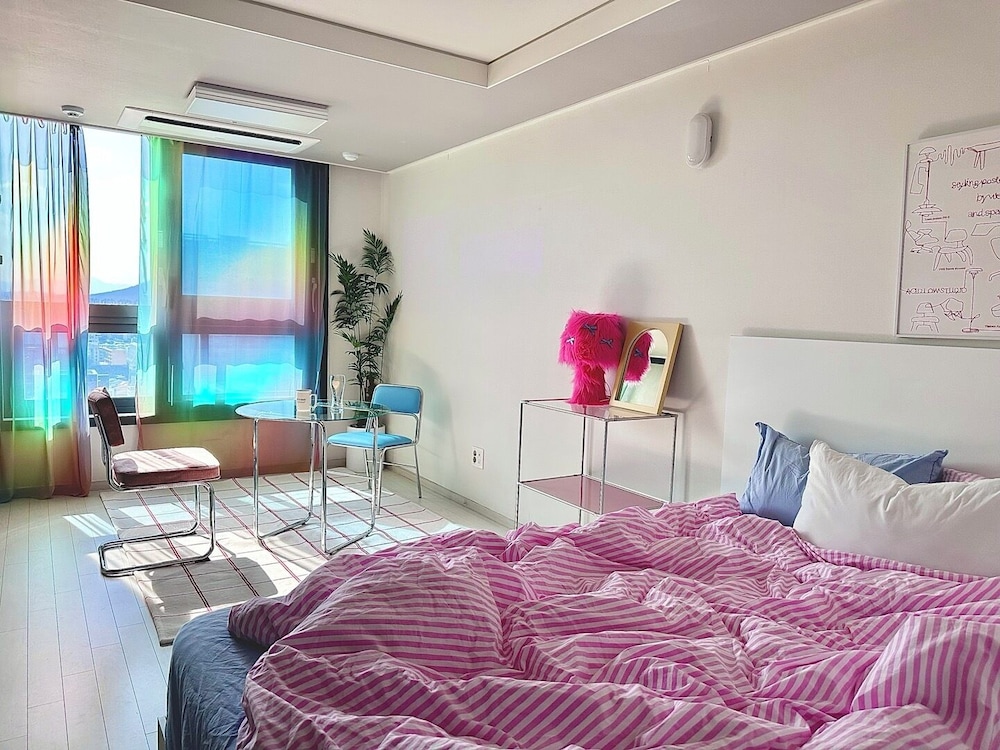
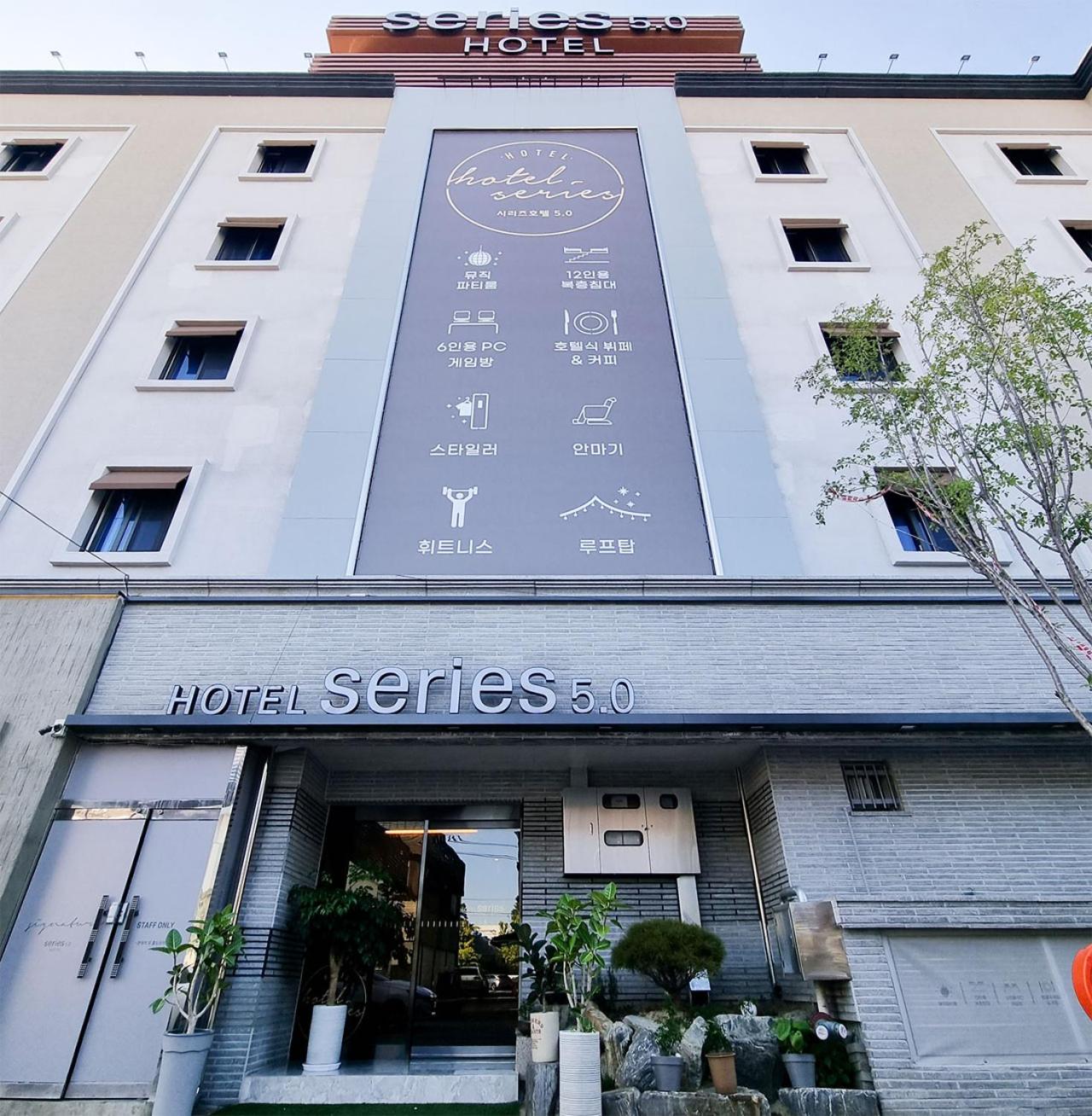
Daegu Seongseo Hotel Series 5.0
6-15, Dalseo-daero 85-gil, Dalseo-gu
4 reviews
Check availability
View Details
Book hotels in Daegu, South Korea for stays near Dongseong-ro, Banwoldang, Seomun Market, Daegu and Dongdaegu stations, Suseong Lake, Apsan, E-World, 83 Tower, Palgongsan, Donghwasa, EXCO, and western Dalseo-gu corridors.
Hotel choice mirrors how you move: Jung-gu corridors for dense markets versus Dongdaegu for arrivals and corridor trains; polished Suseong-gu evenings around the lake; Buk-gu and EXCO for conventions; Nam-gu and Apsan for ridge viewpoints; western Dalseo-gu bases for workplaces, panorama towers paired with hillside temple visits when you steer away from central restaurant and café areas.
Dongseong-ro & Seomun runs
Central shopping, night markets, Banwoldang transfers
Dongdaegu KTX spine
Fast arrivals, departures, cross-country legs
Suseong Lake refinement
Lakeside dining, calmer skyline evenings
Palgongsan ridge access
Hillside temples, cable viewpoints, quieter nights north of Jung-gu
Guest favorites with exceptional reviews and outstanding service
Premium 5-star hotels offering world-class amenities and unparalleled comfort
Top-rated accommodations offering excellent quality at competitive prices
Book hotels in Daegu, South Korea for a stay close to shopping streets, traditional markets, mountain viewpoints, food alleys, business districts, rail connections, and cultural landmarks. This major inland city places you near Dongseong-ro, Seomun Market, Dongdaegu Station, Daegu Station, Suseong Lake, Apsan Park, E-World, 83 Tower, Kim Gwangseok Road, Palgongsan Mountain, and Donghwasa Temple.
Daegu works well for travellers who want a less crowded South Korean city with strong transport links, local food, shopping, history, and access to nature. You can stay downtown for Dongseong-ro and Seomun Market, choose Dongdaegu for KTX access, stay in Suseong-gu for a more polished lake and dining area, or book around Dalseo-gu, Buk-gu, or Seongseo for business and practical city access.
Daegu is one of South Korea’s most useful inland city bases. It sits between major routes across the southeast and offers a strong mix of markets, shopping streets, food culture, transport hubs, parks, mountains, museums, and business districts.
Hotels in central Daegu are best for travellers who want easy access to Dongseong-ro, Banwoldang, Seomun Market, Modern Culture Alley, Kim Gwangseok Road, and Daegu Station. This area is practical for first-time visitors because many restaurants, shops, transit links, and cultural stops sit close together.
Dongdaegu Station is better for travellers arriving by KTX, leaving early, or using Daegu as part of a wider South Korea route. It works well for short stays, business trips, and guests who want fast rail access to Seoul, Busan, Gyeongju, or other cities.
Suseong-gu offers a more refined stay with lakeside walks, restaurants, cafes, business hotels, and access to Suseong Lake. Dalseo-gu and Seongseo are useful for west Daegu business areas, industrial zones, university access, and better-value accommodation. Buk-gu and EXCO work well for conferences, events, and business travel.
Daegu is also a strong choice for travellers who want outdoor views without leaving the city for long. Apsan, Palgongsan, Donghwasa Temple, Duryu Park, E-World, and 83 Tower give the city a different feel from Seoul or Busan. The right hotel location can save time because Daegu’s attractions spread across several districts.
Stay near Dongseong-ro and Jung-gu if you want the most central Daegu experience. This area places you close to shopping, restaurants, cafes, department stores, Seomun Market, Modern Culture Alley, Banwoldang, and Daegu Station. It is one of the best choices for first-time visitors.
Banwoldang is a practical base because it connects key central streets and subway lines. Hotels nearby work well for travellers who want easy movement between Dongseong-ro, Seomun Market, Suseong-gu, Dongdaegu Station, and other parts of the city.
Stay near Seomun Market or Daegu Station if you want traditional market food, central transport, older city streets, and easy access to Jung-gu. This area suits food-focused travellers, budget-conscious guests, and visitors who want to explore Daegu’s market culture.
Dongdaegu Station and Dong-gu are ideal for KTX arrivals, business trips, early departures, and short stays. This area is not as atmospheric as Dongseong-ro, but it is very practical if transport convenience matters most.
Suseong-gu is a good choice for travellers who want a calmer, more polished hotel base with restaurants, cafes, business hotels, and lake views. Suseong Lake is useful for evening walks, dining, and a more relaxed stay away from the busiest downtown streets.
Dalseo-gu and Seongseo work well for business travellers, university visits, industrial area access, and guests looking for practical west Daegu accommodation. This area can also be useful for E-World, 83 Tower, Duryu Park, and transport toward western districts.
Buk-gu is useful for travellers visiting EXCO, business areas, universities, or northern Daegu. Hotels here can make sense for conferences, trade shows, work trips, and guests who want easier access to Palgongsan routes.
Nam-gu and the Apsan area suit travellers who want mountain views, quieter streets, access to Apsan Park, and a more residential side of Daegu. This area is best for guests who value scenery and outdoor walks more than downtown shopping.
The Palgongsan and Donghwasa area is best for travellers who want temples, mountain scenery, cable car views, hiking, and a slower nature-focused itinerary. It is less convenient for downtown shopping, so it works better for specific outdoor or temple-focused trips.
Dongseong-ro Street is Daegu’s main downtown shopping and entertainment area. Travellers visit for fashion stores, department stores, cafes, restaurants, and a lively city atmosphere. Hotels nearby are useful for first-time visitors who want central convenience.
Seomun Market is one of Daegu’s most important traditional markets. It is known for textiles, clothing, street food, local snacks, and a busy market atmosphere. Staying near Jung-gu or Daegu Station makes it easy to visit during the day or evening.
Seomun Night Market adds a different side to the market experience. It is useful for travellers who want evening street food, casual dining, and a more social local atmosphere close to central hotels.
Modern Culture Alley is one of Daegu’s best walking routes for visitors interested in history, architecture, churches, old streets, and the city’s modern heritage. It works well with a central Jung-gu or Dongseong-ro hotel stay.
Daegu Yangnyeongsi Museum of Oriental Medicine gives travellers a cultural stop connected to the city’s traditional medicine history. It pairs well with Modern Culture Alley, central Daegu, and Seomun Market.
Kim Gwangseok Road is a mural and music-themed street dedicated to the Korean folk singer Kim Gwang-seok. Travellers visit for murals, cafes, photos, local shops, and a relaxed walk near Bangcheon Market.
Bangcheon Market sits close to Kim Gwangseok Road and adds small shops, food stops, and local market character to a central Daegu itinerary. It works well for travellers who enjoy slower neighbourhood walks.
Suseong Lake is one of Daegu’s best areas for a relaxed evening. Visitors come for lakeside walks, cafes, restaurants, views, and a calmer atmosphere. Hotels in Suseong-gu are useful if this area is a major part of your trip.
Apsan Park is a major outdoor attraction in Daegu. Travellers visit for walking trails, city views, greenery, and access to Apsan Observatory. It is a good choice for guests who want nature close to the city.
Apsan Observatory offers one of Daegu’s best city views. It is especially useful for travellers who want skyline photos, mountain scenery, and a break from the downtown shopping areas.
E-World is a family-friendly theme park near Duryu Park and 83 Tower. Hotels around Dalseo-gu, Duryu, or central Daegu can work well if families plan to include E-World in their itinerary.
83 Tower is one of Daegu’s most recognisable landmarks. It offers views over the city and is closely connected with E-World and Duryu Park. It works well for families, couples, and travellers looking for a classic city viewpoint.
Duryu Park is useful for walking, seasonal scenery, open space, and access to E-World and 83 Tower. It is a practical attraction for travellers staying in Dalseo-gu or west Daegu.
Palgongsan Mountain is one of Daegu’s key nature areas. Travellers visit for hiking, scenic drives, cable car views, temples, and seasonal landscapes. It works best as a day trip from central Daegu or a focused stay in the mountain area.
Donghwasa Temple is an important temple near Palgongsan Mountain. It suits travellers interested in Korean Buddhist heritage, mountain scenery, and a quieter cultural experience outside the city centre.
Daegu Art Museum is a useful stop for travellers interested in contemporary culture, exhibitions, and a quieter indoor activity. It is most convenient from Suseong-gu and eastern Daegu areas.
Daegu National Museum helps travellers understand the region’s history and culture. It works well as part of a calmer Suseong-gu or family-focused itinerary.
EXCO is Daegu’s major exhibition and convention centre. Hotels in Buk-gu or northern Daegu are useful for business travellers, trade shows, conferences, and event-focused visits.
Daegu is a year-round destination, but the best time to visit depends on whether you want comfortable walking weather, market food, mountain scenery, festivals, or better-value hotel rates.
Spring, especially March to May, is one of the best times to visit. The weather is usually more comfortable for walking around Dongseong-ro, Seomun Market, Modern Culture Alley, Apsan, Suseong Lake, and Palgongsan.
Autumn, especially September to November, is another excellent season. The weather is often easier for sightseeing, hiking, market visits, lake walks, and mountain trips. Palgongsan and Apsan can be especially enjoyable during this period.
Summer can be hot, so it is better to plan outdoor sightseeing earlier or later in the day. This season still works well for cafes, shopping, museums, night markets, Suseong Lake evenings, and indoor attractions.
Winter is colder and usually quieter. It can be a good time for food, markets, shopping, museums, business travel, and lower crowds at some attractions. Hotels near subway stations, Dongdaegu Station, or your main meeting area are especially useful in winter.
Book earlier during Korean public holidays, school holidays, major events, conferences at EXCO, festival periods, and busy weekends. Central Daegu, Dongdaegu Station, and Suseong-gu hotels can become more expensive when demand rises.
Discover hotels in other popular cities around the world
South Korea
South Korea
South Korea

South Korea

South Korea

South Korea
South Korea
South Korea