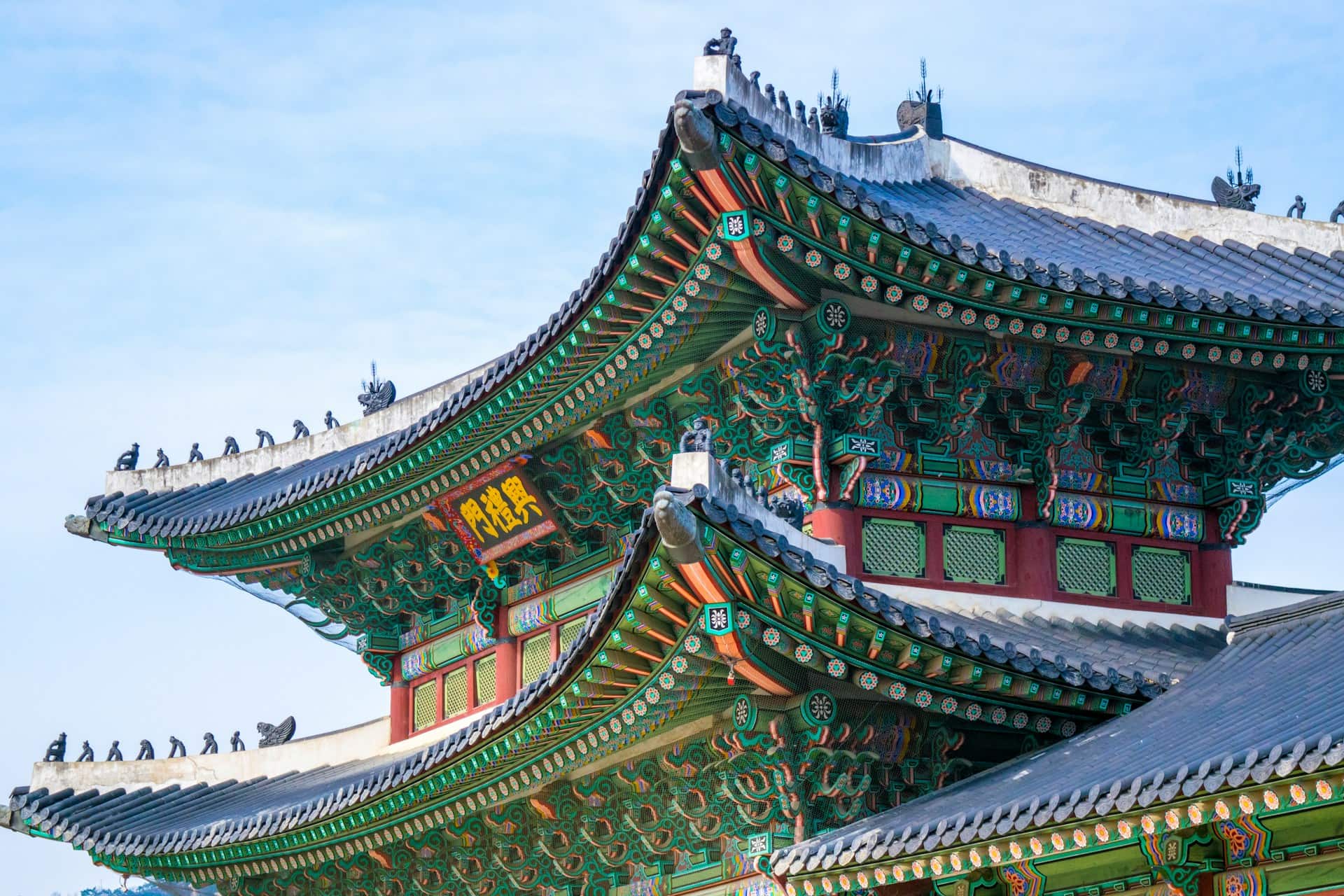
Hotels in South Korea
South Korea combines high-energy cities, royal palaces, mountain scenery, coastal escapes, K-culture, and one of Asia’s most dynamic food scenes. Hotels in South Korea range from sleek high-rise stays in Seoul and Busan to boutique hanok-inspired accommodation in heritage areas, island resorts on Jeju, and practical regional bases linked by fast rail and domestic flights.
Whether you are planning a first-time Seoul itinerary, a food and culture trip through Busan and Gyeongju, a Jeju island escape, or a broader South Korea journey mixing cities, temples, coast, and mountain scenery, this guide will help you decide where to stay in South Korea before comparing hotel options on BooksyGo.
Why visit South Korea
- South Korea combines royal history, modern design, efficient transport, street food, mountains, coastlines, and one of Asia’s most distinctive urban cultures.
- Hotels in South Korea range from luxury city towers and boutique district stays to seaside hotels, heritage-inspired accommodation, and island resorts.
- Seoul, Busan, Jeju, and Gyeongju each offer a very different side of the country, making multi-stop trips especially rewarding.
- South Korea works well for city breaks, K-culture trips, food travel, coastal escapes, temple and heritage travel, and fast-paced rail itineraries.
Best places to stay in South Korea
From skyline city stays and beachside escapes to heritage bases and island holidays, these are some of the best places to stay in South Korea.

Seoul
Seoul combines palace complexes, design districts, nightlife, shopping, K-culture, and one of Asia’s most varied hotel scenes.
Who it suits: Best for first-time visitors, city breaks, shopping, food, and all-round South Korea travel.
Hotels in Seoul
Busan
Busan offers beaches, seafood markets, hillside neighbourhoods, temples, and one of the country’s most enjoyable city-and-coast combinations.
Who it suits: Best for beach-city breaks, food, coastal travel, and travellers wanting a different pace from Seoul.
Hotels in Busan
Jeju
Jeju is South Korea’s best-known island escape, with volcanic scenery, beaches, resorts, waterfalls, and strong year-round holiday appeal.
Who it suits: Best for couples, families, scenic stays, and travellers wanting an island break.
Hotels in Jeju
Gyeongju
Gyeongju is one of the country’s richest heritage destinations, known for tomb parks, temples, traditional history, and a calmer cultural atmosphere.
Who it suits: Best for history, culture, temple travel, and travellers wanting a more traditional side of South Korea.
Hotels in Gyeongju
Jeonju
Jeonju blends hanok heritage, strong food culture, traditional architecture, and one of South Korea’s most rewarding slower-paced city stays.
Who it suits: Best for food, heritage, local culture, and travellers looking beyond the biggest cities.
Hotels in Jeonju
Sokcho
Sokcho offers sea views, mountain access, seafood, and one of the best bases for exploring Seoraksan and the northeast coast.
Who it suits: Best for nature, coastal scenery, hiking, and relaxed regional escapes.
Hotels in SokchoBrowse hotels by city
Explore hotel guides for some of the most popular destinations in South Korea.
Seoul, South Korea
South Korea's megacity capital pairs royal palaces, hanok neighbourhoods, skylines along the Han River, world-class subway links, shopping and dining districts such as Hongdae and Itaewon, and flagship business zones from Gangnam to Yeouido.
Busan, South Korea
South Korea’s flagship coastal metropolis pairs Haeundae and Gwangalli beaches with harbourside markets (Jagalchi, Nampo), Centum City and BEXCO, Seomyeon’s downtown energy, Yeongdo and Songdo promenades, and Gijang’s temple-and-resort shoreline.
Jeju, South Korea
Jeju Island (often searched as Jeju, South Korea) spreads beaches, crater hikes, waterfalls, lava coasts, and resort districts from Jeju City and the airport corridor to Seogwipo, Jungmun, Aewol, Hallim, Hamdeok, Seongsan, and Gujwa.
Incheon, South Korea
Incheon pairs Incheon International Airport and Yeongjong Island with Songdo’s planned waterfront, Chinatown and Open Port heritage streets, Wolmido and coastal markets, Bupyeong’s shopping spine, Eurwangni and Wangsan beaches, and quieter Ganghwa Island within the metropolitan area.
Gyeongju, South Korea
Gyeongju blends Silla-era tombs, Donggung and Wolji night views, Hwangnidan-gil cafes, Bomun lakeside resorts, Bulguksa and Seokguram Buddhist heritage on Tohamsan, Singyeongju KTX corridors, Yangdong Folk Village countryside, Gampo’s east coast routes, museums, gardens, parks, cycling-friendly streets, seafood markets near the coast when you explore further east.
Daegu, South Korea
Daegu, South Korea: a major inland metropolitan base for markets like Seomun, downtown Dongseong-ro and Banwoldang energy, Dongdaegu KTX corridors, polished Suseong-gu lakeside stays, northwest EXCO-linked business belts, Nam-gu and Apsan viewpoints, western Dalseo-gu practicality, airport-smart corridors, Palgongsan and Donghwasa mountain days, plus E-World, 83 Tower, and Duryu Park family routes.
Jeonju, South Korea
Jeonju, South Korea is a famed heritage and food destination for hanok quarters, shrine walks, Bibimbap culture, mural hills, cathedral spires, Nambu Market energy, riverside strolls, railways, campuses, Deokjin greenery, and quieter lake parks.
Sokcho, South Korea
Coastal Sokcho anchors Seoraksan National Park hikes, Sokcho Beach, seafood markets around Jungang Market, harbour sunsets from Yeonggeumjeong and Dongmyeong Port to Daepo Port, neighbourhood character in Cheongho-dong and Abai Village, and lake-lined walks beside Cheongchoho and Yeongrangho—all with quick east-coast motorway and express-bus access.
Suwon, South Korea
Suwon, South Korea anchors the UNESCO-listed Hwaseong Fortress perimeter with Hwaseong Haenggung Palace, fortress gates linking Paldal and Jangan, Banghwasuryujeong outlooks above modern skylines, Hwahongmun creek walks, lanterns along restored ramparts, Suwon Hwaseong Museum dives, KT Wiz Park nights, lively Ingye and Gwanggyo dining spines around Starfield pockets, conventions beside Suwon Station corridors, commuter belts toward Samsung Digital City, and folklore mornings via Korean Folk Village coach hops—without mistaking Hwaseong-si sprawl farther west.
Gangneung, South Korea
Gangneung, South Korea blends Gyeongpo Beach and Gangmun sand with Gyeongpo Lake loops, Anmok Coffee Street sea-front cafes, Chodang Tofu Village rows, Ojukheon and Seongyojang heritage, Jungang Market and Wolhwa Street energy, Jumunjin harbour seafood, sunrise-led Jeongdongjin railscapes, Haslla Art World sculpture coasts, and Olympic Park ice venues—all on quick KTX links from Seoul.
Daejeon, South Korea
Central South Korea metropolitan base for KTX links, Yuseong hot springs, Expo Science Park and Hanbat Arboretum outings, Daejeon Convention Center events, KAIST / Daedeok Innopolis corridors, and wider Chungcheong day trips.
Ulsan, South Korea
Southeast Korea’s metropolitan coast pairs Taehwagang National Garden, Daewangam and Ilsan Beach, Jangsaengpo whale culture, Samsan-dong city energy, Ulsan Station and KTX links, Ganjeolgot sunrises, and Yeongnam Alps access from Ulju-gun.
Popular regions in South Korea
Greater Seoul
Greater Seoul combines royal landmarks, shopping districts, K-culture, museums, and the country’s strongest city-break appeal.
Busan and the Southeast Coast
This region combines beaches, seafood, temples, and one of South Korea’s most rewarding city-and-coast travel experiences.
Jeju Island
Jeju Island offers volcanic scenery, beaches, resort travel, and one of the country’s most popular scenic holiday escapes.
Historic Korea
This heritage-rich region suits travellers looking for temples, tomb parks, old capitals, and deeper traditional cultural travel.
Eastern Coast
The east coast offers sea views, beaches, seafood, and mountain access, with a more relaxed regional travel style.
Central South Korea
Central regions combine transport convenience, urban bases, and easier multi-stop itineraries across the country.
Southern Korea
Southern South Korea offers warmer coastal cities, island access, and a more food-focused, regional travel experience.
Korean Scenic Travel
This wider scenic region is ideal for travellers combining cities, mountains, temples, islands, and coastal routes in one itinerary.
Plan your perfect stay in South Korea
Compare city hotels, island escapes, heritage stays, and coastal bases across South Korea before you book.
Where to stay in South Korea by travel style
Best for city breaks
Best for culture
Best for food
Best for scenic and coastal stays
When to visit South Korea
- Spring: Excellent for city breaks, gardens, cultural travel, and milder conditions across much of South Korea.
- Summer: Best for coastal trips and island stays, though major cities can be hot and humid.
- Autumn: One of the best times for South Korea, with comfortable temperatures and strong conditions for multi-city and scenic travel.
- Winter: Strong for festive city trips, seasonal food travel, and colder-weather escapes, especially if you enjoy winter atmosphere.
South Korea hotel FAQs
- What is the best place to stay in South Korea?
- Seoul is the strongest all-round choice for first-time visitors, while Busan suits coastal city travel, Jeju is ideal for island holidays, and Gyeongju works especially well for heritage-focused trips.
- Are hotels in South Korea expensive?
- South Korea offers a broad range of accommodation, from practical mid-range city stays and business hotels to luxury towers, boutique district hotels, and island resorts.
- How many days do I need in South Korea?
- A shorter South Korea trip can work well in 5 to 7 days, while 8 to 12 days gives you enough time to combine Seoul with Busan, Jeju, Gyeongju, or another regional base.
- Should I stay only in Seoul?
- Not necessarily. Many travellers combine Seoul with Busan, Jeju, Gyeongju, or Jeonju for a broader and more rewarding South Korea itinerary.
- Is South Korea good for rail travel?
- Yes. South Korea is very well suited to multi-city rail travel, especially between Seoul, Busan, Daegu, Daejeon, and other major destinations.
- How do I book hotels in South Korea with BooksyGo?
- Search your destination and dates, compare hotel options and rates, and use BooksyGo destination pages to narrow down where to stay before booking.
Find your perfect hotel in South Korea
Search and compare hotels in South Korea, or browse destination guides to find the right mix of city energy, culture, coast, food, and island travel.