10.0
—
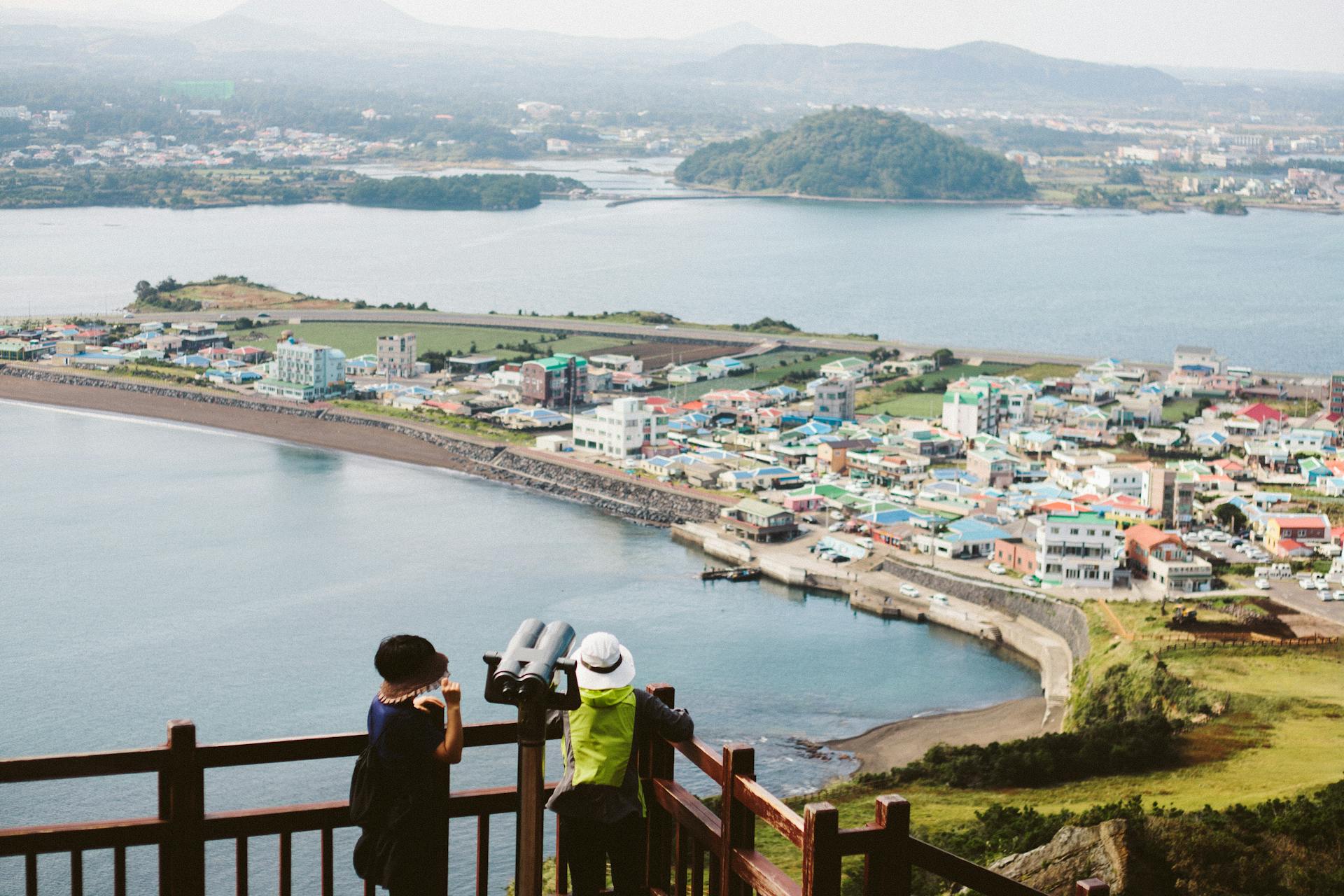
Book hotels on Jeju Island, South Korea for airport-smart Jeju City stays, Seogwipo’s southern coast, Jungmun resorts, Aewol sunset roads, Hallim and Hyeopjae beaches, Hamdeok on the north shore, and sunrise-led east coast bases around Seongsan and Gujwa.
Search results reflect island-wide lodging: travellers often split nights between Jeju City for markets and arrivals, Jungmun or Seogwipo for resorts and waterfalls, western beaches for quieter guesthouses, and Seongsan for Ilchulbong and Udo ferries. The island rewards a rental car or driver for full loops, though tours and taxis still work best when bases sit close to Hallasan hikes, lava tubes, waterfalls, café strips, ferry piers, and the routes you intend to repeat daily.
Hallasan access & crater bases
Choose trailheads versus daily drive time
Jeju City arrivals
Airport corridor, Dongmun lanes, tours
Seogwipo & waterfalls
Southern coast waterfalls & markets
Jungmun to east rim
Resort coasts toward Seongsan & Udo
Guest favorites with exceptional reviews and outstanding service
Premium 5-star hotels offering world-class amenities and unparalleled comfort
Top-rated accommodations offering excellent quality at competitive prices
Book hotels in Jeju, South Korea for an island stay close to volcanic landscapes, beaches, waterfalls, seafood markets, coastal roads, hiking trails, lava formations, and scenic resort areas. This famous South Korean island places you near Hallasan Mountain, Seongsan Ilchulbong, Udo Island, Hamdeok Beach, Hyeopjae Beach, Aewol, Seogwipo, Jungmun, Dongmun Market, and Jeju International Airport.
Jeju works best when you choose your hotel area around the type of trip you want. Stay in Jeju City for airport access and markets, Seogwipo for waterfalls and southern scenery, Jungmun for resort hotels, Aewol or Hallim for beaches and cafes, or Seongsan and Gujwa for sunrise views, Udo trips, and quieter east-coast landscapes.
Jeju is one of South Korea’s most distinctive hotel destinations because it feels very different from Seoul or Busan. Instead of one compact city centre, Jeju spreads across an island of coastlines, volcanic peaks, beaches, farms, fishing villages, lava formations, waterfalls, and resort districts.
Hotels in Jeju City are useful for short stays, late arrivals, early flights, markets, shopping, restaurants, and access to Jeju International Airport. This area is practical if you plan to rent a car, take day tours, or use the city as a simple base before exploring the island.
Seogwipo is better for travellers who want southern scenery, waterfalls, coastal walks, cafes, and a more relaxed pace. Jungmun suits guests who want resort hotels, family-friendly attractions, coastal views, and access to the island’s southwest sights.
Aewol, Hallim, Hyeopjae, and Hamdeok work well for beach-focused trips, cafes, sunsets, and coastal drives. Seongsan, Gujwa, and the east coast are strong choices for sunrise views, Seongsan Ilchulbong, Udo Island ferries, Woljeongri Beach, and quieter nature-focused stays.
The main advantage of booking hotels in Jeju is choice. You can plan a luxury resort trip, a family beach stay, a hiking-focused itinerary, a food and market break, or a slower coastal holiday. The right hotel location can save significant travel time because Jeju is larger than many first-time visitors expect.
Stay in Jeju City if you want airport convenience, shopping, restaurants, cafés, markets, and easy access to tour pickups. This area works well for short stays, late arrivals, early departures, and travellers who want practical transport links. Dongmun Market and Jeju Black Pork Street are two useful nearby food stops.
Yeondong and Nohyeong are practical hotel areas within Jeju City. They offer modern hotels, shopping, restaurants, cafes, and quick access to the airport. These districts are useful for business travellers, short visits, and guests who want city comforts before exploring the island.
Aewol is a strong choice for travellers who want coastal cafes, sea views, sunsets, boutique stays, and a relaxed west-coast atmosphere. Hotels and pensions here work well for couples, road trips, and travellers who prefer scenery over city convenience.
Hallim and Hyeopjae are good areas for beach stays, clear water, relaxed guesthouses, family trips, and western Jeju sightseeing. Hyeopjae Beach, Hallim Park, and nearby coastal roads make this area appealing for travellers who want a softer island pace.
Hamdeok and Jocheon suit travellers who want beach access on the north coast while staying within reasonable reach of Jeju City. Hamdeok Beach is especially popular for its bright water, sand, cafes, and family-friendly seaside atmosphere.
Gujwa and Woljeongri are good for travellers who want east-coast beaches, cafes, quieter roads, and a more local coastal feel. This area works well for repeat visitors, couples, and travellers who are comfortable staying away from the island’s busiest hotel zones.
Seongsan is one of the best areas to stay if you want to visit Seongsan Ilchulbong, watch the sunrise, explore the east coast, or take the ferry to Udo Island. It is less central for island-wide sightseeing, but it is excellent for nature-focused itineraries.
Seogwipo City is a strong base for waterfalls, coastal walks, local markets, cafes, and southern Jeju scenery. Hotels here suit travellers who want a calmer stay than Jeju City while keeping restaurants and attractions nearby.
Jungmun is Jeju’s classic resort area. It works well for luxury hotels, family trips, coastal views, resort facilities, nearby museums, beaches, and access to the southwest coast. This area is best for travellers who want comfort and a more polished holiday setting.
Andeok and the southwest coast are useful for quieter stays, tea fields, coastal viewpoints, countryside scenery, and a slower island trip. This area suits travellers with a rental car who want space, scenery, and fewer crowds.
Hallasan Mountain is Jeju’s highest and most important natural landmark. Travellers visit for hiking, crater views, seasonal scenery, forests, and volcanic landscapes. If Hallasan is a major part of your trip, choose a hotel with practical road access to the trailhead you plan to use.
Seongsan Ilchulbong, also known as Sunrise Peak, is one of Jeju’s most iconic sights. Staying in Seongsan or nearby east-coast areas makes it easier to visit early in the morning and combine the trip with Udo Island or Seopjikoji.
Udo Island is a popular side trip from eastern Jeju. Travellers visit for coastal views, beaches, cycling routes, seafood, and a slower island atmosphere. Hotels near Seongsan are useful if you want an easy ferry connection.
Hamdeok Beach is one of Jeju’s most appealing north-coast beaches. It is known for clear water, soft sand, cafes, family-friendly scenery, and easy access from Jeju City. Hotels nearby are useful for travellers who want beach time without staying far from the airport.
Hyeopjae Beach is a beautiful west-coast beach near Hallim. It is a strong choice for families, couples, and travellers who want clear water, relaxed guesthouses, nearby cafes, and access to Hallim Park.
Aewol Coastal Road is popular for sea views, cafes, sunsets, and leisurely drives. Staying in Aewol works well if you want a scenic base with a relaxed west-coast feel.
Dongmun Market is one of the best places in Jeju City for food, snacks, seafood, produce, souvenirs, and evening market energy. Hotels in Jeju City make it easy to visit without a long drive back.
Jeju Black Pork Street is a useful stop for travellers who want one of the island’s best-known local food experiences. It is close to central Jeju City and pairs well with Dongmun Market.
Cheonjiyeon Waterfall is one of Seogwipo’s most visited natural attractions. It is easy to reach from hotels in Seogwipo City and works well as part of a southern Jeju itinerary.
Jeongbang Waterfall is another major Seogwipo attraction and is known for its dramatic coastal setting. It is convenient for travellers staying in Seogwipo or exploring the southern coast.
Jusangjeolli Cliff is a striking volcanic rock formation near Jungmun. Hotels in Jungmun, Seogwipo, or the southwest make it easier to visit as part of a coastal sightseeing route.
Jungmun Tourist Complex is one of Jeju’s most established resort areas. It offers luxury hotels, beaches, gardens, museums, family attractions, and coastal viewpoints in one concentrated area.
Seopjikoji is a scenic east-coast area known for coastal paths, sea views, open landscapes, and photo stops. It pairs well with Seongsan Ilchulbong and hotels around Seongsan or Gujwa.
Manjanggul Lava Tube is one of Jeju’s famous volcanic cave attractions. Before planning your stay around it, check current visitor access and opening information, because conditions and closures can change.
Osulloc Tea Museum is a popular west Jeju stop for tea fields, desserts, gifts, and relaxed countryside scenery. It fits well with stays around Andeok, Jungmun, Hallim, or the southwest coast.
Jeju is a year-round destination, but the best time to visit depends on whether you want flowers, hiking, beaches, coastal drives, or quieter hotel rates.
Spring, especially March to May, is one of the most popular times to visit Jeju. The island becomes known for blossoms, canola flowers, mild temperatures, hiking, coastal walks, and scenic drives. Hotel demand can rise during peak spring weekends, so earlier booking is sensible.
Summer is best for beaches, swimming, resort stays, cafes, family trips, and coastal scenery. Hyeopjae, Hamdeok, Jungmun, Woljeongri, and other beach areas become busier, and popular hotels can sell out faster.
Autumn, especially September to November, is excellent for hiking, road trips, waterfalls, markets, and outdoor sightseeing. The weather is usually more comfortable than peak summer, and many travellers find autumn easier for exploring the full island.
Winter is quieter and cooler, but it can still be rewarding. Travellers visit for peaceful coastal drives, food, markets, cafes, Hallasan winter scenery, and lower crowds in some areas. A hotel with easy parking or good tour access can make winter travel more comfortable.
Because Jeju is spread out, location matters more than season for many trips. Choose Jeju City for airport convenience, Seogwipo for southern sights, Jungmun for resort comfort, Aewol or Hallim for west-coast beaches, and Seongsan or Gujwa for east-coast nature.
Discover hotels in other popular cities around the world
South Korea
South Korea
South Korea

South Korea
South Korea

South Korea

South Korea
South Korea