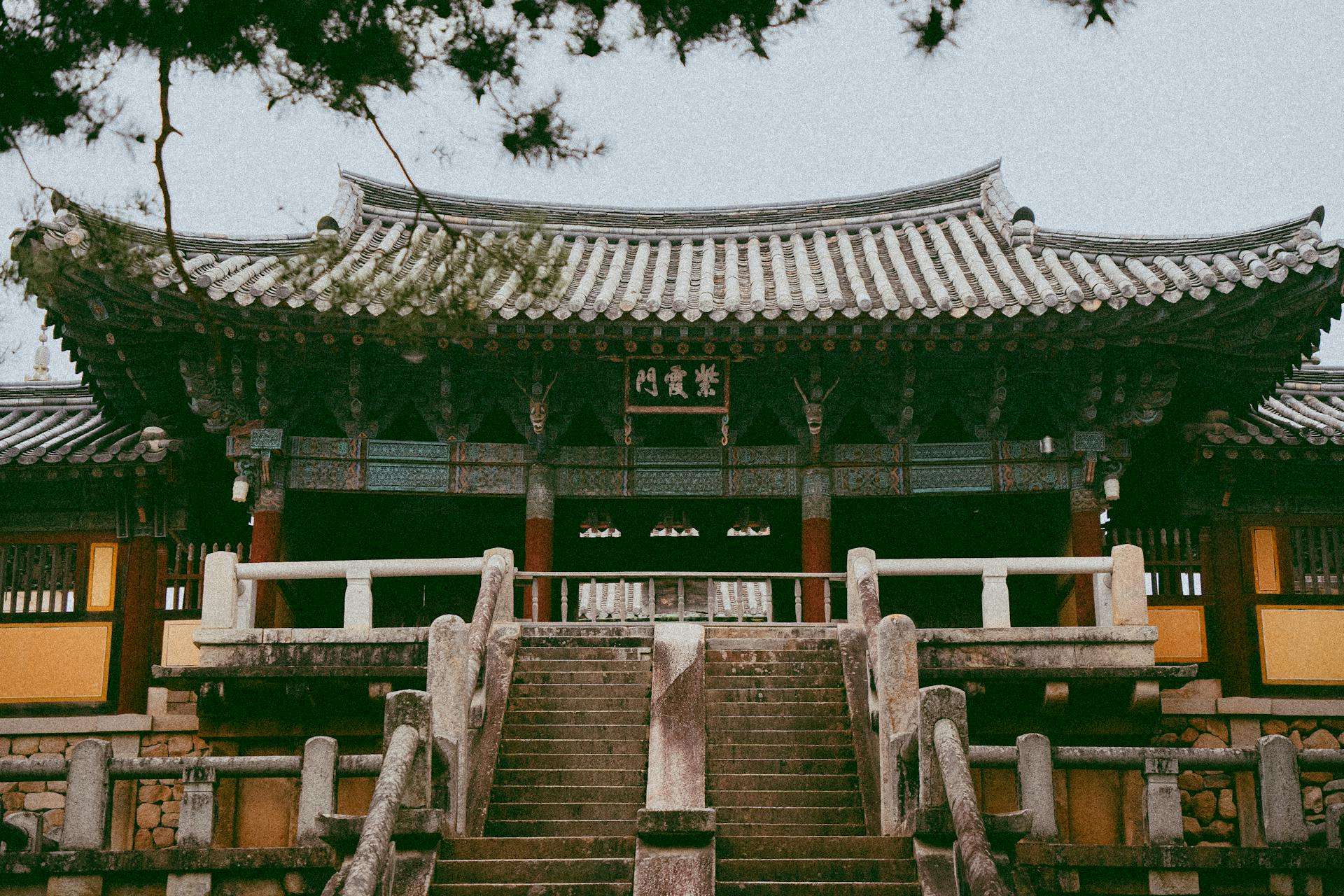
Hotels in Historic Korea — Gyeongju tomb districts, Bulguksa temple corridors, Jeonju hanok quarters, heritage museum pacing and traditional Korea hotel planning

Hotels in Historic Korea

Historic Korea combines Gyeongju tomb districts, Bulguksa temple corridors, Jeonju hanok quarters, heritage museum pacing and slower traditional travel, where tomb-park-adjacent hotels, hanok guesthouses and temple-route properties create heritage Korea pacing distinct from Seoul shopping quarters, Busan seaside districts and Jeju island resort coasts.

Compare areas, hotel styles, trip lengths and city bases before choosing where to stay in Historic Korea.

GyeongjuJeonjuBulguksaHanok QuartersTomb DistrictsHeritage Travel

Quick planning summary

Best for

Gyeongju tomb districts, Bulguksa temple corridors, Jeonju hanok quarters, heritage museum pacing, tomb-versus-hanok hotel trade-offs and traditional Korea routing

Main base

Gyeongju

Suggested stay

3 to 6 nights total

Best time to visit

March to May and September to November often suit many heritage routes, though conditions vary by month

Hotel styles

Gyeongju heritage hotels, tomb-district guesthouses, Jeonju hanok stays, temple-route properties and practical eastern heritage transit bases

Good to know

Historic Korea spans separate Gyeongju tomb corridors and Jeonju hanok quarters. Compare whether tomb-and-temple pacing, hanok immersion or combined eastern-and-central heritage routing fits the itinerary before choosing where to book.

Why stay in Historic Korea

Historic Korea combines Gyeongju tomb districts, Bulguksa temple corridors, Jeonju hanok quarters, heritage museum pacing and slower traditional travel, where tomb-park-adjacent hotels, hanok guesthouses and temple-route properties create heritage Korea pacing distinct from Seoul shopping quarters, Busan seaside districts and Jeju island resort coasts.

Gyeongju often works as the main eastern heritage base with links toward Bulguksa temple routes and wider tomb-park corridors, while Jeonju suits separate hanok-quarter legs when traditional district character replaces repeated Gyeongju returns.

Historic Korea pairs with Greater Seoul for capital contrast, Busan and Southeast Korea for coastal routing and Historic Central China for wider East Asia heritage comparison on regional travel.

Where to stay in Historic Korea

Gyeongju is the main base for Historic Korea travel. Compare the six areas below according to tomb districts, temple corridors and Gyeongju-versus-Jeonju hotel trade-offs.

Gyeongju Tomb Districts

Burial-mound corridors suit heritage-focused pacing with tomb-park-adjacent hotels distinct from modern city business properties.

Bulguksa Temple Routes

Eastern temple districts suit shrine-focused legs when Buddhist heritage routing shapes dedicated Gyeongju days.

Jeonju Hanok Quarters

Traditional district stays suit hanok immersion pacing with courtyard guesthouses distinct from Gyeongju tomb-park hotels.

Heritage versus Hanok Split

Gyeongju tomb corridors and Jeonju hanok quarters differ in daily rhythm — compare separate bases against rail routing time.

Eastern Heritage Sequencing

Gyeongju often follows Busan or Seoul arrival — compare minimum heritage nights against long day returns from coastal cities.

Multi-Stop Heritage Pacing

Most heritage itineraries combine Gyeongju tomb nights with Jeonju hanok extensions — compare character before splitting stays.

Most travellers will start their hotel search with the main city base below, then use the area guide above to choose the district, resort zone or practical location that fits the trip.

Hotels in Gyeongju, Historic Korea

Gyeongju

Gyeongju is the main base for Historic Korea travel, combining tomb districts, Bulguksa temple links, heritage museum corridors and practical launch points toward Jeonju hanok quarters and wider traditional Korea routing.

Best for
Tomb-district stays, temple-route pacing, heritage museum hotels and traditional Korea planning
Hotel style
Heritage hotels, tomb-park guesthouses, temple-route properties and practical eastern transit bases
Top attractions
Tomb districts, Bulguksa temple routes, heritage museums, Jeonju links and eastern traditional dining corridors
Hotels in Gyeongju

Best hotel styles in Historic Korea

Gyeongju heritage hotels

Tomb-district properties suit museum-and-mound pacing with heritage character distinct from modern city business hotels.

Bulguksa temple-route stays

Temple-adjacent guesthouses suit shrine-focused legs when Buddhist heritage routing shapes dedicated eastern days.

Jeonju hanok guesthouses

Traditional quarter properties suit hanok immersion pacing distinct from Gyeongju tomb-park hotel markets.

Eastern transit properties

Rail-linked hotels suit bookend nights between Gyeongju and Jeonju when heritage routing varies across the trip.

Split Gyeongju-Jeonju routing

Combined itineraries suit Gyeongju tomb nights with Jeonju hanok blocks when traditional character varies across the trip.

When to visit Historic Korea

March to May

Spring months often suit many heritage routes — compare Gyeongju tomb plans with Jeonju hanok pacing separately.

September to November

Autumn periods may suit outdoor tomb-and-temple plans — compare flexible heritage routing month by month.

June to August

Summer months may increase humidity — compare flexible museum plans rather than assuming constant outdoor comfort.

Holiday peak periods

Major holiday weeks may increase Jeonju hanok demand — booking earlier may help during popular heritage travel dates.

Suggested Historic Korea trip ideas

3-night Gyeongju tomb focus

Combine heritage hotel nights with Bulguksa routing when eastern tomb-and-temple character shapes the Korea leg.

5-night Gyeongju and Jeonju split

Add hanok quarter nights when Jeonju traditional pacing joins Gyeongju tomb districts on one itinerary.

6-night heritage and Busan routing

Extend toward Busan when coastal contrast joins Historic Korea depth on wider South Korea travel.

Things to consider before booking

  • Gyeongju tomb districts and Jeonju hanok markets differ — compare separate heritage bases against rail routing time and evening plans.
  • Greater Seoul covers capital district routing separately — compare KTX or coach sequencing when capital-and-heritage legs join one itinerary.
  • Busan and Southeast Korea covers coastal city pacing separately — compare Busan-to-Gyeongju routing against focused heritage depth here.
  • Historic Central China covers wider East Asia heritage comparison — compare central China cultural routing when regional travel joins Korea stays.
  • Holiday peak weeks may increase Jeonju hanok demand — booking earlier may help during popular heritage travel dates.
  • Hanok guesthouses vary in bathroom layout and floor sleeping — compare property details before booking traditional stays.
  • Bulguksa temple routes involve separate routing from central Gyeongju — compare minimum Gyeongju nights against long day returns.
  • Tomb-park hotels vary in walkability to mound clusters — compare district location against daily heritage routing before booking.
  • Heritage museum hours may vary — compare flexible tomb-and-museum plans rather than assuming fixed daily schedules.

Planning a wider South Korea trip? These regions pair well with Historic Korea stays.

View all South Korea destinations

Historic Korea hotel FAQs

Which Historic Korea area is best to stay in?
Gyeongju suits tomb-and-temple heritage pacing. Jeonju suits hanok quarter immersion. Compare daily plans before choosing.
How many nights suit Historic Korea?
Three nights can cover Gyeongju at a focused pace. Four to six nights allow Jeonju hanok extensions or slower temple depth.
Should I visit Gyeongju from Busan or stay overnight?
Dedicated Gyeongju bases suit tomb-and-temple pacing rather than long day returns from Busan. Compare minimum heritage nights against coastal routing time.
How does Gyeongju compare with Jeonju?
Gyeongju emphasises tomb districts and Bulguksa temple corridors. Jeonju centres on hanok quarters and traditional food-and-craft pacing.
Can Gyeongju anchor a wider Korea trip?
Yes. Gyeongju often works as an eastern heritage base with links toward Busan, Seoul and Jeonju. Compare base count against total trip length.
Is Bulguksa accessible from Gyeongju hotels?
Bulguksa involves separate routing from central Gyeongju tomb districts. Compare temple day plans and transport options before choosing hotel location.

Find your hotel in Historic Korea

Compare hotels in Gyeongju and Jeonju, then choose tomb-district, temple-route or hanok quarter bases that fit your traditional Korea itinerary.

Hotels in Historic Korea | Gyeongju Tombs and Jeonju Hanok | BooksyGo