9.8
4
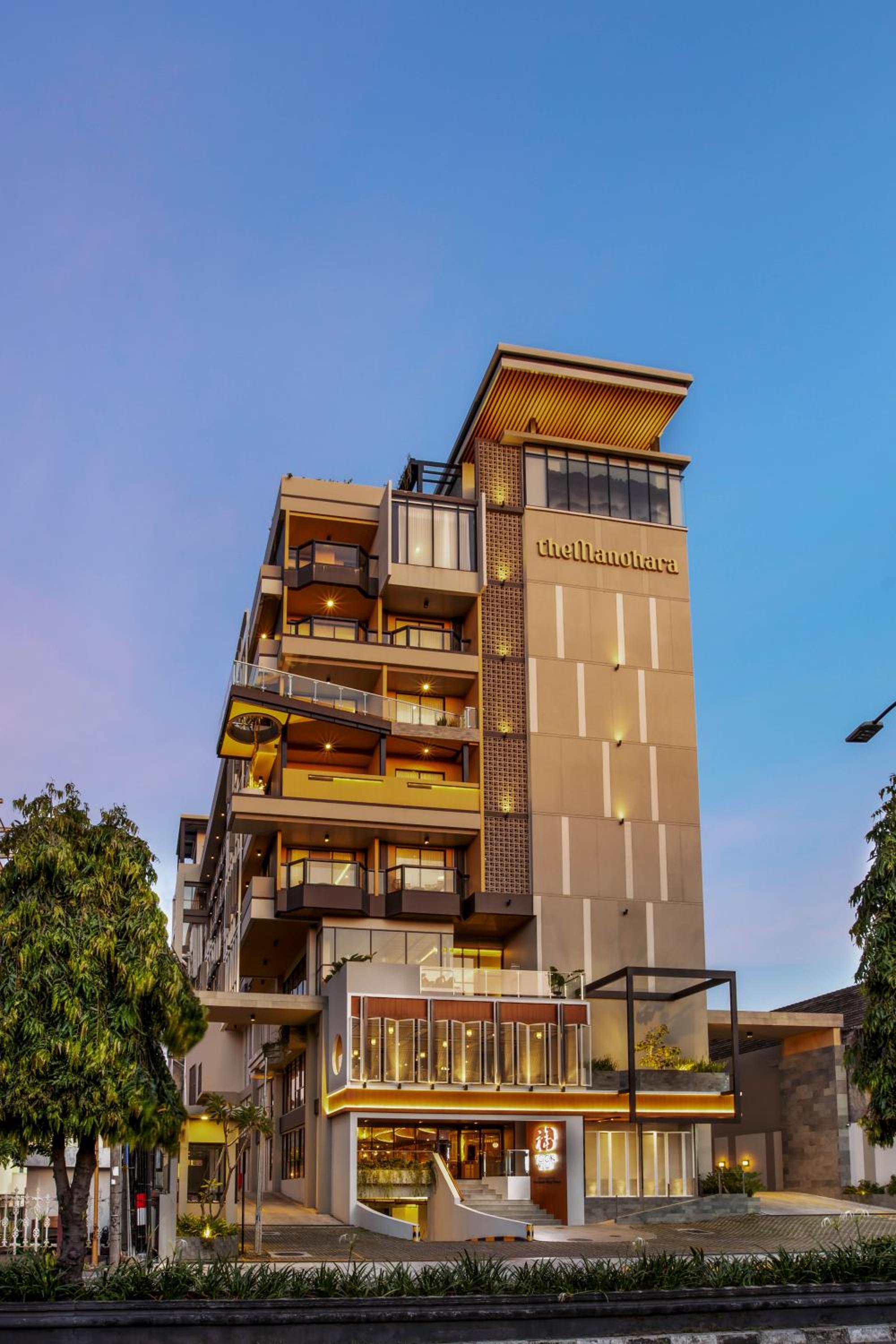
The Manohara Hotel Yogyakarta
Jl. Affandi No.35, Gejayan, Caturtunggal, Kecamatan Depok
587 reviews
Check availability
View Details
Book the perfect stay in Java’s cultural heart
Hotels in Yogyakarta place you close to Malioboro and Beringharjo Market, Kraton Yogyakarta, Taman Sari, Alun-Alun Kidul, Tugu Monument, batik stalls, heritage streets, museums, cafés, street-food lanes, guesthouses around Prawirotaman and Kotagede silver streets, trains from Tugu Station, and onward routes toward Yogyakarta International Airport or Adisutjipto. Stay in Malioboro for shopping and station access, near the Kraton for royal heritage, in Prawirotaman for cafés and guesthouses, or plan day trips to Borobudur, Prambanan, Ratu Boko, Mount Merapi, and the south coast—many travellers call the city Jogja in conversation, but the same neighbourhoods anchor your stay.
Malioboro and Kraton
Markets, palace & old streets
Batik, food and heritage
Workshops, lanes & local flavour
Borobudur and Prambanan
Iconic temple day trips
Trains and airports
Tugu Station & flight links
Guest favorites with exceptional reviews and outstanding service
Premium 5-star hotels offering world-class amenities and unparalleled comfort
Top-rated accommodations offering excellent quality at competitive prices
Hotels in Yogyakarta are ideal for travellers who want Javanese culture, royal heritage, batik, street food, temples, museums, markets, cafés, train access and easy day trips across Central Java. Many visitors call the city Jogja in conversation, but Yogyakarta is more relaxed than Jakarta and more culture-focused than Bali, which makes hotel location especially important for sightseeing and transport.
Malioboro is the best base for many first-time visitors. You can stay close to Jalan Malioboro, Beringharjo Market, Tugu Station, shopping streets, batik stalls, street food, local transport, Fort Vredeburg, museums and easy routes toward Kraton Yogyakarta. This makes Malioboro hotels useful for short stays, first-time sightseeing, rail arrivals and travellers who want everything close together.
The Kraton area works well for travellers who want Yogyakarta’s royal and historic identity. You can stay near Kraton Yogyakarta, Taman Sari, Alun-Alun Kidul, traditional neighbourhoods, batik areas, local food and heritage streets. This area is stronger for culture than pure transport convenience.
Prawirotaman gives visitors a different type of stay. It is popular for guesthouses, cafés, restaurants, small hotels, tour offices, laundry services and a traveller-friendly atmosphere. It is not as central as Malioboro, but it can feel easier and calmer for longer stays.
Yogyakarta is also one of Indonesia’s best bases for temple and nature day trips. Travellers often use the city for Borobudur, Prambanan, Ratu Boko, Mount Merapi, Jomblang Cave, Parangtritis Beach and nearby Central Java routes. These places are not all in the city centre, so hotel choice should match your tour pickups, train plans and airport timing.
Accommodation in Yogyakarta ranges from budget guesthouses and boutique heritage hotels to city-centre hotels, family-friendly properties, serviced apartments, resort-style stays, station-area hotels and airport-linked accommodation. Choose Malioboro for convenience, Kraton for heritage, Prawirotaman for cafés and guesthouses, Kotagede for craft culture, or airport-area hotels for tight flight schedules.
The best area to stay in Yogyakarta depends on whether you want Malioboro shopping, royal heritage, cafés, batik, train access, temple tours, family comfort, or airport convenience. Most first-time visitors should start with Malioboro, Kraton, Prawirotaman, Tugu or the city-centre station areas.
Malioboro is the best place to stay in Yogyakarta for many first-time visitors. You will be close to shopping streets, batik stalls, Beringharjo Market, street food, Fort Vredeburg, museums, Tugu Station and easy routes toward Kraton Yogyakarta. It is busy, but very convenient.
Best for: First-time visitors, shopping, street food, Tugu Station, short stays, central convenience
The Kraton area is best for travellers who want royal heritage, traditional streets, Taman Sari, Alun-Alun Kidul, batik culture and a stronger sense of old Yogyakarta. It is a good choice for culture-focused stays and slower sightseeing.
Best for: Royal heritage, Taman Sari, batik, history, local streets, cultural stays
Taman Sari and Alun-Alun Kidul work well if you want to stay near historic water palace areas, local evening activity, traditional neighbourhoods, food stalls and routes into the Kraton district. This area is more atmospheric than polished.
Best for: Historic atmosphere, local food, evening walks, culture, photography, slow travel
The Tugu and Tugu Station area is useful for travellers arriving by train or planning a short city stay. You can reach Malioboro, hotels, restaurants, cafés, shops and transport routes easily, while keeping rail logistics simple.
Best for: Train arrivals, short stays, Malioboro access, transport, practical city trips
Prawirotaman is a strong choice for travellers who want guesthouses, cafés, restaurants, small hotels, tour offices and a relaxed traveller atmosphere. It is less central than Malioboro, but often more comfortable for longer stays and easy trip planning.
Best for: Cafés, guesthouses, longer stays, restaurants, tour pickups, relaxed atmosphere
Kotagede is ideal if you want silver crafts, old streets, traditional houses, local food and a quieter heritage area outside the main tourist core. It suits repeat visitors and travellers who prefer craft culture over busy shopping streets.
Best for: Silver crafts, heritage streets, local food, quiet stays, repeat visitors, culture
The Cik Di Tiro and university area works well for cafés, hospitals, universities, leafy streets, local restaurants and a more everyday Yogyakarta feel. It can be practical for longer stays, student visits and medical or university-related travel.
Best for: Universities, cafés, hospitals, longer stays, local restaurants, practical access
Seturan and North Yogyakarta are useful for business stays, universities, newer hotels, local cafés, airport routes and a younger urban feel. This area is less useful for classic sightseeing, but practical for specific trips and longer stays.
Best for: Business travel, universities, cafés, longer stays, airport routes, practical trips
Hotels near Yogyakarta International Airport are useful for early flights, late arrivals, short stopovers and tight travel schedules. This area is not ideal for city sightseeing because it is far from central Yogyakarta, but it can save time when flights matter most.
Best for: Early flights, late arrivals, stopovers, airport transfers, practical travel
The Prambanan and eastern route areas can work well if your trip focuses on Prambanan, Ratu Boko, Kalasan, airport-side travel or temple routes east of the city. These areas are less convenient for Malioboro and Kraton evenings.
Best for: Prambanan trips, Ratu Boko, temple routes, airport-side access, car-based itineraries
Hotels on the edges of Yogyakarta can work well if you plan to visit Borobudur, Prambanan, Mount Merapi, Jomblang Cave, Timang Beach, Parangtritis or Solo by private driver. You may lose walkability, but you can gain parking, road access and easier day-trip routing.
Best for: Road trips, parking, temple tours, nature trips, families, private-driver itineraries
Yogyakarta is easiest to enjoy when your hotel location matches your itinerary. Choose Malioboro for convenience, Kraton for heritage, Prawirotaman for cafés and tour planning, or station and airport areas for transport logistics.
Malioboro is Yogyakarta’s best-known shopping and walking street, with batik stalls, souvenirs, street food, cafés, shops, markets and constant local energy. It is one of the easiest areas to use as a first-time hotel base.
Hotel tip: Stay near Malioboro if shopping, street food, Tugu Station and central sightseeing convenience matter most.
Kraton Yogyakarta is the royal palace complex and one of the most important cultural landmarks in the city. It gives visitors insight into Javanese court traditions, architecture, ceremonies and the city’s royal identity.
Hotel tip: Choose the Kraton area or central Yogyakarta if royal heritage and traditional streets are high on your itinerary.
Taman Sari is the historic water castle area near the Kraton and one of Yogyakarta’s most atmospheric central sights. It works well with palace visits, batik neighbourhoods, local food and Alun-Alun Kidul.
Hotel tip: Stay near Kraton, Taman Sari or Prawirotaman if you want culture and old-city atmosphere close together.
Beringharjo Market is one of the best places in central Yogyakarta for batik, local goods, snacks and market atmosphere. It sits close to Malioboro and works well as part of a first-day walking route.
Hotel tip: Stay near Malioboro if Beringharjo Market, shopping and food streets are priorities.
Tugu Yogyakarta is one of the city’s symbolic landmarks and a useful reference point for hotels north of Malioboro. It connects well with station-area stays, cafés and routes through central Yogyakarta.
Hotel tip: Choose the Tugu or Tugu Station area if rail access and central movement matter most.
Fort Vredeburg and nearby museum areas add historical context to a central Yogyakarta stay. They are easy to combine with Malioboro, Beringharjo Market and Kraton routes.
Hotel tip: Stay around Malioboro or the central city if museums and short walks are part of your plans.
Kotagede is known for silver crafts, old streets, traditional houses and a quieter heritage atmosphere. It is outside the main Malioboro and Kraton core, so plan transport if you stay elsewhere.
Hotel tip: Stay in Kotagede for craft culture and quieter heritage streets, or visit from central Yogyakarta as a half-day outing.
Borobudur is one of the main reasons travellers use Yogyakarta as a base, but it is not in the city centre. It should be planned as a regional temple trip, usually with transport, a tour, or a private driver.
Hotel tip: Stay in Yogyakarta for city convenience, or consider a Borobudur-area stay if sunrise timing or temple-focused travel is your main priority.
Prambanan is one of the most important temple trips from Yogyakarta and sits east of the city. It works well as a day trip or evening performance route when combined with Ratu Boko or nearby temples.
Hotel tip: Choose central Yogyakarta for overall convenience, or eastern route hotels if Prambanan and airport-side travel are priorities.
Ratu Boko is often visited with Prambanan because it sits in the same eastern temple-route area. It is especially useful for sunset-focused itineraries and travellers interested in wider archaeological landscapes.
Hotel tip: Plan Ratu Boko with Prambanan rather than treating it as a central Yogyakarta attraction.
Mount Merapi is a major nature and volcano-focused trip from Yogyakarta. It requires transport planning and should be treated as a separate excursion rather than a city-centre sight.
Hotel tip: Choose a car-friendly hotel or arrange a tour if Mount Merapi is central to your itinerary.
Jomblang Cave, Timang Beach, Parangtritis and other south-coast routes are wider Yogyakarta-region trips. They can be rewarding, but travel time and road planning matter.
Hotel tip: Use Yogyakarta as your base, but choose a hotel with easy pickup access or parking if these trips are part of your plan.
The best time to visit Yogyakarta is usually during the drier months from about May to September. These months often work well for Malioboro walks, Kraton visits, Taman Sari, temple trips, Mount Merapi tours and Central Java day trips.
Rainy-season travel can still work well because Yogyakarta has museums, cafés, markets, batik workshops, malls, guesthouses, restaurants and flexible tour options. A hotel near Malioboro, Kraton, Prawirotaman or Tugu Station can make movement easier when rain affects outdoor plans.
Temple trips need extra planning in any season. Borobudur, Prambanan, Ratu Boko and Merapi routes often involve early starts, transport time and weather changes. Staying near tour pickup points or arranging private transport can make the trip smoother.
Peak travel periods, school holidays, public holidays and major cultural events can increase hotel demand around Malioboro, Prawirotaman, Tugu Station and popular temple routes. Book earlier if you want family rooms, heritage hotels, guesthouses or properties near the main sightseeing areas.
For the best balance, choose Malioboro if you are visiting for the first time. Choose Kraton for heritage, Prawirotaman for guesthouses and cafés, Tugu Station for rail access, Kotagede for crafts, or airport-area hotels for early flights and short stopovers.
Discover hotels in other popular cities around the world