9.8
5
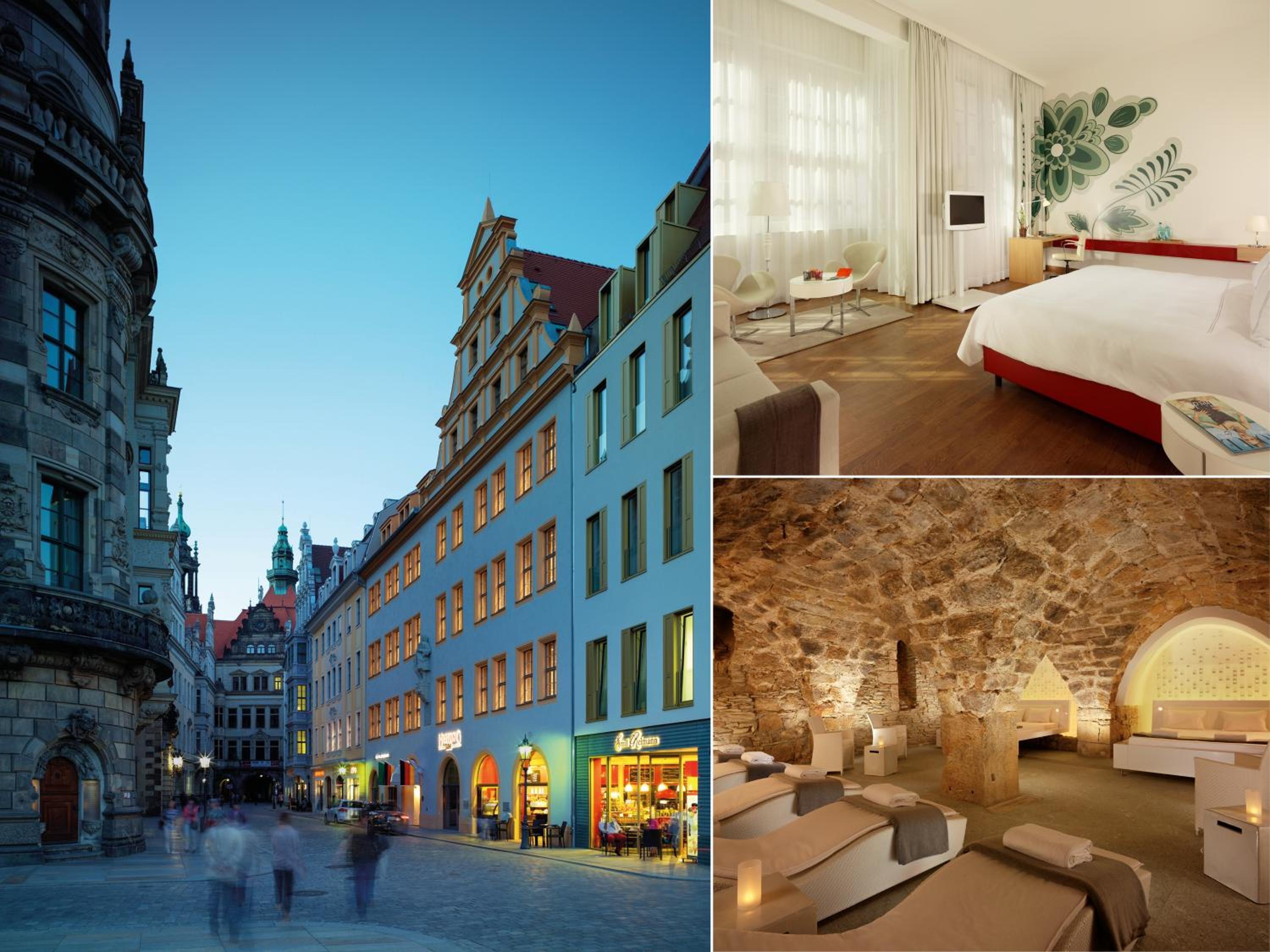
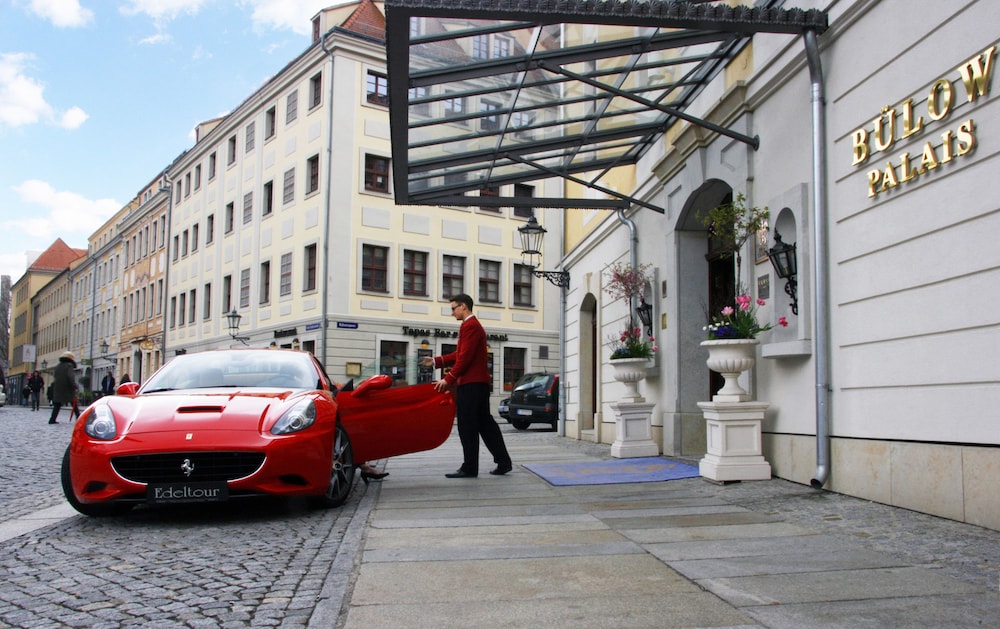
Relais & Châteaux Hotel Bülow Palais
Koenigstr. 14, Dresden, SN, 01097
113 reviews
Check availability
View Details
Book the Perfect Stay in Dresden
The “Florence on the Elbe” is famed for rebuilt baroque treasures, opera, and the Elbe waterfront.
Wide Selection
All property types
Compare stays
View available rates
Secure checkout
Powered by LiteAPI
Flexible options
Check cancellation terms by rate
Guest favorites with exceptional reviews and outstanding service
Premium 5-star hotels offering world-class amenities and unparalleled comfort
Top-rated accommodations offering excellent quality at competitive prices
Dresden is one of the most distinctive city-break destinations in Germany, combining rebuilt baroque grandeur, major art collections, riverfront views, landmark churches, palace architecture, opera, and a city atmosphere that feels both elegant and deeply cultural. Staying in Dresden is about more than booking a hotel in Saxony for a quick stop. It is about choosing the right base for the Frauenkirche, Neumarkt, the Zwinger, Semperoper, Brühl's Terrace, the Royal Palace, Neustadt, and a city that balances historic beauty with strong local character.
One of the biggest reasons to book hotels in Dresden is the range of stay styles across the city. Dresden offers polished old-town stays around Neumarkt and the Frauenkirche, elegant central options near the Zwinger and Royal Palace, practical bases near Hauptbahnhof, more local-feeling stays in Neustadt, quieter river-adjacent options in wider Dresden, and better-value hotels in outer well-connected districts. That range makes Dresden a strong choice for first-time visitors, couples, museum-focused travelers, music and culture travelers, short-break visitors, Christmas-market travelers, and anyone who wants a city with both major landmarks and strong atmosphere.
Location matters in Dresden because different parts of the city create very different kinds of stays. Some travelers want to stay close to the Frauenkirche, Neumarkt, Semperoper, and Brühl's Terrace, while others prefer the more local and restaurant-led feel of Neustadt, the practical convenience of station-linked areas, or a quieter base outside the busiest old-town core. Choosing the right area can make a major difference to walkability, evening atmosphere, and the overall rhythm of the trip.
Dresden also works very well for both short stays and longer visits. A short stay can cover the Frauenkirche, Zwinger, Semperoper, and a stretch of the Elbe-side old town, while a longer stay makes it easier to add museums, palace collections, Neustadt, slower riverside time, and seasonal experiences such as the Striezelmarkt. That blend of architecture, culture, music, and riverfront scenery is what makes Dresden such a memorable place to stay.
Choosing where to stay in Dresden can shape your whole trip. Some areas are better for first-time sightseeing, others work best for museums, old-town atmosphere, restaurants and cafés, transport convenience, or a more local neighborhood feel. The best area to stay in Dresden depends on your budget, travel style, and whether you want landmark access, baroque scenery, evening atmosphere, practical logistics, or a more neighborhood-led city break.
This is one of the best areas to stay in Dresden for first-time visitors. It offers the strongest overall sightseeing location, classic city atmosphere, and easy walking access to many of Dresden's headline landmarks. It works especially well for travelers who want the Frauenkirche, Neumarkt, Brühl's Terrace, the Royal Palace, and a central base close at hand.
This is one of the best areas to stay in Dresden for travelers who want major cultural landmarks and one of the city's most visually rewarding settings. It suits visitors who want baroque architecture, museum access, opera, and a central stay that feels closely tied to Dresden's royal and artistic identity.
This is a strong option for travelers who want a well-connected stay just across the Elbe from the main old-town sights. It works especially well for visitors who want elegant streets, good access to both sides of the river, and a central base that can feel a little calmer than the busiest parts of Altstadt.
This is one of the best areas to stay in Dresden for travelers who want a more creative and local-feeling side of the city. It suits visitors who want cafés, bars, independent shops, and a city break with stronger neighborhood energy beyond the postcard core.
This is a practical option for travelers who want strong rail access and simple arrival logistics while still staying reasonably close to Dresden's main attractions. It works well for short stays, multi-city trips, and visitors who care more about convenience and value than sleeping in the most historic part of the city.
This can be a practical choice for travelers who prioritize lower prices, parking, or simpler road access over sleeping in the historic center. It works best when the hotel still offers sensible transport into central Dresden and when expectations are set clearly about location.
Dresden combines baroque landmarks, riverfront views, opera, palace collections, church domes, museum depth, and lively neighborhood variety, which makes hotel location especially important. Staying in the right part of Dresden can save time and help you enjoy more of the city with less transport friction. Whether you are planning a culture-led city break, a Christmas-market stay, an art-focused trip, or a broader Saxony itinerary, being close to the attractions that matter most can improve the whole experience.
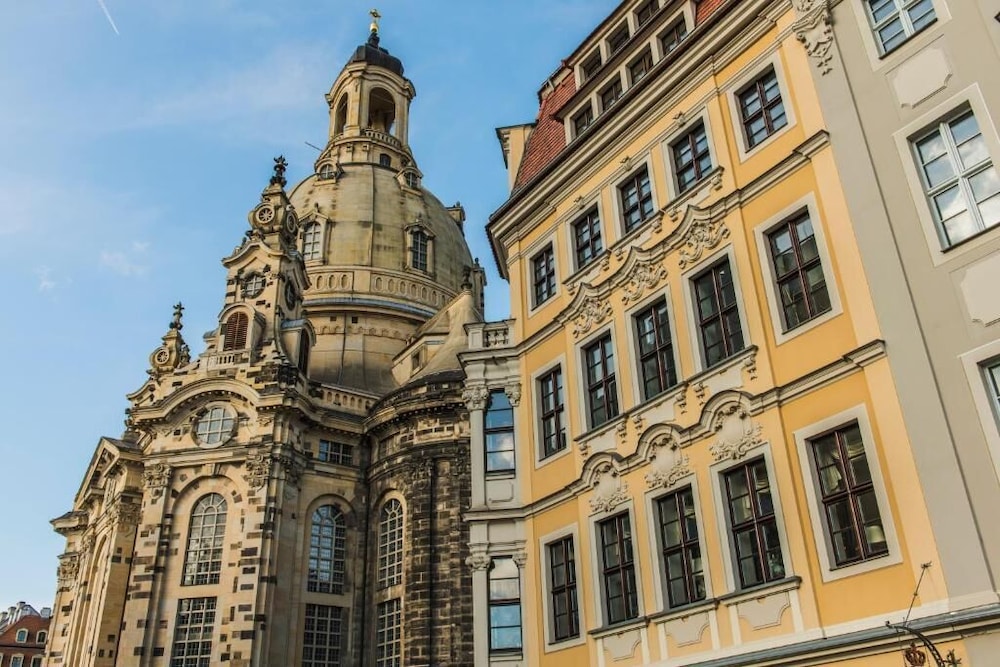
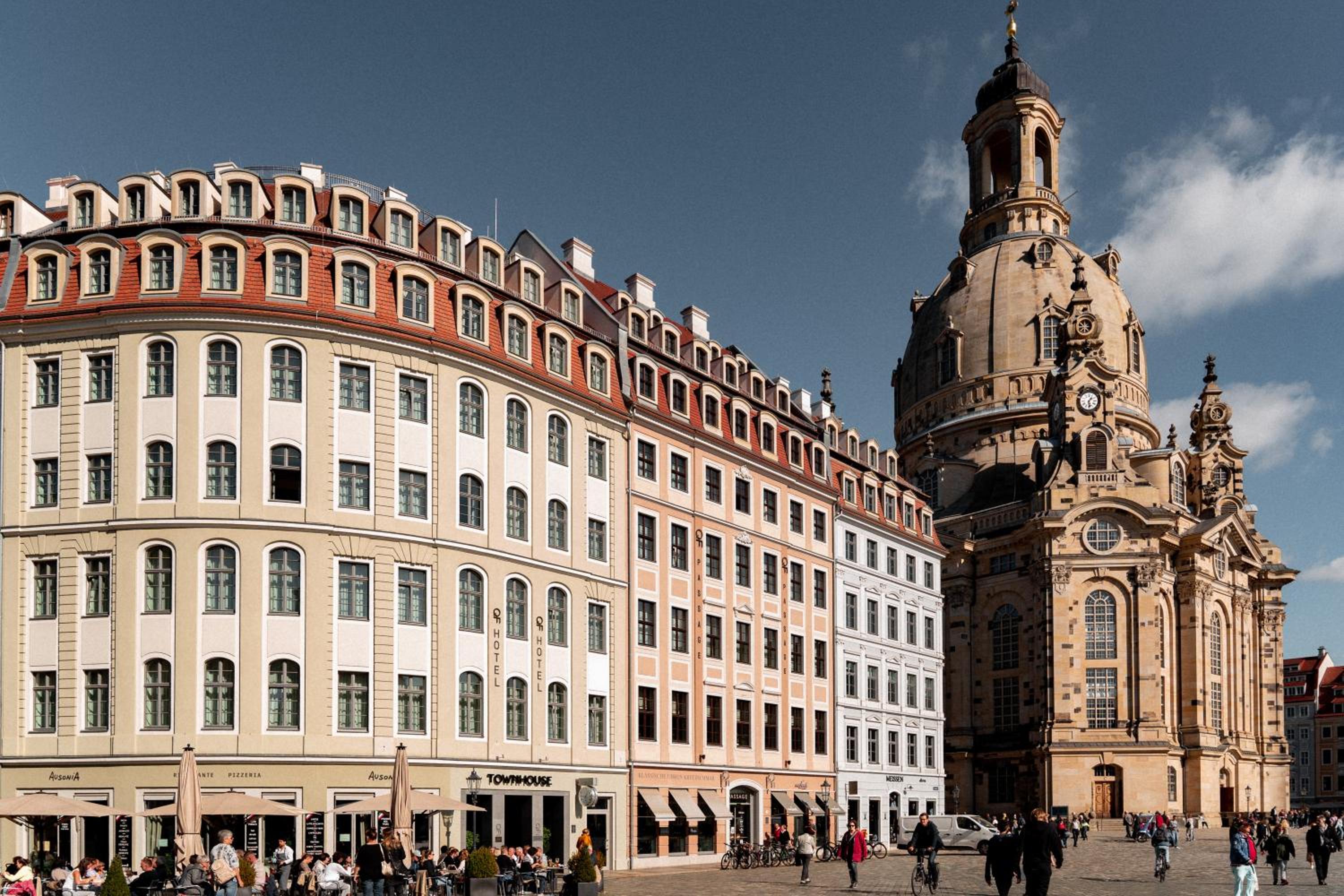
The Frauenkirche is one of Dresden's defining attractions and one of the clearest reasons many travelers choose the city. Hotels with practical access to this area work especially well for visitors who want one of Germany's most recognizable church landmarks, central atmosphere, and a memorable old-town base.
The Zwinger is one of Dresden's standout visitor attractions and one of the strongest reasons to stay centrally. Hotels nearby work especially well for travelers who want baroque architecture, museum access, and one of the city's most visually impressive cultural sites.
Semperoper adds major cultural prestige to a Dresden stay and is one of the strongest reasons to spend more time in the historic center. Hotels with good access to this area work especially well for travelers who want opera, architecture, and a stronger sense of Dresden's artistic identity.
Part of Dresden's appeal is the ease of combining architecture and culture with open river views. Staying with practical access to Brühl's Terrace works especially well for travelers who want scenic walking, old-town orientation, and one of the city's most famous viewpoints.
Dresden is not only about church domes and postcard views. Hotels with practical access to the Royal Palace and surrounding collections work especially well for travelers who want treasure rooms, historic interiors, and a deeper museum-led itinerary in the city center.
Dresden also rewards travelers who want more than the formal old town alone. Hotels with practical access to Neustadt work especially well for visitors who want cafés, bars, local energy, and a broader feel for the city beyond the baroque core.
Dresden becomes especially atmospheric during the Christmas season. Hotels with good access to the central old-town side work especially well for travelers who want the Striezelmarkt, seasonal lights, festive walking routes, and one of Germany's most famous winter city-break settings.
Dresden is a year-round destination, but the best time to visit depends on the kind of trip you want. Some travelers come mainly for architecture, museums, and opera, while others focus on riverfront walking, café time, Christmas markets, open-air events, or a quieter lower-season stay. Each part of the year gives Dresden a slightly different feel.
This is one of the best times to visit Dresden. Spring usually brings strong overall conditions for city walking, museum visits, riverside time, and a broad sightseeing itinerary across the old town and nearby districts.
This period can also work very well for Dresden, especially for travelers who want longer days, stronger riverfront atmosphere, and more time outdoors between the city's main cultural sights. It works best for visitors who want to combine architecture and museums with a more relaxed summer rhythm.
This is another strong time to visit Dresden. It works especially well for travelers who want cooler walking weather, major sights without peak-summer intensity, and a more balanced city-break feel.
This can be one of the most atmospheric times to visit Dresden for travelers who enjoy festive city breaks. It works especially well for the Striezelmarkt, Christmas lights, old-town atmosphere, and seasonal food-and-drink experiences.
This part of the year can still be rewarding in Dresden. It suits travelers who want museums, music, architecture, and a more atmospheric lower-season city break, even though days are shorter and outdoor time becomes less central.
Dresden can work throughout the year, but the best time to visit depends on whether you want the most comfortable walking weather, stronger riverfront season, or festive winter atmosphere. Spring and early autumn are often the strongest overall periods for many travelers, while the Christmas season is especially appealing for visitors who want one of Germany's most famous holiday-city experiences.
Discover hotels in other popular cities around the world