10.0
5
KPM Hotel & Residences Berlin, a Member of Design Hotels
Englische Str. 6
2,728 reviews
Check availability
View Details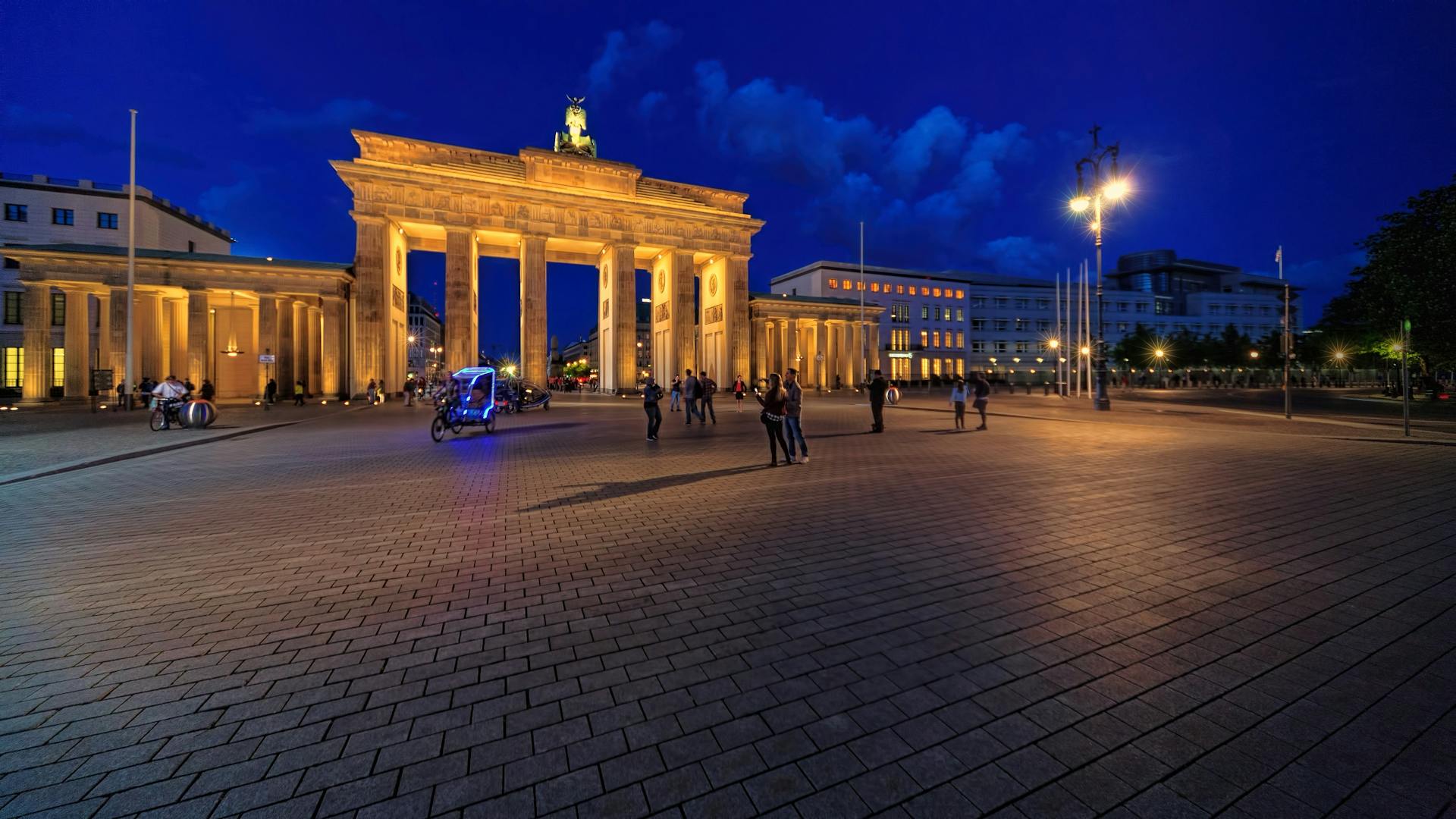
Book the Perfect Stay in Berlin
Germany's creative capital, Berlin is known for its art scene, museums, neighbourhood diversity, and historic significance.
Wide Selection
All property types
Compare stays
View available rates
Secure checkout
Powered by LiteAPI
Flexible options
Check cancellation terms by rate
Guest favorites with exceptional reviews and outstanding service
Premium 5-star hotels offering world-class amenities and unparalleled comfort
Top-rated accommodations offering excellent quality at competitive prices
Berlin is one of Europe’s most rewarding city-break destinations, combining world-history landmarks, powerful museum culture, neighborhood diversity, major museums, modern architecture, and a hotel scene that ranges from polished luxury stays to practical city-base accommodation. Staying in Berlin is about more than booking a room near one famous gate. It is about choosing the right base for Mitte, Museum Island, Potsdamer Platz, City West, Friedrichshain-Kreuzberg, Prenzlauer Berg, Neukölln, and a city that feels more like several destinations in one.
One of the biggest reasons to book hotels in Berlin is the sheer range of stay styles across the city. Berlin offers landmark luxury hotels near Unter den Linden, design-forward boutique hotels in creative districts, practical business hotels around major transport hubs, design-led stays near Kreuzberg and Friedrichshain, polished City West hotels, family-friendly central stays, and value-focused accommodation across a wide spread of neighborhoods. That range makes Berlin a strong choice for couples, first-time visitors, history lovers, food travelers, museum visitors, short-break travelers, business travelers, and anyone who wants a destination with both depth and freedom.
Location matters in Berlin because different parts of the city create very different kinds of stays. Some travelers want to stay in Mitte for direct access to the capital’s best-known sights, while others prefer the cultural density around Museum Island, the polished convenience of Potsdamer Platz, the shopping and classic-hotel appeal of City West, or the restaurant-and-café energy of Friedrichshain-Kreuzberg and Neukölln. Choosing the right area can make a major difference to travel time, atmosphere, walkability, and the overall rhythm of the trip.
Berlin also works especially well for both short city breaks and longer Germany itineraries. A shorter stay can focus on Brandenburg Gate, Museum Island, Reichstag, and a few standout neighborhoods, while a longer stay makes it easier to add East Side Gallery, the TV Tower, memorial sites, lakeside or park-side detours, and slower time between museums, restaurants, and cafés. That balance of history, culture, and neighborhood variety is what makes Berlin such a rewarding place to stay.
Choosing where to stay in Berlin can shape your whole trip. Some areas are better for classic sightseeing, others work best for museums, restaurants, shopping, architecture, or a more local-feeling stay. The best place to stay in Berlin depends on your budget, travel style, and whether you want walkability, landmark access, transport convenience, or a more district-based experience.
This is one of the best areas to stay in Berlin for first-time visitors who want direct access to the city’s most famous sights. It works especially well for travelers who want Brandenburg Gate, Unter den Linden, central museums, and a classic Berlin capital-city base.
This is a strong option for travelers who want one of the richest cultural areas in the city. It works especially well for visitors who want major museums, historic streets, galleries, and a stay that feels closely tied to Berlin’s museum and heritage core.
This is one of the best areas to stay in Berlin for travelers who want modern convenience and strong transport access. It suits visitors who want polished hotels, business-friendly comfort, and easy movement between major sightseeing areas.
This area works especially well for travelers who want shopping, classic grand-hotel atmosphere, and a slightly more polished Berlin experience. It suits visitors who want boulevard culture, restaurants, and a strong alternative to Mitte.
This is a strong choice for travelers who want creative energy, restaurants, cafés, and a more alternative side of Berlin. It works especially well for visitors who want East Side Gallery access, street art, and a stay shaped by Berlin’s contemporary identity.
This is one of the best areas to stay in Berlin for travelers who want a calmer and more neighborhood-led city break. It works especially well for visitors who want cafés, local boutiques, attractive streets, and a more residential but still highly connected feel.
This area can work well for travelers who want one of Berlin’s liveliest food-and-restaurant districts with a more local-feeling edge. It suits visitors who want restaurants, bars, and a less formal version of the city break experience.
This is a good option for travelers who care most about value, flexibility, and a useful city base rather than a premium landmark address. It works especially well for short stays, repeat visitors, and travelers who plan to move around Berlin mainly by U-Bahn, S-Bahn, tram, or taxi.
Berlin combines world-famous landmarks, memorial sites, museum quarters, restaurant districts, modern architecture, and one of Europe’s most layered urban identities, which makes hotel location especially important. Staying in the right part of Berlin can save time and help you enjoy more of the city with less hassle. Whether you are planning a first-time city break, a history-focused weekend, or a broader Germany itinerary, being close to the attractions that matter most can improve the whole experience.
This is one of the clearest reasons many travelers choose Berlin. Hotels with practical access to the government-and-historic-centre side work especially well for visitors who want two of the capital’s defining landmarks and one of the strongest first-time sightseeing bases in the city.
Berlin is not only about politics and 20th-century history. Hotels with practical access to Museum Island work especially well for travelers who want one of Europe’s great museum ensembles and one of Berlin’s most important cultural anchors.
Part of Berlin’s appeal is the ease of combining historic layers with major modern-city landmarks. Staying in a well-chosen central area works especially well for travelers who want skyline views, transport access, and one of Berlin’s most recognizable urban symbols.
Berlin also rewards travelers who want more than one type of landmark. Hotels with useful access to Friedrichshain-Kreuzberg work especially well for visitors who want a stronger connection to the city’s divided past and one of its most visually memorable open-air attractions.
A well-placed stay can also make it easier to experience Berlin’s post-reunification cityscape. This works especially well for travelers who want architecture, transport convenience, and a more contemporary side of the capital.
The city’s appeal also includes a broader western centre with shopping, classic hotels, and major city life beyond Mitte. Staying on the right side of Berlin can make it easier to understand the capital as more than one historic core.
Berlin is also about food halls, bars, markets, green spaces, local shops, and the slower but lively rhythm that makes the city feel more layered than a checklist-only destination. Staying in the right base makes it easier to combine headline attractions with the broader atmosphere that makes Berlin memorable.
Berlin is a year-round destination, but the best time to visit depends strongly on the kind of trip you want. Some travelers come mainly for walking and classic sightseeing, while others focus on festivals, museums, restaurants, Christmas markets, or a quieter lower-pressure city break. Each part of the year gives Berlin a slightly different feel.
This is one of the best times to visit Berlin. These months usually bring strong overall conditions for city walking, park time, outdoor cafés, and classic sightseeing before the busiest summer period.
This is one of the strongest periods for classic Berlin travel. It works especially well for travelers who want long daylight hours, the fullest city atmosphere, and a lively summer short break.
This is another strong time to visit Berlin for travelers who want comfortable sightseeing weather and a slightly calmer atmosphere than high summer. It works especially well for visitors who want museums, food, architecture, and broad district exploration with a little more breathing room.
This is one of the most atmospheric times to visit Berlin. It works especially well for travelers who want Christmas markets, winter lights, seasonal food, and a more festive version of the city’s identity.
Berlin can still be rewarding during the colder and quieter part of the year, especially for travelers who want museums, cafés, history, architecture, and a slower-paced urban break. It works best for visitors who are comfortable with cooler weather and want a more culture-led stay rather than a peak-season trip.
Berlin can work throughout the year, but the best time to visit depends on whether you want the strongest walking-and-city season, a lively summer visit, an atmospheric festive stay, or a quieter winter break. For many travelers, late spring and early autumn are the strongest overall periods, while winter can still work very well for museums, food, and lower-pressure exploring.
Discover hotels in other popular cities around the world