10.0
—

Book the Perfect Stay in Sintra
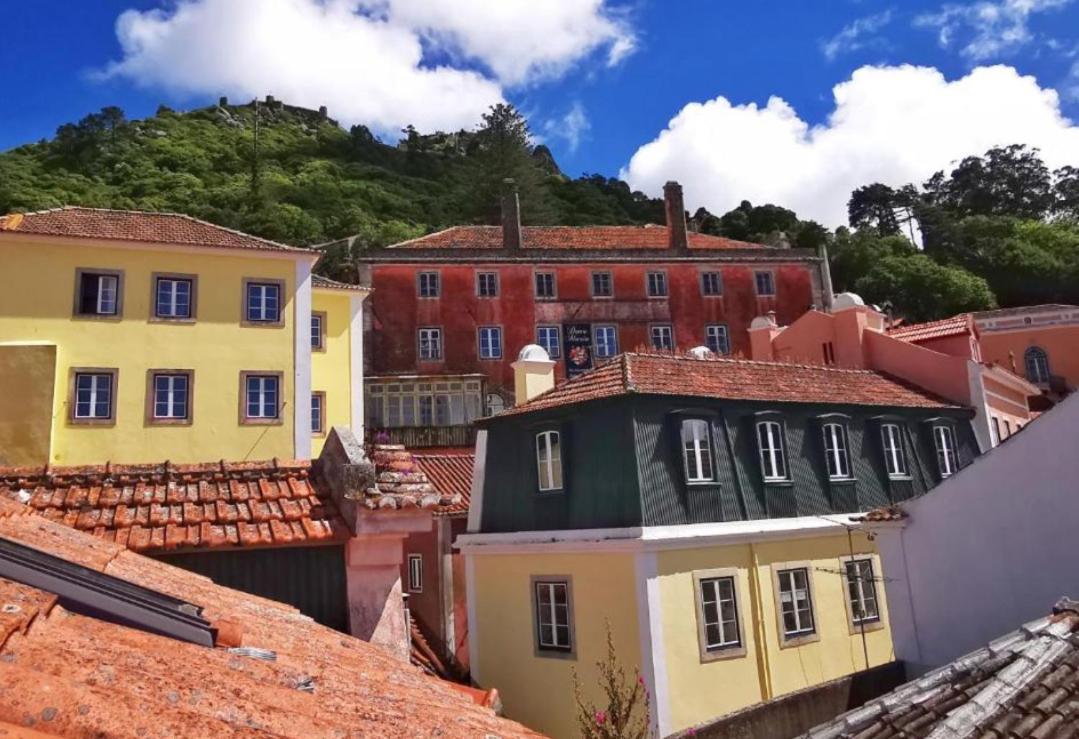
Sintra is a UNESCO hill town of palaces, misty forests, and romantic architecture within easy reach of Lisbon.
Wide Selection
All property types
Compare stays
View available rates
Secure checkout
Powered by LiteAPI
Flexible options
Check cancellation terms by rate
Guest favorites with exceptional reviews and outstanding service
Premium 5-star hotels offering world-class amenities and unparalleled comfort
Top-rated accommodations offering excellent quality at competitive prices
Sintra is one of the most distinctive heritage destinations in Portugal, combining romantic palaces, forested hills, dramatic viewpoints, historic mansions, and a town atmosphere that feels more atmospheric and layered than a typical day-trip destination. Staying in Sintra is about more than booking a hotel near Lisbon for a quick visit. It is about choosing the right base for the historic centre, Pena Palace, Quinta da Regaleira, the Moorish Castle, the National Palace of Sintra, and a destination that balances monumental heritage with a compact but complex town structure unusually well.
One of the biggest reasons to book hotels in Sintra is the range of stay styles across the town and surrounding slopes. Sintra offers charming guesthouses in and around the historic centre, romantic boutique hotels in period buildings, palace-adjacent luxury stays, practical station-side options, apartment-style accommodation in broader residential areas, and more secluded outer properties for travelers who prioritize quiet, views, or driving convenience. That range makes Sintra a strong choice for first-time visitors, couples, culture-focused travelers, photography-led travelers, shoulder-season visitors, and anyone who wants a heritage destination with more depth than a simple sightseeing stop.
Location matters in Sintra because different parts of the destination create very different kinds of stays. Some travelers want to stay close to the historic centre, restaurants, and the National Palace side, while others prefer a quieter road on the hill approaches, a more secluded garden setting, or a practical location near the station for easier transport. Choosing the right area can make a major difference to walkability, crowd levels, atmosphere, and how easily you move between Sintra's main attractions.
Sintra also works very well for both short stays and longer visits. A short stay can cover the historic centre, Quinta da Regaleira, and one signature palace, while a longer stay makes it easier to add Pena Palace, the Moorish Castle, Monserrate, slower café time, and a stronger feel for the wooded and romantic character of the destination. That blend of architecture, landscape, and layered historic atmosphere is what makes Sintra such a memorable place to stay.
Choosing where to stay in Sintra can shape your whole trip. Some areas are better for first-time sightseeing, others work best for palace access, practical transport, quieter surroundings, or a more romantic atmosphere. The best area to stay in Sintra depends on your budget, travel style, and whether you want historic-centre convenience, scenery, or a more practical base.
This is one of the best areas to stay in Sintra for first-time visitors. It offers the strongest overall atmosphere, easy access to restaurants and small streets, and the most immediate connection to the town's best-known historic core. It works especially well for travelers who want walkability, heritage character, and a strong sense of place. This area is especially appealing for travelers who want to experience Sintra beyond a day trip. Staying here makes it easier to enjoy the town earlier and later in the day, when the centre feels more atmospheric and less tour-bus driven. It is best for visitors who prioritize charm and access over parking simplicity.
This is one of the best areas to stay in Sintra for travelers who want strong access to one of the town's most atmospheric monuments while still remaining close to the centre. It suits visitors who want wooded surroundings, a slightly more romantic feel, and easier movement between historic streets and estate-like attractions. This side of Sintra works well for travelers who want the destination's romantic landscape character to shape the stay itself. It feels slightly more removed from the busiest centre, while still remaining practical. It is especially good for couples and slower-paced visits.
This is a strong option for travelers who want practical arrival logistics and simpler transport connections. It works especially well for visitors arriving by train, travelers with shorter stays, or those who want a more straightforward base without depending on taxis as much. This area is less atmospheric than the tight historic centre, but it can be more practical and often better value. It is useful for visitors who want efficient access rather than the most romantic setting. It should be framed as functional and convenient, not as the prettiest part of Sintra.
This is one of the best choices in Sintra for travelers who want stronger scenic positioning and a stay that feels closer to the monument landscape. It works especially well for visitors who care about views, hillside atmosphere, and a more immersive Sintra setting. This side of the destination is especially appealing for travelers who want a quieter or more elevated experience. It can feel more dramatic and more secluded than the centre, but it also tends to be less straightforward for walking-based itineraries. It is best for travelers who understand the tradeoff between atmosphere and practicality.
These areas can work very well for travelers who want gardens, quiet, driving convenience, or a more retreat-like stay. They are best when the accommodation still fits the itinerary and when expectations are clearly set about distance from the centre. Outer Sintra can be highly attractive, but it offers a different experience from staying close to the central monument cluster. These areas often work best for longer stays, self-driving trips, or travelers who care more about calm and setting than immediate walkability. They should not be framed as direct substitutes for the historic centre.
These areas can work for travelers who prioritize parking, road access, or lower prices. They are best when the accommodation still fits the trip and when expectations are clearly set about distance from the historic core and major attractions. These stays are often useful for practical travelers, but they should be described honestly. They are not automatically romantic or central. They are value and logistics choices rather than classic Sintra atmosphere picks.
Sintra combines romantic palaces, wooded hills, dramatic viewpoints, historic streets, and one of Portugal's most distinctive monument landscapes, which makes hotel location especially important. Staying in the right part of Sintra can save time and help travelers enjoy more of the destination with less transport friction.
Pena Palace is one of Sintra's defining attractions and one of the clearest reasons many travelers choose the town. Hotels with practical access to this area work especially well for visitors who want one of Portugal's most recognizable palaces and a strong sense of Sintra's romantic identity. This attraction gives Sintra much of its international image and is one of the main reasons the town feels different from other heritage destinations in Portugal. It is especially important for travelers who care about architecture, hilltop views, and landmark-driven sightseeing. Staying within practical reach of this side of Sintra can shape the whole experience.
Quinta da Regaleira is one of Sintra's strongest visitor anchors and one of the clearest reasons to stay more than a single quick night. Hotels with practical access to this area work especially well for travelers who want gardens, symbolism, dramatic architecture, and one of the town's most atmospheric sites. This attraction deepens the Sintra experience because it feels more layered and immersive than a standard monument stop. It is especially useful for travelers who want landscape, mystery, and slower exploration rather than a quick checklist visit. A stay nearby helps the destination feel richer and more memorable.
The historic centre is one of Sintra's most rewarding areas and one of the strongest reasons to stay centrally. Hotels nearby work especially well for travelers who want old streets, cafés, the National Palace side, and a stay that feels closely tied to the town's historic identity. This part of Sintra helps connect the major monuments with everyday town life. It gives visitors a better sense of Sintra as a place to stay rather than simply a sightseeing stop. A central base here is often the easiest choice for first-time visitors.
The Moorish Castle adds major historic and scenic depth to a Sintra stay and is one of the strongest reasons to think carefully about access and pacing. Hotels with practical access to this side work especially well for travelers who want panoramic views, fortification history, and a broader understanding of Sintra's hilltop setting. This site matters because it gives Sintra a more rugged and strategic dimension alongside the romantic palace imagery. It works especially well for travelers who want strong views and a sense of terrain, not just decorative architecture. It helps widen the destination beyond palace interiors.
Sintra is not only about Pena and Regaleira. Hotels with practical access to Monserrate work especially well for travelers who want a broader and quieter view of Sintra's estate culture and one of the destination's most elegant monument settings. This attraction is especially useful for travelers who want to move beyond the most crowded headline sites. It adds sophistication and depth to a Sintra itinerary, and it can make a longer stay feel more varied. It should be treated as part of the destination's richness, not as a footnote.
Sintra also rewards travelers who want more than a checklist of monuments. Hotels with practical access to the broader centre work especially well for visitors who want cafés, local streets, small squares, and a fuller sense of the town's everyday rhythm. This matters because Sintra works best when visitors experience both its famous monuments and the texture of the town itself. A well-placed hotel can make the destination feel connected rather than fragmented between ticketed attractions. The broader centre ties the whole experience together.
Sintra is a year-round destination, but the best time to visit depends on the kind of trip you want. Some travelers come mainly for monuments and walking, while others focus on gardens, atmospheric weather, or a quieter shoulder-season stay.
This is one of the best times to visit Sintra. Spring usually brings comfortable walking weather, strong sightseeing conditions, and a very good balance between greenery, atmosphere, and manageable crowd levels. This period works especially well for travelers who want Sintra to feel visually lush and rewarding without the heaviest summer pressure. It is one of the strongest seasons for palace visits, garden exploration, and slower urban walking. For many visitors, this is one of the best overall times to experience the destination properly.
Summer can work very well in Sintra, especially for travelers who want longer days and a full sightseeing itinerary. It works best for visitors who are comfortable with busier conditions and higher demand around the major monuments. This season is strongest for travelers who prioritize seeing the landmark sites in a single trip and who do not mind heavier tourist traffic. It is less ideal for travelers who want a calm or intimate version of Sintra. The destination can still work well, but expectations about crowds should be realistic.
This is one of the best overall periods to visit Sintra. Early autumn usually brings pleasant conditions, a slightly slower rhythm, and a strong mix of walking, heritage, and slower local exploring. This season is especially useful for travelers who want the destination's atmosphere without the fullest summer intensity. It often feels more relaxed while still delivering the core Sintra experience. For many travelers, it is one of the easiest times to combine landmarks with a more enjoyable pace.
This is the quieter season and can still be very rewarding in Sintra. It suits travelers who want misty landscapes, historic atmosphere, cafés, and a calmer heritage break, even though weather can be cooler and more variable. This season works particularly well for travelers who like mood and atmosphere as much as bright-weather sightseeing. Sintra can feel especially characterful in cooler months, and this is part of its appeal. It is a good choice for travelers who value ambience over peak-season energy.
Sintra works especially well in spring and autumn for most travelers, while summer suits visitors who want long days and a full monument schedule, and winter can work well for a quieter, more atmospheric heritage stay.
Discover hotels in other popular cities around the world