10.0
2
Book hotels in Tokyo for first-time visits, shopping, food, restaurants, cafés, temples, family trips, business travel, and easy rail access near Shinjuku, Shibuya, Ginza, Tokyo Station, Asakusa, and Ueno.
Tokyo is one of the world’s most rewarding city stays, with neighbourhoods that feel completely different from one another. Hotels in Tokyo range from luxury towers in Ginza and Marunouchi to stylish Shibuya stays, practical Shinjuku hotels, family-friendly Ueno accommodation, traditional Asakusa bases, business hotels near Tokyo Station, and budget-friendly stays close to useful rail and metro lines.
Station-first stays
Shinjuku, Tokyo & Shibuya links
District choice
Shibuya crossings to Ginza towers
Culture & parks
Asakusa, Ueno & museum days
Narita & Haneda access
Rail transfers & business districts
Guest favorites with exceptional reviews and outstanding service
Premium 5-star hotels offering world-class amenities and unparalleled comfort
Top-rated accommodations offering excellent quality at competitive prices
Hotels in Tokyo work best when the location matches the way you plan to move through the city. Tokyo is huge, efficient, neighbourhood-driven, and very rail-dependent. A stay in Shinjuku feels completely different from a stay in Shibuya, Ginza, Tokyo Station, Asakusa, Ueno, Akihabara, Roppongi, Ikebukuro, Shinagawa, or Odaiba.
For many first-time visitors, the easiest areas to compare are Shinjuku, Shibuya, Ginza, Tokyo Station, Asakusa, and Ueno. These areas give different versions of Tokyo: big-city transport, shopping, food, temples, museums, family-friendly parks, business access, luxury hotels, and better-value stays.
Tokyo rewards travellers who choose around train lines rather than only famous attractions. A hotel close to a useful station can save time every day, especially if you plan to visit several districts during one trip. Room size, luggage space, station exits, airport access, and late-evening travel can all affect the stay more than expected.
Business travellers may prefer Tokyo Station, Marunouchi, Nihonbashi, Shinbashi, Shiodome, Akasaka, Roppongi, or Shinagawa depending on meetings. Families may prefer Ueno, Asakusa, Tokyo Station, Odaiba, or quieter parts of Shinjuku. Shopping-focused travellers may prefer Shibuya, Ginza, Shinjuku, Harajuku, Omotesando, or Ikebukuro.
The best Tokyo hotel is not simply the one closest to a famous crossing or landmark. It is the hotel that gives you the right balance of rail access, comfort, neighbourhood character, dining, room practicality, airport convenience, sightseeing, and the kind of Tokyo stay you actually want.
Shinjuku is one of the best areas to stay in Tokyo for first-time visitors who want major rail links, restaurants, shopping, entertainment, department stores, and big-city energy close by.
Stay here if you want Tokyo to feel convenient and lively from the moment you arrive. Shinjuku Station connects to many parts of the city, and the area gives you access to Shinjuku Gyoen, observation decks, food streets, shopping, and easy day-trip routes.
The trade-off is that Shinjuku can feel busy and overwhelming around the main station, especially at evening rush hour. Choose a quieter pocket west or south of the station if you want easier sleep and calmer hotel access.
Shibuya is one of the best areas to stay in Tokyo if shopping, style, youth culture, cafés, and modern city energy matter more than a traditional neighbourhood feel.
Stay here if you want easy access to Harajuku, Omotesando, Daikanyama, Ebisu, and central restaurants and cafés. It works well for couples, solo travellers, repeat visitors, and anyone who wants Tokyo’s famous crossing and shopping streets close by.
The area can feel lively late into the evening, so check the exact hotel location if quiet nights are important.
Ginza suits travellers who want luxury shopping, refined dining, theatres, department stores, and a polished city base.
Stay here if you want a calmer, more elegant Tokyo stay than Shinjuku or Shibuya. It works well for couples, business travellers, luxury stays, and visitors who want strong transport links without relying on the busiest entertainment districts.
Ginza is less budget-focused than Ueno or Asakusa, but it can make evenings and shopping very easy.
Tokyo Station and Marunouchi are among the best areas for business travel, luxury hotels, Shinkansen access, short stays, and airport-linked transfers.
Stay here if transport timing matters more than evening dining. This area works well for early train departures, airport connections, meetings, and travellers planning side trips by Shinkansen.
The trade-off is that Marunouchi can feel quieter at night than Shinjuku or Shibuya, so check nearby dining options before booking.
Asakusa is a strong choice for travellers who want temples, traditional streets, riverside walks, and a more cultural first-time Tokyo base.
Stay here if Senso-ji, old shopping streets, street snacks, and views toward Tokyo Skytree are important to your trip. It can work well for families, culture-focused visitors, and travellers who want better value while staying connected by train and metro.
Asakusa is less central for modern shopping than Shibuya or Ginza, but it offers a different side of Tokyo.
Ueno is practical for travellers who want museums, parks, family-friendly stays, rail access, and a useful sightseeing base in northern central Tokyo.
Stay here if Ueno Park, Ameyoko, museums, and easy links to Asakusa, Akihabara, and Tokyo Station matter. It can suit families, museum-focused trips, and visitors who want a less polished but very useful neighbourhood.
Ueno can feel busy around the station, but it often offers better value than Ginza or Marunouchi.
Akihabara and nearby Kanda suit travellers interested in anime, electronics, arcades, hobby shops, and strong rail connections.
Stay here if Akihabara is a major part of your trip, or if you want a practical central base with useful train links and often better value than the most famous tourist districts.
Kanda can feel more business-like and less tourist-heavy than Akihabara itself.
Roppongi and Akasaka are useful for travellers who want restaurants, art museums, international hotels, embassies, and evening dining without staying in the busiest crossing districts.
Stay here if Tokyo Midtown, National Art Center, business access, or a more international hotel scene matter. It can work well for couples, business travellers, and visitors who want dining and museums nearby.
These areas can feel active in the evening, so choose carefully if you want a quieter base.
Ikebukuro is a practical rail-friendly area for travellers who want shopping, restaurants, anime-related stops, and often better-value hotels than central Shibuya or Ginza.
Stay here if you want strong train links and a lively local district without paying for the most premium addresses. It can suit budget-conscious travellers, families, and visitors who plan to move around the city by rail.
Ikebukuro is less iconic for first-time sightseeing than Shinjuku or Asakusa, but it can be a smart base.
Shinagawa is useful for travellers who need Shinkansen links, airport-route access, business hotels, or a base toward southern Tokyo and day trips.
Stay here if meeting locations, early departures, or onward travel matter more than classic sightseeing atmosphere. It can work for business trips, short stopovers, and travellers connecting through Tokyo.
For a first-time leisure stay focused on neighbourhoods and food, Shinjuku, Shibuya, or Asakusa may feel more rewarding.
Odaiba and Tokyo Bay suit travellers who want waterfront views, family attractions, event venues, and modern hotel stays away from the densest central districts.
Stay here if teamLab, bayside attractions, conventions, or a slower modern Tokyo base matter. It can work for families, event visitors, and travellers who prefer spacious modern hotels.
The trade-off is longer travel times to classic neighbourhoods such as Asakusa, Ginza, and Shibuya, so plan transfers carefully.
Shibuya Crossing is one of Tokyo’s most recognisable city sights, and nearby observation decks add strong skyline views.
If this area is central to your trip, stay in Shibuya, Harajuku, or Omotesando. Do not assume every central Tokyo hotel makes the crossing easy to reach on foot.
Senso-ji and Asakusa offer one of Tokyo’s strongest traditional experiences, with temple streets, snacks, riverside walks, and views toward Tokyo Skytree.
If this side of Tokyo matters, Asakusa or nearby Ueno are the most practical bases.
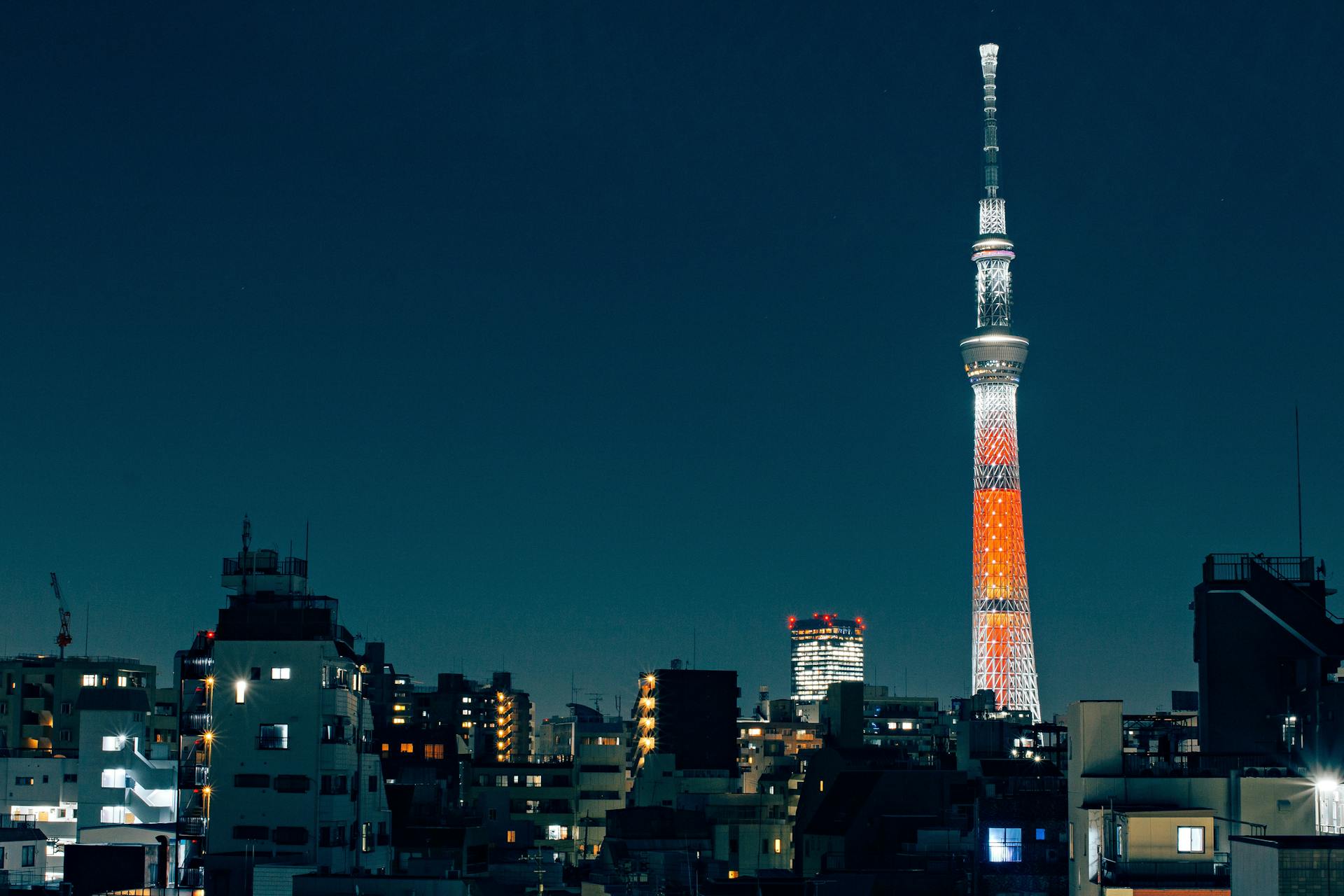
Tokyo Skytree is a major landmark for views, shopping, and eastern Tokyo sightseeing.
If Skytree is high on your list, compare Asakusa, Oshiage-side hotels, or central areas with easy metro access rather than choosing a hotel only for the name.
Tokyo Tower and Roppongi Hills suit travellers who want classic skyline views, observation decks, shopping, and modern city scenery.
Roppongi, Akasaka, Shinbashi, and central areas can all work depending on your wider plans.
Meiji Shrine and Harajuku combine green space, shrine visits, fashion streets, and cafés in one of Tokyo’s most popular visitor zones.
Shibuya, Harajuku, and Omotesando are the most practical bases if this area is a priority.
The Imperial Palace area and Marunouchi suit travellers who want central Tokyo history, business districts, polished streets, and strong station access.
Tokyo Station, Ginza, and Nihonbashi-side hotels are practical if this part of the city matters.
Ueno Park and its museums are among Tokyo’s best family and culture anchors, with parks, galleries, and useful rail links nearby.
Ueno, Asakusa, and Akihabara-side hotels can make museum days easier.
Akihabara is ideal for anime, manga, electronics, arcades, and hobby-focused trips.
Stay nearby if this is a major reason for your visit. Kanda and Ueno can also work with short train rides.
Tsukiji Outer Market and nearby Ginza food streets are useful for travellers who want seafood, snacks, restaurants, and central dining access.
Ginza, Shinbashi, Tokyo Station, and Tsukiji-side hotels can reduce transfer time for food-focused mornings.
teamLab and other modern art experiences often require planned transport because they are not always in the most central hotel districts.
Choose a hotel with easy rail access and allow extra time. Toyosu, Odaiba, and central Tokyo can all work depending on the venue and your route.
Haneda and Narita are both used for Tokyo trips, and airport timing can shape hotel choice more than many travellers expect.
Shinagawa, Tokyo Station, Hamamatsucho-side areas, and central rail hubs can work for Haneda. Narita often needs longer transfers, so allow extra time regardless of hotel district.
Tokyo Disney Resort sits in the Maihama area, while Hakone, Kamakura, Nikko, and Mount Fuji routes are common day trips from Tokyo.
If day trips matter, choose a hotel with strong rail access and compare travel time carefully before booking only for one attraction.
March to May is one of the most popular periods to visit Tokyo, especially around cherry blossom season, parks, comfortable walking weather, and spring city breaks.
Book early if you want well-located hotels in Tokyo during sakura periods, Golden Week, spring weekends, and peak Japan travel dates. Shinjuku, Shibuya, Ginza, Asakusa, and station-side hotels can become limited quickly.
This season suits first-time visitors, couples, families, food-focused trips, and travellers who want the easiest sightseeing conditions.
June to August brings festivals, long days, lively evenings, and summer energy, though heat and humidity can make long walking days harder.
If you visit during this period, choose a hotel with good rail access, nearby food, and comfortable indoor spaces. Air-conditioned comfort and easy transport matter more than in spring or autumn.
This season can suit festival-focused trips, repeat visitors, and travellers who do not mind adjusting plans around heat or rain.
September to November is often excellent for Tokyo walking, food, parks, museums, shopping, and autumn colour in nearby green spaces.
Book early for autumn weekends, public holidays, and popular city-break dates. Central hotels, boutique stays, and rail-friendly properties in Shinjuku, Shibuya, Ginza, and Asakusa can rise in demand.
This season suits first-time visitors, couples, culture-focused travellers, and slower neighbourhood exploring.
December to February can be crisp and clear, with illuminations, shopping, food-focused trips, and often easier museum and indoor sightseeing.
Choose accommodation carefully in winter if you plan early starts, late evenings, or airport transfers. A rail-friendly base often matters more than being close to one landmark.
This season suits city-break travellers, shoppers, food-focused visitors, and trips built around museums and neighbourhoods.
Tokyo is easier when your hotel matches your real itinerary. A traveller focused on Shibuya and Harajuku needs a different base from someone arriving at Narita, attending meetings in Marunouchi, visiting Asakusa, or planning Disney and day-trip routes.
For the best balance, compare Shinjuku, Shibuya, Ginza, Tokyo Station, Asakusa, Ueno, Akihabara, Roppongi, Ikebukuro, Shinagawa, and Odaiba before booking.
A slightly less obvious area may give you better value, quieter nights, easier luggage handling, or faster access to the places that matter most.
Discover hotels in other popular cities around the world