10.0
4
Book hotels in Kyoto for temples, gardens, traditional streets, food markets, cultural districts, family trips, romantic stays, and easy transport near Gion, Higashiyama, Kyoto Station, Kawaramachi, and Arashiyama.
Kyoto is one of Japan’s most rewarding places to stay, with temples, shrines, gardens, traditional streets, riverside walks, food markets, craft culture, and neighbourhoods that feel very different from Tokyo or Osaka. Hotels in Kyoto range from luxury stays near Gion and Higashiyama to practical Kyoto Station hotels, boutique ryokan-style properties, family-friendly accommodation, and budget stays with strong train or bus access.
Gion & temple lanes
Higashiyama & sight lines
Kyoto Station access
Kansai, Shinkansen & day trips
Nishiki & Kawaramachi
Markets & downtown convenience
Arashiyama & Fushimi
Bamboo, river & shrine routes
Guest favorites with exceptional reviews and outstanding service
Premium 5-star hotels offering world-class amenities and unparalleled comfort
Top-rated accommodations offering excellent quality at competitive prices
Kyoto rewards travellers who choose their hotel area carefully. The city is known for historic temples, shrine paths, traditional streets, gardens, seasonal scenery, food markets, tea culture, craft shops, riverside walks, and calm neighbourhoods with strong local character. A well-located hotel can make your trip easier because Kyoto’s main sights are spread across several districts.
The best place to stay depends on your itinerary. Choose Gion or Higashiyama if you want traditional streets, temples, evening atmosphere, and classic Kyoto scenery. Stay near Kyoto Station if rail access, day trips, luggage transfers, and convenience matter most. Pick Kawaramachi or Downtown Kyoto for shopping, restaurants, cafés, Nishiki Market, and easy movement across the city. Choose Arashiyama if you want scenery, bamboo groves, riverside walks, and a quieter western Kyoto stay.
Best for first-time visitors, traditional streets, evening walks, dining, and classic Kyoto atmosphere.
Gion is one of the best areas to stay in Kyoto if you want traditional streets, restaurants, tea houses, temples, and evening atmosphere close to your hotel. It works especially well for couples, first-time visitors, and travellers who want a more atmospheric base than the station area.
Best for temples, historic lanes, Kiyomizu-dera, photography, and culture-focused stays.
Higashiyama is ideal for travellers who want Kyoto’s classic temple scenery and preserved streets close by. It gives good access to Kiyomizu-dera, Yasaka Shrine, Sannenzaka, Ninenzaka, and several of the city’s most memorable walking routes.
Best for rail access, families, short stays, day trips, luggage transfers, and practical convenience.
The Kyoto Station area is the most practical base if you plan to use trains, take day trips, arrive late, or leave early. It works well for families, first-time visitors with luggage, and travellers who want easy access to Osaka, Nara, Hiroshima, Tokyo, or Kansai Airport connections.
Best for shopping, restaurants, Nishiki Market, cafés, and central city convenience.
Kawaramachi and Downtown Kyoto suit travellers who want restaurants, shops, department stores, cafés, Nishiki Market, and strong transport links. This area is less traditional than Higashiyama, but it is one of the easiest bases for food, shopping, and flexible sightseeing.
Best for riverside dining, cafés, couples, food-focused stays, and evening walks.
Pontocho and Kiyamachi are good choices if dining and evening atmosphere matter. These narrow riverside areas place you close to restaurants, cafés, the Kamogawa River, Gion, and Downtown Kyoto without feeling as transport-focused as Kyoto Station.
Best for bamboo groves, riverside scenery, temples, romantic stays, and slower trips.
Arashiyama works well if you want a scenic western Kyoto stay near the bamboo grove, Togetsukyo Bridge, river views, temples, and quieter evenings. It is less central for most sightseeing routes, so check travel time before choosing it as your main base.
Best for central access, better value, business stays, transport links, and calmer hotel streets.
Nijo and Karasuma Oike are useful if you want a balanced base with transport access, calmer streets, and often better value than the most famous tourist areas. They work well for repeat visitors, business travellers, and anyone who wants to move across Kyoto without staying in the busiest districts.
Best for Fushimi Inari, sake breweries, quieter stays, and southern Kyoto access.
Fushimi can suit travellers who want to be closer to Fushimi Inari, local sake brewery areas, and southern Kyoto. It is less central for Gion and Arashiyama, but it can work for visitors with a more focused itinerary or repeat trips.
Stay near Gion if you want traditional streets, restaurants, evening walks, and one of Kyoto’s most atmospheric historic districts close to your hotel.
Kiyomizu-dera and the surrounding Higashiyama lanes are among Kyoto’s most memorable sightseeing areas. Hotels nearby work well for early morning temple visits and classic city views.
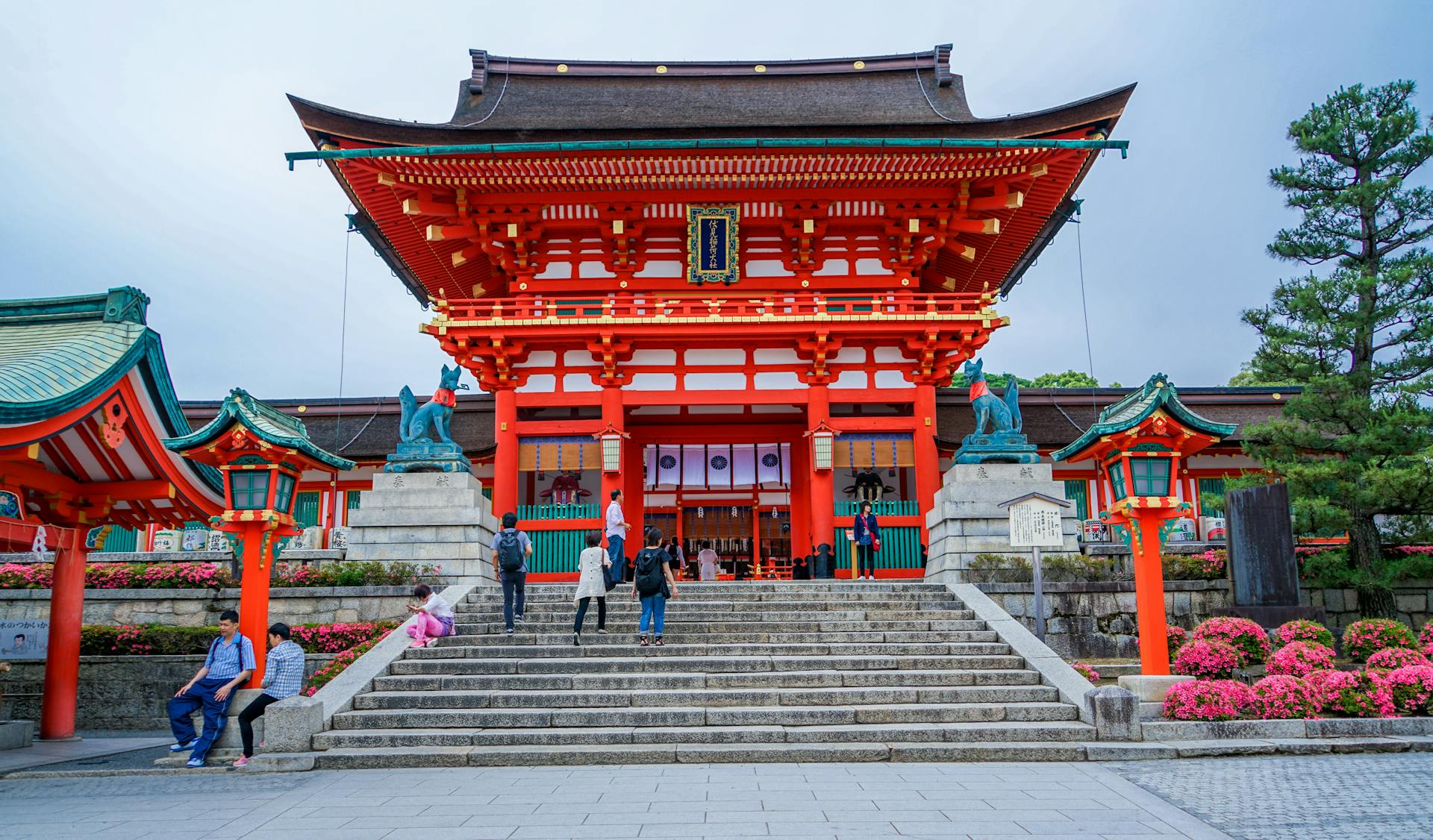
Fushimi Inari is one of Kyoto’s most famous shrine experiences, known for its long paths of red torii gates. It is easiest from Kyoto Station, southern Kyoto, or hotels with good train access.
Nishiki Market is a useful landmark for food-focused stays in central Kyoto. Stay near Kawaramachi, Karasuma, or Downtown Kyoto if you want restaurants, shops, and market access close by.
Arashiyama is ideal for bamboo groves, riverside walks, temple visits, and scenic western Kyoto stays. It can be a peaceful base, but it is less central than Gion, Downtown Kyoto, or Kyoto Station.
Kinkaku-ji is one of Kyoto’s best-known temple sights. Northern Kyoto is rewarding, but transport can take time, so choose a hotel with strong bus, train, or taxi access if these sights matter.
Nijo Castle is a strong central Kyoto landmark and works well from Karasuma Oike, Nijo, Downtown Kyoto, or Kyoto Station. It is useful for travellers who want culture without staying deep in the eastern temple districts.
The Kamogawa River and Pontocho area are excellent for evening walks, dining, and a more relaxed central Kyoto atmosphere. This area suits couples and food-focused travellers.
Kyoto works year-round, but the experience changes strongly by season. Spring is famous for cherry blossoms and temple gardens, but it can be busy and expensive. Autumn is one of the best times for walking, temples, gardens, and fall colours. Summer brings festivals and longer days, though it can feel hot and humid. Winter can be quieter, atmospheric, and easier for travellers who want temples, food, and cultural sightseeing with fewer crowds.
- Best for first-time sightseeing: spring or autumn - Best for cherry blossoms: spring, with flexible dates where possible - Best for autumn colour: late autumn, especially around temple and garden areas - Best for quieter cultural stays: winter outside peak holidays - Best for festivals: summer, especially around major traditional events - Best booking tip: book early for spring, autumn, and major festival periods
Start with location. If this is your first Kyoto trip, compare Gion, Higashiyama, Kyoto Station, and Downtown Kyoto first. Gion and Higashiyama give you more atmosphere and temple access. Kyoto Station gives you the easiest transport. Downtown Kyoto gives you the best balance of food, shopping, cafés, and cross-city movement.
Then think about how you will move around. Kyoto is walkable in certain neighbourhoods, but major sights are spread across the city. A hotel near a useful train station, subway stop, or strong bus route can save time every day. Also compare room size, luggage storage, breakfast, family rooms, air conditioning, laundry, free cancellation, and whether you want a modern hotel, boutique stay, or ryokan-style experience.
- Choose Gion for traditional atmosphere and evening walks. - Choose Higashiyama for temples, old streets, and classic Kyoto scenery. - Choose Kyoto Station for rail access, day trips, and convenience. - Choose Kawaramachi or Downtown Kyoto for restaurants, shopping, and Nishiki Market. - Choose Pontocho or Kiyamachi for riverside dining and evening walks. - Choose Arashiyama for scenery and slower stays. - Choose Nijo or Karasuma Oike for balance, value, and transport. - Choose Fushimi for shrine access and quieter southern Kyoto stays. - Prioritise transport access if you plan to visit several districts. - Check room size and luggage space before booking. - Use filters for price, guest rating, amenities, and cancellation options.
Discover hotels in other popular cities around the world