9.6
5
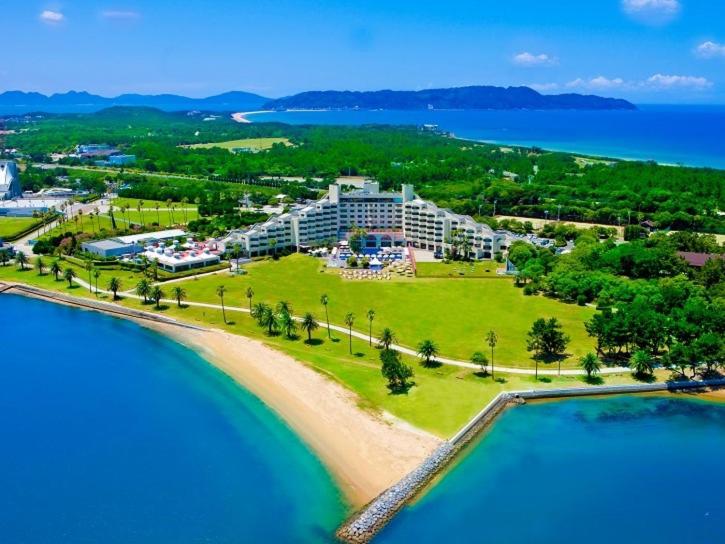
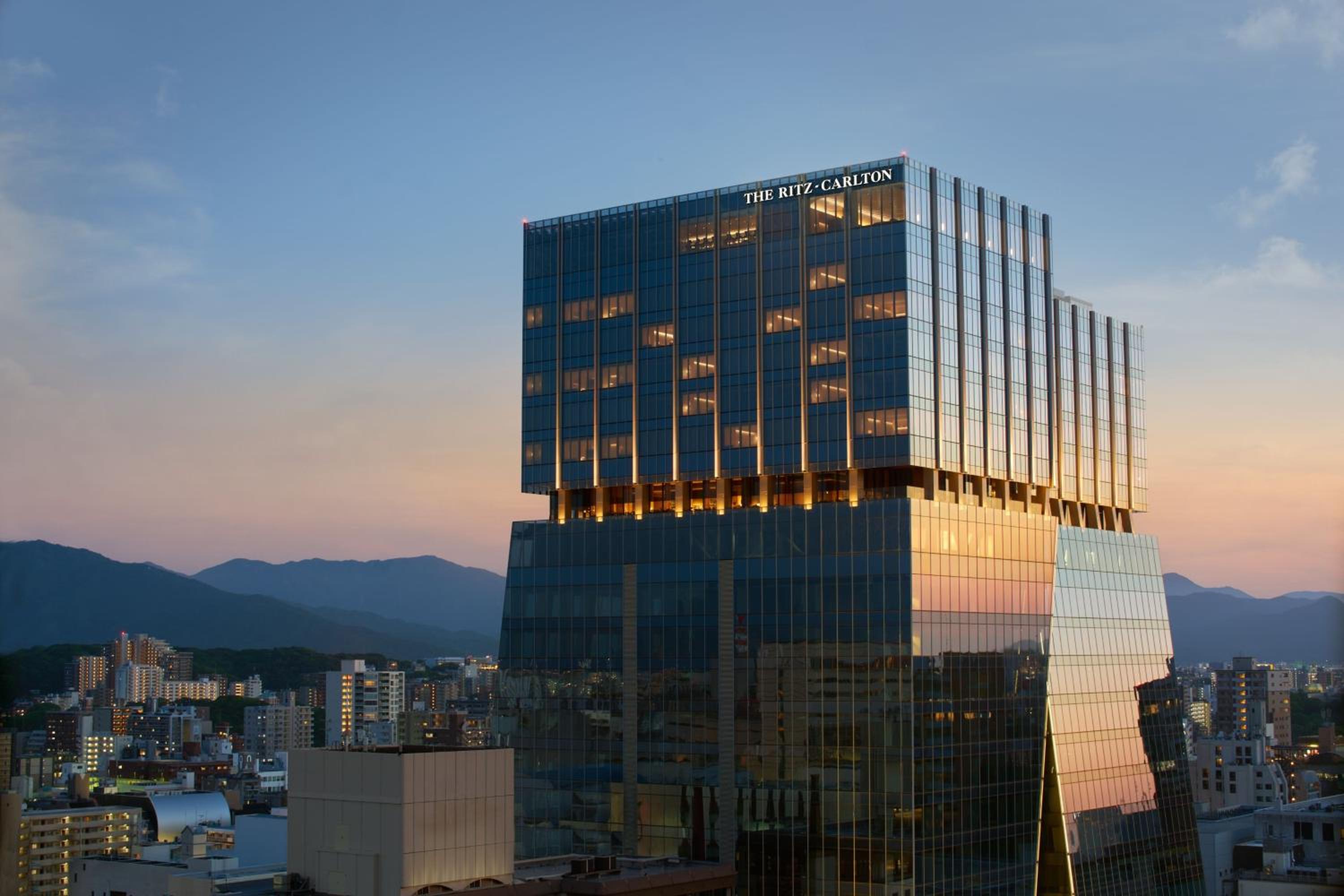
The Ritz-Carlton Fukuoka
Fukuoka Daimyo Garden City 2-6-50, Daimyo, Chuo Ward
184 reviews
Check availability
View Details
Book the Perfect Stay in Fukuoka
Kyushu's largest city offers excellent food, historic temples, museums, shopping, and well-connected central hotels.
Wide Selection
All property types
Compare stays
View available rates
Secure checkout
Powered by LiteAPI
Flexible options
Check cancellation terms by rate
Guest favorites with exceptional reviews and outstanding service
Premium 5-star hotels offering world-class amenities and unparalleled comfort
Top-rated accommodations offering excellent quality at competitive prices
Fukuoka is one of Japan's most enjoyable city-break destinations, combining excellent food, compact urban convenience, waterfront scenery, historic shrines and temples, modern shopping districts, and a relaxed pace that feels different from Tokyo or Osaka. Staying in Fukuoka is about more than using the city as a transport hub. It is about moving between Hakata, Tenjin, riverside districts, local food streets, parks, seaside attractions, and cultural landmarks while enjoying a city that is easy to navigate and rewarding to explore.
One of the biggest advantages of booking hotels in Fukuoka is the variety of practical stay styles across the city. Fukuoka offers everything from modern hotels near Hakata Station to stylish stays in Tenjin, practical mid-range accommodation in central districts, waterfront-access options near Momochi, and better-value choices with strong subway access. That makes Fukuoka a strong choice for first-time visitors, couples, food-focused travelers, business travelers, families, and visitors building a wider Kyushu itinerary.
Location matters in Fukuoka because each area creates a different type of stay. Some travelers want the transport convenience of Hakata, while others prefer the shopping and dining energy of Tenjin, the restaurants and cafés of Nakasu, the calm green surroundings near Ohori Park, or the seaside atmosphere of Momochi. Whether you are looking for luxury hotels in Fukuoka, family-friendly hotels in Fukuoka, central hotels in Fukuoka, or budget hotels with practical transport links, there are options to suit a wide range of travel styles and budgets.
Fukuoka also works especially well for shorter trips. A weekend can comfortably cover major city districts, famous local food, shrines, shopping, and one or two scenic attractions, while a longer stay gives you time for museums, parks, waterfront areas, and day trips deeper into Kyushu. That blend of convenience, food culture, urban energy, and easy sightseeing is what makes Fukuoka such a compelling place to stay.
Choosing where to stay in Fukuoka can shape your whole trip. Some areas put you close to stations, shopping, and central restaurants, while others offer more relaxed surroundings, food culture, waterfront access, or easier family-friendly convenience. The best area to stay in Fukuoka depends on your budget, travel style, and whether you want transport access, dining, shopping, museums, or a calmer neighborhood feel.
This is one of the best areas to stay in Fukuoka for first-time visitors. It offers excellent transport convenience, easy airport and rail access, strong hotel choice, and practical access to many parts of the city. It works especially well for travelers who want a smooth and efficient base.
Tenjin is one of the best areas to stay in Fukuoka for shopping, dining, and central city energy. It suits couples, city-break travelers, and visitors who want a lively but highly convenient district with strong transport links and lots of restaurants.
Nakasu appeals to travelers who want riverside restaurants, cafés, and easy access to yatai dining. It can work especially well for shorter stays focused on food, evening energy, and central convenience.
This area suits travelers who want a calmer and more scenic base while still staying close to the center. It works well for couples, longer stays, and visitors who want park access, local atmosphere, and a slightly more relaxed pace.
This is a strong option for travelers who want a more open waterfront feel, access to Fukuoka Tower and seaside attractions, and a different side of the city beyond the busiest central districts. It can work well for families and travelers who like a more spacious setting.
These connected areas appeal to travelers who want a more local and stylish neighborhood feel with cafes, smaller shops, and easy access to both Tenjin and the wider city. They can work especially well for repeat visitors and food-focused stays.
Fukuoka combines major shopping areas, shrines, riverside districts, parks, food culture, and seaside attractions, which makes hotel location especially important. Staying in the right area can save time and help you enjoy more of the city with less travel stress. Whether you are planning a first visit, a food-focused break, or a wider Kyushu trip with Fukuoka as your base, being close to the attractions that matter most can make your stay far more enjoyable.
Ohori Park is one of Fukuoka's standout attractions and one of the city's best places for a more relaxed sightseeing break. Hotels with good access to central Fukuoka and the subway work especially well for travelers who want greenery, walking paths, and a calmer side of the city.
Canal City Hakata is one of the city's best-known shopping and entertainment complexes. Hotels nearby suit travelers who want shopping, dining, and practical central convenience.
This part of the city shows a more modern waterfront side of Fukuoka. Hotels with access to Momochi work especially well for travelers who want seaside views, open space, and a different atmosphere from the station and shopping districts.
Hakata offers an older cultural side of the city, with shrines, temples, and long-established local identity. Staying nearby suits travelers who want easier access to Fukuoka's traditional roots alongside modern convenience.
Tenjin is one of the city's most useful areas for shopping, food, and everyday city energy. Hotels nearby work well for travelers who want a highly practical base with lots of options close at hand.
Nakasu is closely associated with Fukuoka's evening character, riverside setting, and famous yatai food stalls. Hotels with access to this area appeal to travelers who want restaurants, cafés, and local food culture as part of the trip.
Fukuoka offers more than just shopping and food. Parks, museums, local neighborhoods, and smaller cultural stops add depth to the city, and staying in a well-connected district makes it easier to build a broader itinerary.
Fukuoka also works very well as a base for exploring more of the region. Staying near strong transport links can be especially useful for travelers planning day trips or onward travel through Kyushu.
Fukuoka is a year-round destination, but the best time to visit depends on the kind of trip you want. Some travelers come for food, shopping, and city exploration, while others want parks, waterfront walks, local events, or a broader Kyushu itinerary. Each part of the year gives the city a slightly different feel.
This is one of the best times to visit Fukuoka. Spring works especially well for city walks, park visits, sightseeing, and comfortable exploring across neighborhoods such as Hakata, Tenjin, and Ohori Park.
Summer can still work well for travelers who want a lively city atmosphere, shopping, dining, festivals, and longer days, though it is generally warmer and more humid. This period can still suit shorter stays with a flexible pace.
This is often one of the best times to visit Fukuoka. The weather is usually more comfortable for walking, sightseeing, and combining urban areas with parks and waterfront spots.
Winter can still work very well for food-focused trips, shopping, lower-season city breaks, and practical short stays. This period suits travelers who care more about urban atmosphere and local cuisine than warm-weather sightseeing.
Fukuoka can work throughout the year, but the best time to visit depends on whether you want classic sightseeing weather, a lively city atmosphere, or a calmer off-peak trip focused on food and urban exploring. Spring and autumn are often the strongest choices for most travelers, while other periods can still work well depending on your priorities.
Discover hotels in other popular cities around the world