9.6
4
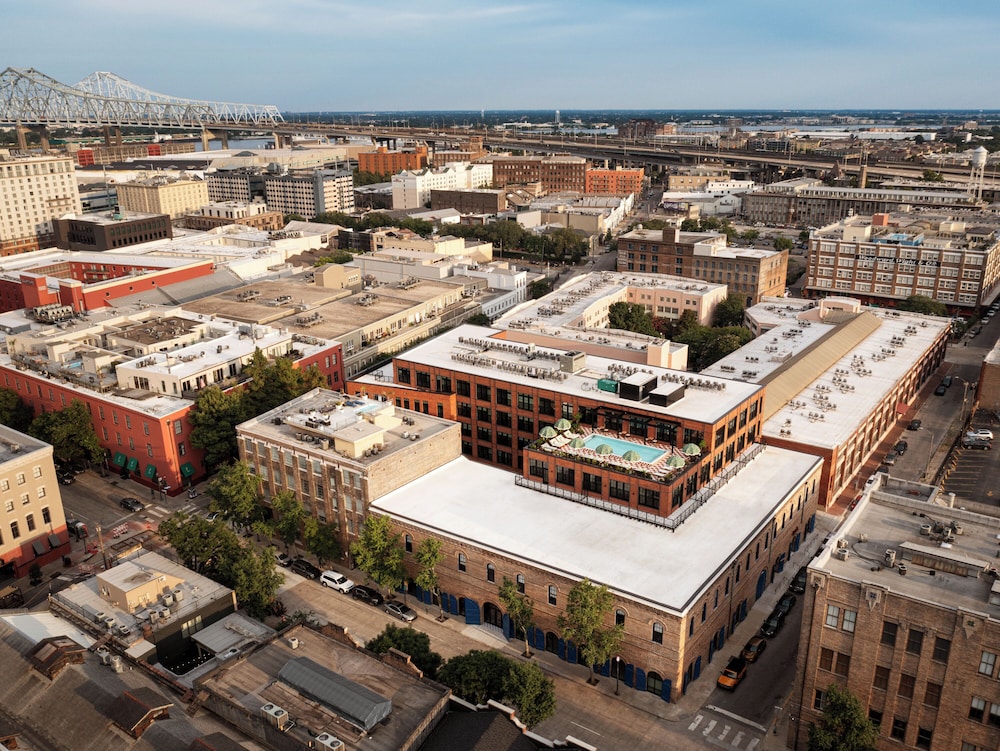
Memoir Warehouse District
808 Constance Street, New Orleans, Louisiana, 70130Warehouse District / Arts District · museums & conventions · not all Quarter walks
129 reviews
Check availability
View Details
Compare hotels in New Orleans across the French Quarter, the Central Business District, the Warehouse District, the Garden District, Marigny, Bywater, and Mid-City. Festival weekends and river crossings can change how walkable a location feels day to day.
Neighbourhood matters in New Orleans. A hotel listed near Jackson Square or Bourbon Street may still be several blocks away, on the other side of the river, or in a suburb better suited to drivers than walkers. Check exact location, noise levels, parking, and transport time before booking.
Wide Selection
All property types
Compare stays
View available rates
Secure checkout
Powered by LiteAPI
Flexible options
Check cancellation terms by rate
Guest favorites with exceptional reviews and outstanding service
Premium 5-star hotels offering world-class amenities and unparalleled comfort
Top-rated accommodations offering excellent quality at competitive prices
New Orleans is one of the most distinctive hotel destinations in the United States, especially for travellers who want music, food, festivals, historic streets, riverfront walks, museums, cruise access, conventions, and neighbourhood character in one trip. Hotels in New Orleans work well for first-time sightseeing, romantic weekends, family holidays, festival stays, business travel, cruise departures, museum trips, and longer Louisiana itineraries.
The best place to stay in New Orleans depends on the kind of trip you are planning. First-time visitors often choose the French Quarter, Canal Street, the CBD, or the Warehouse District because these areas keep many major attractions within easier reach. Staying centrally can make a short trip feel smoother because you spend less time moving between Jackson Square, Bourbon Street, Royal Street, the Mississippi Riverfront, the National WWII Museum, restaurants, music venues, and tour departure points.
The French Quarter is the classic choice for atmosphere, historic architecture, restaurants, music, and walkability. It is useful for visitors who want to step outside their hotel and immediately feel the older part of the city. However, exact street choice matters. A hotel near Bourbon Street can feel very different from a quieter property near Chartres Street, Royal Street, or the river side of the Quarter.
The CBD and Canal Street area offer a practical central base between the French Quarter, Warehouse District, riverfront, and streetcar routes. This area works well for business travellers, first-time visitors, festival stays, and travellers who want central access without staying deep inside the French Quarter. The Warehouse / Arts District is better for museums, restaurants, galleries, the Convention Center, and a more polished downtown feel.
New Orleans also rewards visitors who stay outside the most obvious tourist core. The Garden District and Uptown suit travellers who want historic homes, oak-lined streets, Magazine Street, streetcar access, and a calmer setting. Marigny and Bywater work well for music, colourful streets, local restaurants, and a more neighbourhood-focused stay. Tremé and Mid-City can also make sense for culture, local food, City Park, Bayou St. John, and repeat visitors who want a different side of the city.
Nearby areas such as Metairie, Kenner, the airport area, Westbank, Marrero, and Slidell can be useful for drivers, airport access, family visits, work trips, or lower rates. However, these areas should not be confused with central New Orleans hotels. A cheaper outer-area hotel can be a good choice if parking, road access, or airport convenience matters most, but it is usually less convenient for walking to the French Quarter, Jackson Square, Frenchmen Street, the Convention Center, or the main downtown attractions.
Before booking, compare the hotel’s exact location with your main plans. New Orleans can feel compact in the French Quarter, CBD, Warehouse District, and riverfront areas, but travel time changes quickly once you move into outer neighbourhoods or suburban hotel markets. The best hotel is not always the cheapest one. It is the one that matches your trip style, late-night transport needs, event location, parking plans, and how much of the city you want to explore on foot.
The French Quarter is the best area for many first-time visitors to New Orleans. It places you close to Jackson Square, St. Louis Cathedral, Bourbon Street, Royal Street, historic buildings, restaurants, music venues, carriage tours, riverfront walks, and many classic visitor experiences.
Hotels in the French Quarter suit short stays, romantic trips, food-focused weekends, music trips, and travellers who want to explore on foot. This area can be lively, especially around Bourbon Street and major event weekends, so quiet-sensitive guests should check the exact street and room location before booking.
Canal Street and the Central Business District are practical choices for travellers who want central access without staying deep inside the French Quarter. This area works well for business trips, festival stays, theatre visits, shopping, restaurants, and easy movement between the French Quarter, Warehouse District, and streetcar routes.
Hotels near Canal Street and the CBD can offer strong convenience. However, exact location matters because a hotel on Canal Street, Carondelet Street, Poydras Street, or near the river can create a very different stay.
The Warehouse District and Arts District are excellent for travellers who want museums, galleries, restaurants, convention access, and a more polished downtown stay. This area is especially useful for the National WWII Museum, Ogden Museum of Southern Art, Julia Street galleries, and the Ernest N. Morial Convention Center.
Hotels in the Warehouse District suit convention travellers, museum-focused trips, couples, food lovers, and guests who want to stay near downtown without being directly in the French Quarter. Some properties are very close to the Convention Center, while others sit closer to the CBD or riverfront.
The Convention Center and riverfront area work well for travellers attending events, cruises, trade shows, and meetings. Hotels here can also be useful for access to the Riverwalk, downtown restaurants, and parts of the Warehouse District.
This area should not be described as the French Quarter unless the hotel is genuinely close to the Quarter. Travellers should compare walking distance, event venue access, and streetcar or rideshare options before booking.
The Garden District and Lower Garden District are strong choices for travellers who want historic homes, oak-lined streets, Magazine Street restaurants and shops, streetcar access, and a calmer stay than the French Quarter. This area suits couples, families, repeat visitors, and travellers who prefer neighbourhood character.
Hotels in this area are not usually walkable to Jackson Square or Bourbon Street for most visitors. They work best for guests who are comfortable using the streetcar, taxis, rideshare, or longer walks.
Uptown is useful for travellers who want access to Audubon Park, universities, Magazine Street, Freret Street, local restaurants, live music, and a more residential New Orleans stay. It can work well for family visits, longer stays, campus visits, and repeat visitors.
Uptown hotels and stays should be labelled clearly. They are not French Quarter hotels, and travellers should check transport time if most plans are downtown.
Marigny is a good choice for travellers who want music, colourful streets, neighbourhood restaurants, and easier access to Frenchmen Street. It sits close to the French Quarter but offers a different atmosphere.
Hotels in Marigny can suit music-focused trips, couples, solo travellers, and repeat visitors. Some locations are walkable to the French Quarter, while others require more planning, so check exact distance and route details.
Bywater offers a creative, neighbourhood-focused New Orleans stay with colourful homes, local restaurants, Crescent Park access, and a quieter feel than the French Quarter. It can appeal to repeat visitors and travellers who want a more local base.
Bywater hotels should not be described as central French Quarter hotels. Guests should plan transport if they want frequent access to Bourbon Street, Jackson Square, or the Convention Center.
Tremé is one of New Orleans’ most culturally important neighbourhoods and can work for travellers interested in music history, local culture, food, and a stay just outside the main French Quarter core.
Hotels and stays in Tremé should be labelled separately from the French Quarter. Some areas are close to central attractions, but exact location and transport plans matter.
Mid-City can suit travellers who want access to City Park, Bayou St. John, local restaurants, festival routes, and a more residential stay away from the busiest downtown hotel zones. It can also work well for longer stays and repeat visitors.
Mid-City hotels are not usually ideal for guests who want to walk to the French Quarter every day. Check streetcar access, parking, and travel time before booking.
Metairie, Kenner, and airport-area hotels can be useful for early flights, late arrivals, family visits, road trips, work travel, and better parking. Kenner is especially useful for Louis Armstrong New Orleans International Airport access.
These hotels should not be presented as ordinary New Orleans city-centre hotels. If included, label them clearly as Metairie, Kenner, or airport-area stays.
Westbank, Marrero, and Slidell properties may be useful for specific road trips, family visits, work travel, or value-focused stays, but they are not central New Orleans hotel areas. Slidell is especially far from the French Quarter compared with CBD or downtown hotels.
If these properties appear on the New Orleans page, label them clearly as nearby or outside central New Orleans. The preferred fix is to exclude obvious Slidell properties from core New Orleans hotel modules unless the product intentionally supports nearby alternatives.
The French Quarter is the most important visitor area in New Orleans and a natural anchor for hotel searches. It includes historic streets, restaurants, music venues, courtyards, museums, galleries, and some of the city’s most recognisable architecture.
Choose a French Quarter or nearby CBD hotel if this is the main focus of your trip. Choose Garden District, Uptown, Marigny, Bywater, or Mid-City if you want a different neighbourhood experience.
Jackson Square and St. Louis Cathedral are among the most photographed landmarks in New Orleans. They sit in the heart of the French Quarter and pair well with riverfront walks, museums, restaurants, and nearby historic streets.
Hotels in the French Quarter, CBD, and riverfront areas are usually most convenient for this part of the city. Slidell, Marrero, Metairie, Kenner, and airport-area hotels are not walkable to Jackson Square.
Bourbon Street and Royal Street show two different sides of the French Quarter. Bourbon Street brings busy central foot traffic and a high-energy setting, while Royal Street is known for galleries, architecture, shops, and historic character.
Choose Bourbon Street-side hotels if walkability and a central French Quarter base matter most. Choose Royal Street, Chartres Street, or nearby blocks if you prefer quieter streets, museums, and gallery-lined walks. Always check noise comments in recent reviews.
Frenchmen Street is one of the best-known areas for live music and evening atmosphere. It sits near Marigny and the edge of the French Quarter, making location important for travellers who plan late nights.
Hotels in Marigny, the French Quarter, and parts of the CBD can work well. Garden District, Uptown, airport-area, Slidell, and Marrero hotels require more transport planning.
The National WWII Museum is one of New Orleans’ major cultural attractions and sits in the Warehouse / Arts District. It is a strong reason to stay near the Warehouse District, CBD, Convention Center, or Lower Garden District.
Hotels near the museum work well for culture-focused trips, convention stays, and travellers who want a downtown base outside the French Quarter.
The Ernest N. Morial Convention Center is a major driver of New Orleans hotel demand. Convention travellers should choose hotels based on event access, walking distance, shuttle routes, and proximity to restaurants.
Warehouse District and Convention Center Boulevard hotels are usually most convenient. French Quarter and CBD hotels can also work depending on the event schedule.
The Garden District and Magazine Street are excellent for historic homes, shopping, restaurants, cafés, architecture, and a slower New Orleans experience. This area is best reached from Garden District, Lower Garden District, Uptown, or streetcar-friendly hotels.
French Quarter and CBD hotels can still work, but travellers should plan transport or a longer outing.
The St. Charles Avenue streetcar is one of the most useful ways to experience Uptown, Garden District, and central New Orleans. It can also shape where visitors choose to stay.
Hotels near the streetcar can be practical for travellers who want access to both downtown and Uptown. Check current route access and walking distance before booking.
City Park and Bayou St. John are useful for travellers who want green space, museums, family-friendly activities, outdoor time, and a different side of New Orleans beyond downtown.
Mid-City hotels and stays are usually more convenient for this area. French Quarter and CBD hotels can still work by taxi, rideshare, streetcar, or car.
Audubon Park and Uptown are useful for family visits, campus trips, peaceful walks, local restaurants, and a more residential New Orleans stay. This area is separate from the French Quarter and downtown visitor core.
Uptown and Garden District hotels are best for this part of the city. Central hotels require transport.
The Mississippi Riverfront adds river walks, ferry access, steamboat views, cruise connections, and a strong sense of place. It pairs naturally with the French Quarter, CBD, Warehouse District, and Convention Center areas.
Choose a riverfront, CBD, French Quarter, or Warehouse District hotel if this matters to your trip. Outer-area hotels are less convenient.
Swamp tours and plantation day trips are popular additions to New Orleans itineraries, but they are not central city attractions. Most visitors need a tour, car, shuttle, or pick-up arrangement.
Central hotels are often convenient for tour pick-ups. Airport, suburban, Slidell, or Westbank hotels may work for drivers, but travellers should confirm logistics before booking.
February to May is one of the busiest and most popular periods for hotels in New Orleans. Travellers come for Mardi Gras season, festivals, music, food, walking tours, spring weather, and major events.
Book early if you want a French Quarter, CBD, Warehouse District, Garden District, or Convention Center hotel during this period. Prices can rise sharply around parades, festivals, and major weekends.
June to August can be hot and humid, but New Orleans still works for food trips, museums, music, pools, restaurants, and indoor attractions. Travellers should choose hotels with good air conditioning, practical transport access, and nearby dining.
This period can offer better value than peak spring dates, although events and weekends can still affect rates.
September to November is another strong period for New Orleans hotel stays. Visitors often choose autumn for festivals, restaurants, music, walking tours, and more comfortable conditions than midsummer.
Book ahead for major events, football weekends, cruise periods, conventions, and high-demand French Quarter or Warehouse District hotels.
December and January can be useful for holiday lights, restaurants, music, football travel, museums, and quieter city breaks outside major event dates. Hotel value can be better than peak festival periods.
Choose a central hotel if you want to reduce travel time between restaurants, museums, music venues, and riverfront attractions.
Mardi Gras, Jazz Fest, French Quarter Festival, Essence Festival, major conventions, football weekends, and cruise demand can all affect hotel prices and availability. Location becomes especially important during event periods because traffic, crowds, and street closures may change how easy it is to move around.
Book early and choose your hotel based on the event area, not only the lowest room rate.
Discover hotels in other popular cities around the world
United States

United States
United States
United States
United States
United States
United States
United States