10.0
4
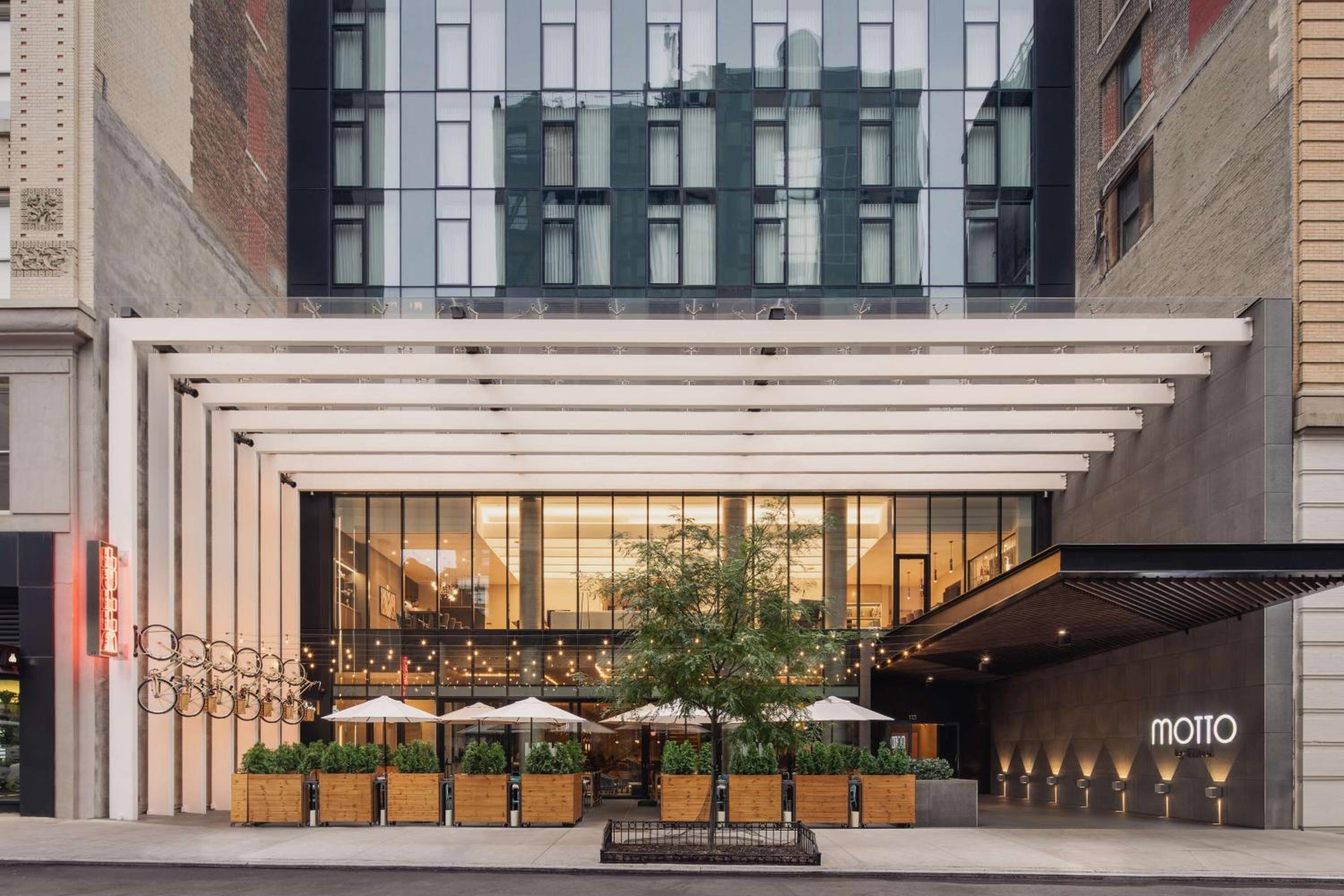
Motto by Hilton New York City Chelsea
113 West 24th Street
4,159 reviews
Check availability
View Details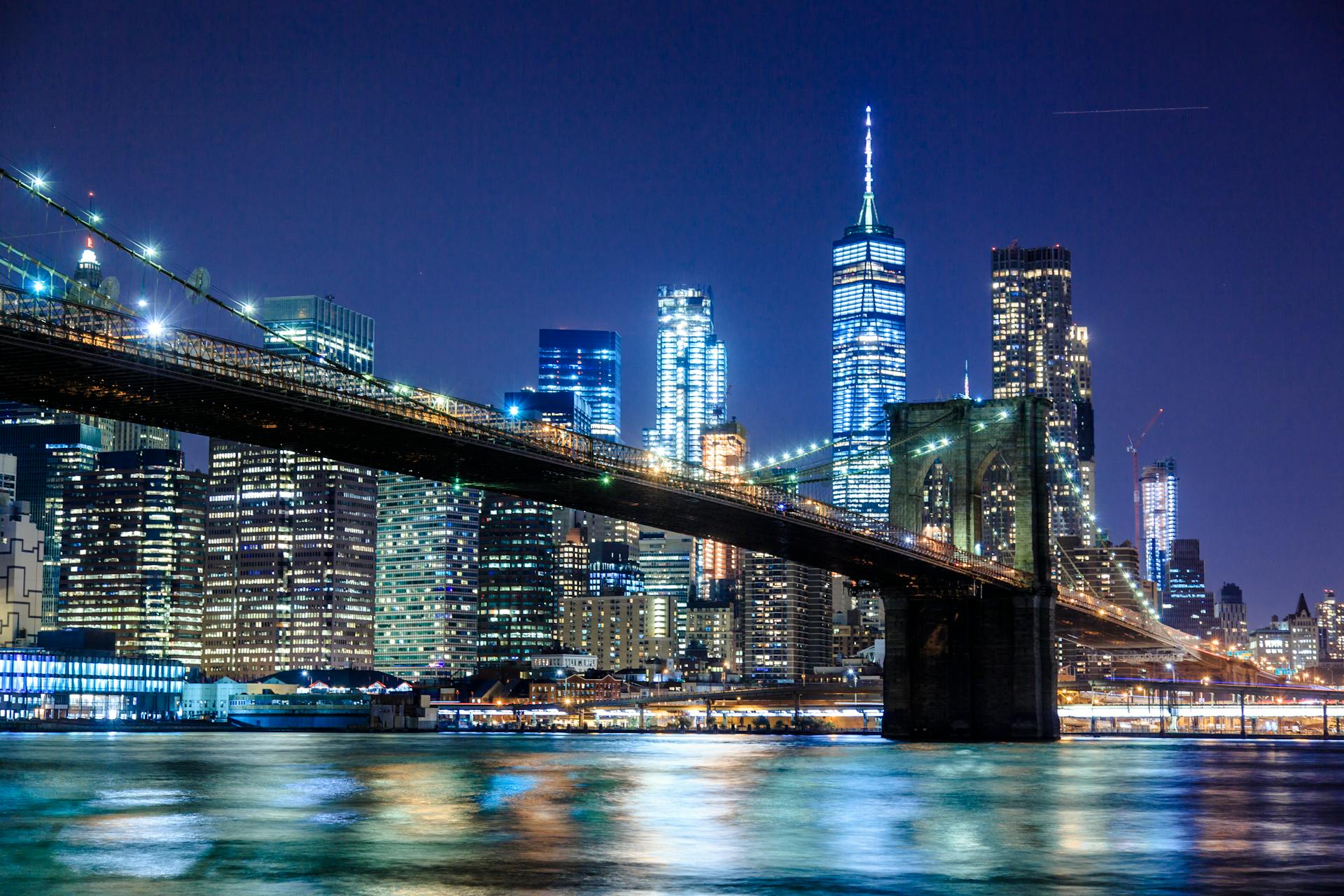
Compare hotels in New York City across Manhattan, Brooklyn, Queens, the Bronx, and Staten Island. Popular areas include Midtown, Times Square, the Theater District, Central Park, Lower Manhattan, and well-connected neighbourhoods near major subway lines.
Location shapes almost every NYC stay. A hotel in New Jersey, Long Island, Westchester, or Connecticut may still appear in wider searches but can add significant commute time. Check the borough, nearest subway lines, and walking distance to your main plans before booking.
Wide Selection
All property types
Compare stays
View available rates
Secure checkout
Powered by LiteAPI
Flexible options
Check cancellation terms by rate
Guest favorites with exceptional reviews and outstanding service
Premium 5-star hotels offering world-class amenities and unparalleled comfort
Top-rated accommodations offering excellent quality at competitive prices
New York is one of the world’s strongest hotel destinations, combining Broadway, Central Park, museums, skyline views, famous shopping streets, neighbourhood restaurants, waterfront walks, business districts, galleries, parks, sports venues, ferry routes, and a hotel scene that ranges from landmark luxury stays to practical airport and outer-borough accommodation. Choosing where to book hotels in New York is not only about finding a room near Times Square. It is about choosing the right base for how you want to experience Manhattan, Brooklyn, Queens, the airports, and the wider New York metro area.
One of the biggest reasons to stay in New York is the variety of hotel areas across the city. Midtown Manhattan works well for first-time visitors who want Times Square, Broadway, Rockefeller Center, Fifth Avenue, Grand Central, the Empire State Building, and central transport close to the hotel. Central Park South, the Upper West Side, and the Upper East Side suit travelers who want museums, park access, family-friendly routines, and a slightly different rhythm from the busiest Midtown blocks. Lower Manhattan works well for Wall Street, the 9/11 Memorial, ferries, Brooklyn Bridge access, and a more downtown-focused stay.
Location matters in New York because the city is large, layered, and shaped by transit. A Times Square hotel can be very convenient for Broadway and short sightseeing trips, but it can also feel busy and expensive. A Chelsea, Flatiron, NoMad, or SoHo hotel may suit travelers who want restaurants, design-led hotels, shopping, galleries, and downtown movement. Brooklyn and Long Island City can work well for visitors who want more neighbourhood atmosphere, skyline views, or better value, but they should not be described as Manhattan hotels. Airport-area and New Jersey-side stays can be practical for logistics, but they are not central New York sightseeing bases.
New York also works for almost every type of trip. A short stay can focus on Times Square, Broadway, Central Park, the Empire State Building, Lower Manhattan, Brooklyn Bridge, and one or two museums. A longer stay can add the Upper West Side, the Upper East Side, Chelsea, SoHo, Williamsburg, DUMBO, Queens food areas, ferry rides, sports, parks, and slower neighbourhood exploring. That mix of landmarks, culture, food, shopping, business travel, transport, and hotel choice makes New York a strong destination for couples, families, solo travelers, business visitors, theatre fans, museum lovers, students’ families, and first-time visitors to the United States.
Choosing where to stay in New York can shape the whole trip. Some areas are best for first-time sightseeing, Broadway, museums, and central transport, while others work better for restaurants, parks, business travel, neighbourhood atmosphere, skyline views, airport logistics, or better value. The best place to stay in New York depends on whether you want Midtown convenience, Central Park access, downtown character, Brooklyn energy, Queens practicality, or a nearby metro base with realistic transport planning.
Midtown Manhattan and Times Square are among the best areas to stay in New York for first-time visitors who want Broadway, major landmarks, restaurants, shops, subway access, and classic sightseeing close to the hotel—typical when travelers compare Manhattan hotels for NYC landmark itineraries or hotels near Times Square for theatre nights. This area works especially well for short stays, theatre trips, business travel, and visitors who want to reduce cross-town movement. It can be busy, bright, and expensive, so travelers who want quiet evenings or a more neighbourhood-based stay may prefer Central Park areas, Chelsea, NoMad, Lower Manhattan, Brooklyn, or Queens.
The Theater District and Hell’s Kitchen suit travelers who want Broadway shows, pre-theatre restaurants, casual dining, Midtown access, and a practical west-side base—often overlapping searches for hotels near Broadway without committing to every Times Square block. This area works well for theatre fans, couples, solo travelers, and visitors who want to walk to evening performances without relying on late transport. It should not be described as quiet or residential. Guests should check exact block, room position, and walking route because the feel can change quickly between Times Square, Ninth Avenue, and the Port Authority side.
Central Park South, the Upper West Side, and the Upper East Side are strong choices for travelers who want park access, museums, calmer residential streets, family-friendly routines, and a more classic uptown stay—natural territory for hotels near Central Park when travelers prioritize greenery over theatre hustle. Central Park South offers luxury and landmark views, the Upper West Side works well for families and longer stays, and the Upper East Side suits museum-focused trips and polished hotel stays. These areas are not Times Square, so travelers should plan subway, taxi, or walking time for Broadway and downtown attractions.
Chelsea, Flatiron, NoMad, and Hudson Yards work well for visitors who want restaurants, design-led hotels, shopping, galleries, the High Line, Madison Square Park, west-side movement, and a base between Midtown and downtown—popular lanes for Chelsea hotels New York and NoMad Manhattan itineraries alike. This area suits couples, repeat visitors, business travelers, food-focused guests, and travelers who want convenience without staying directly in Times Square. Exact hotel location matters because NoMad, Chelsea, Hudson Yards, and Flatiron each create a different stay experience.
SoHo, Tribeca, Greenwich Village, and the West Village are strong choices for travelers who want boutique hotels, shopping, restaurants, cobbled streets in some areas, evening dining, galleries, and a more downtown neighbourhood atmosphere—often where visitors compare SoHo hotels New York for fashion-forward bases. These areas work especially well for couples, repeat visitors, food-focused travelers, and guests who want to explore downtown Manhattan. They are not the most practical bases for every first-time landmark checklist, so visitors should plan transport for Broadway, Central Park, and uptown museums.
Lower Manhattan and the Financial District are practical choices for travelers who want Wall Street, the 9/11 Memorial, One World Trade Center, ferries, Brooklyn Bridge access, Battery Park, and downtown business districts close to the hotel—aligned with Financial District hotels New York searches tied to downtown sightseeing and Lower Manhattan hotels focused on ferries. This area works well for business travelers, history-focused visitors, families, and guests who want a quieter evening feel than Midtown in some blocks. It is not the same as staying near Times Square, so theatre trips and uptown attractions require subway, taxi, or planned transport.
Williamsburg, DUMBO, and Downtown Brooklyn can be excellent for travelers who want restaurants, waterfront views, boutique hotels, Brooklyn Bridge access, skyline photography, neighbourhood energy, and access to Manhattan without staying in Midtown—distinct Brooklyn hotels New York choices where Williamsburg hotels suit dining-forward stays and DUMBO hotels emphasize waterfront scenery. Williamsburg feels more restaurant- and café-oriented, DUMBO is scenic and waterfront-focused, and Downtown Brooklyn is practical for transit. These areas should not be described as Manhattan hotels. Guests should check subway lines, bridge access, ferry options, and how often they plan to visit Midtown.
Long Island City and Queens can be useful for travelers who want skyline views, practical transit, better value, airport access, and a base outside Manhattan—Long Island City hotels often pair skyline shots with quicker subway hops to Midtown, while Queens hotels near Manhattan routes suit travelers comfortable crossing borough lines nightly. Long Island City often works well for visitors who want quick subway access to Midtown while staying in Queens. Other Queens areas may suit airport logistics, family visits, events, food-focused trips, or local travel. These stays should not be described as Times Square hotels. Guests should check exact subway access, commute time, and airport plans before booking.
JFK, LaGuardia, and Newark-area hotels can be useful for early flights, late arrivals, airline crew travel, short stopovers, car rentals, and logistics-heavy trips—grouped when travelers filter New York airport hotels, JFK airport hotels, LaGuardia airport hotels, or Newark airport hotels near New York on the same itinerary. They are not central sightseeing hotels, and guests should not expect to walk to Times Square, Central Park, Broadway, Lower Manhattan, or Brooklyn attractions. This type of stay works best when flight timing, shuttle access, parking, or airport convenience matters more than city atmosphere.
Some New York searches may include Jersey City, Hoboken, Weehawken, Newark, Elizabeth, Secaucus, Long Island, or other wider metro accommodation. These stays can be useful for skyline views, events, airport access, road trips, or better value, but they are not New York City hotels unless the page intentionally includes nearby metro hotels. Guests choosing these areas should factor in PATH, ferry, subway, train, rideshare, tolls, traffic, and late-night return plans before treating them as substitutes for Manhattan or Brooklyn stays.
New York combines world-famous landmarks, Broadway theatres, parks, museums, waterfronts, neighbourhood dining, business districts, sports venues, ferry routes, and outer-borough experiences. That makes hotel location especially important. Staying in the right part of New York can reduce transit time, simplify evening plans, keep family routines easier, and help travelers avoid booking a hotel far from the experience they actually want.
Times Square and Broadway are major reasons many travelers choose Midtown or Theater District hotels. Staying nearby works especially well for theatre trips, short stays, first-time visits, and guests who want evening shows, restaurants, shops, and central subway access close to the room. This area can be crowded and bright, so it should not be described as quiet or neighbourhood-like. Travelers should check exact hotel block, room position, and walking route before booking.
Central Park is one of New York’s strongest hotel-location anchors because it supports walking, museums, family days, morning runs, playgrounds, seasonal scenery, and calmer breaks from dense city blocks. Hotels near Central Park South, the Upper West Side, or the Upper East Side work well for travelers who want park access and a slightly softer rhythm than Times Square. Central Park is large, so guests should check which entrance or museum side is closest to the hotel.
Rockefeller Center, Fifth Avenue, and Grand Central make Midtown a practical base for visitors who want classic sightseeing, shopping, restaurants, observation decks, business meetings, and transport connections. Hotels in Midtown East, Midtown West, Times Square, Bryant Park, and Central Park South can all work depending on the itinerary. This area is especially useful for short stays because it keeps many landmark routes compact. Exact location matters because east-west movement in Midtown can take longer than expected.
The Empire State Building, NoMad, and Flatiron areas are useful for travelers who want central Manhattan access without staying directly in Times Square. Hotels around NoMad, Koreatown, Herald Square, Flatiron, or Chelsea can work well for restaurants, shopping, transit, business travel, and a balanced Midtown-downtown itinerary. This area suits repeat visitors, couples, and guests who want a practical base with strong subway access. It is still central but has a different feel from Broadway-focused Midtown.
The High Line, Chelsea, and Hudson Yards offer a west-side New York experience built around elevated walks, galleries, restaurants, shopping, waterfront access, and modern architecture. Hotels in Chelsea, Hudson Yards, or nearby Flatiron and NoMad areas can make this part of Manhattan easy to include. This area works well for couples, design-focused visitors, repeat travelers, and guests who want a less Times Square-heavy stay. Visitors should check exact subway access because west-side blocks can feel longer than expected.
Lower Manhattan is one of the best areas for travelers focused on the 9/11 Memorial, One World Trade Center, Wall Street, Battery Park, ferries, and Brooklyn Bridge access. Hotels in the Financial District, Tribeca, Battery Park City, or World Trade Center area can make downtown sightseeing and business travel easier. This area is practical and often calmer at night than Midtown, but it is not the best base for every Broadway or Central Park-heavy itinerary.
The Statue of Liberty and Ellis Island require ferry planning, and hotels near Battery Park, the Financial District, Tribeca, or Lower Manhattan can make departure logistics easier. Midtown, Brooklyn, Queens, and New Jersey guests can still visit with planned transport. Do not describe the Statue of Liberty as walkable from most New York hotels. Travelers should check ferry departure points, security screening, ticket type, weather, and timing before building a stay around it.
Brooklyn Bridge, DUMBO, and the Brooklyn waterfront are major reasons some travelers choose Lower Manhattan or Brooklyn hotels. Staying near DUMBO, Brooklyn Heights, Downtown Brooklyn, or Lower Manhattan can make bridge walks, skyline views, parks, cafés, and ferry routes easier. This area works especially well for couples, photographers, families, and repeat visitors. Brooklyn hotels should be presented clearly as Brooklyn stays, not Manhattan hotels, even when they offer excellent access to Manhattan.
The Upper East Side and Upper West Side are strong hotel areas for museum-focused travelers. The Upper East Side works well for Museum Mile and Central Park access, while the Upper West Side is useful for the American Museum of Natural History, Lincoln Center, family routines, and park access. These areas are not Times Square, but they can be very comfortable for guests who want culture, quieter evenings, and less of a Midtown tourist-core feel.
Queens and the wider metro area matter for airport logistics, food-focused trips, sports, family visits, business travel, and better-value stays. Long Island City can work well for skyline views and quick Midtown access, while airport-area hotels serve a very different purpose. Guests should not treat Queens, Newark, Jersey City, or airport stays as automatically equivalent to Manhattan. Transport details, subway access, shuttle availability, and late-night return plans should be checked carefully.
New York is a year-round destination, but the best time to visit depends strongly on the kind of trip you want. Some travelers come for spring walks, summer events, autumn city breaks, winter lights, Broadway, museums, shopping, business travel, or family holidays. Hotel demand, weather, school breaks, conferences, major events, flight logistics, and neighbourhood choice can all affect the best time to book.
March to May can be one of the strongest times to visit New York for walking, museums, parks, restaurants, Broadway, and neighbourhood exploring. Spring conditions often make Central Park, the High Line, Brooklyn waterfront areas, and Lower Manhattan especially appealing. Hotel demand can rise around holidays, school breaks, graduation periods, and major events, so travelers with fixed dates should compare Midtown, Central Park areas, downtown Manhattan, Brooklyn, and Queens early.
June to August brings warm weather, long days, family travel, parks, waterfront activities, outdoor dining, and busy sightseeing periods. This season works well for visitors who want a full city itinerary, but heat, humidity, crowds, and hotel demand can affect comfort. Families should compare hotel room size, air conditioning, subway access, park proximity, and walking distance carefully. Midtown is convenient, while Upper West Side, Brooklyn, Queens, and Lower Manhattan may suit different travel styles.
September to November is one of the most popular periods for New York hotel stays because the weather often suits walking, museums, restaurants, shopping, parks, and neighbourhood exploring. This season works especially well for couples, first-time visitors, business travelers, and culture-focused trips. Demand can rise around fashion, conferences, fall foliage weekends, holidays, and major events. Travelers should book early if they want specific areas such as Times Square, Central Park South, SoHo, Chelsea, or Brooklyn waterfront hotels.
December to February gives New York a very different character, with winter lights, shopping, museums, Broadway, restaurants, holiday travel, and quieter periods after peak festive dates. December can be expensive and crowded in Midtown and around major holiday attractions, while January and February may offer more options for flexible travelers. Hotel location matters in winter because cold weather can make long walks less appealing. Staying near subway lines, restaurants, theatres, or planned attractions can make the visit easier.
New York can work throughout the year, but the right time depends on whether the trip is focused on walking, Broadway, museums, shopping, parks, business travel, family holidays, or food and neighbourhood exploring. Spring and autumn are especially strong for balanced sightseeing, summer works well with careful heat planning, and winter can be excellent when the hotel location keeps transport and indoor attractions convenient.
Discover hotels in other popular cities around the world
United States
United States
United States
United States
United States
United States

United States
United States