9.9
5

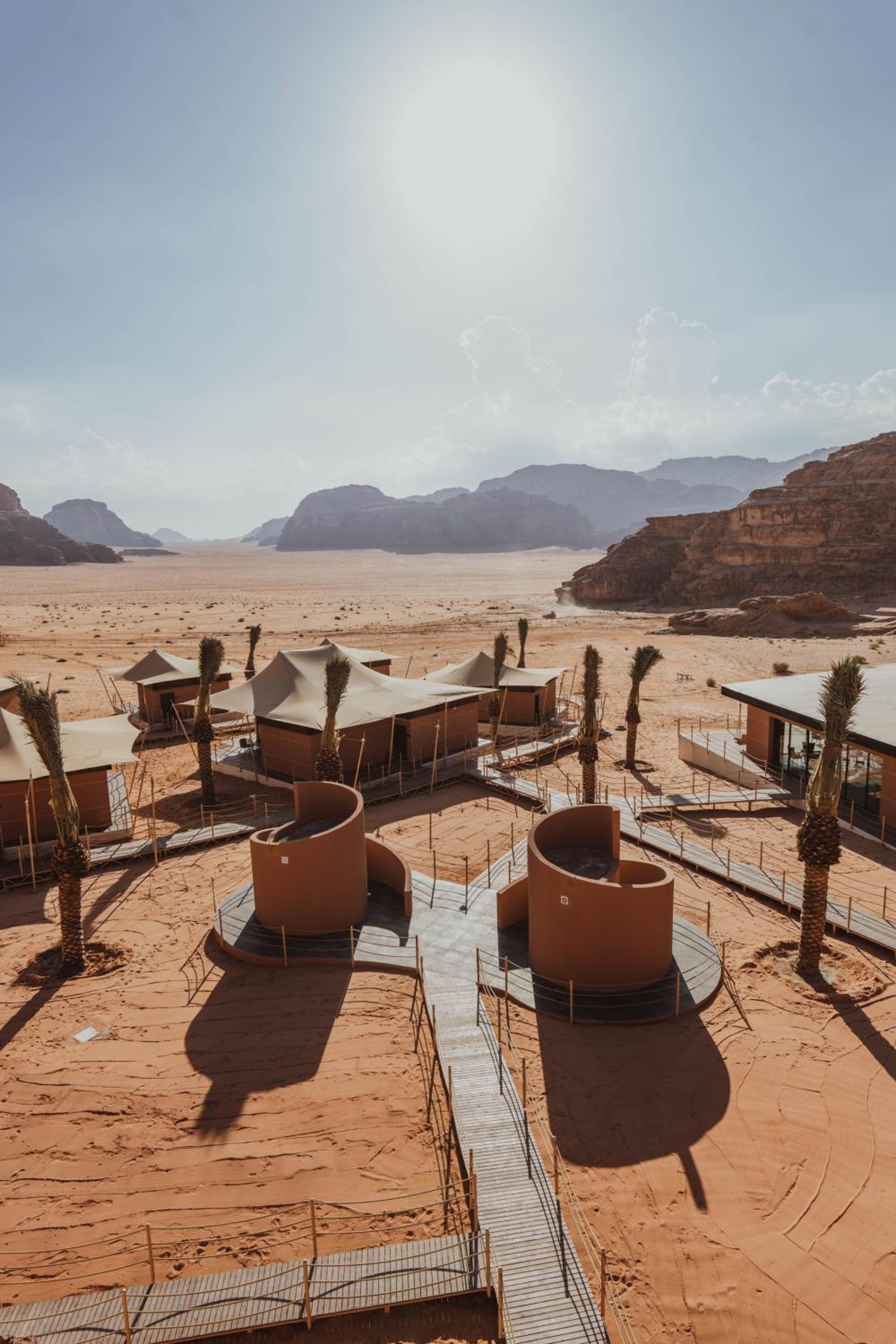
Book hotels and desert camps in Wadi Rum, Jordan for a stay among red sand dunes, sandstone cliffs, Bedouin-style camps, jeep trails, camel routes, rock bridges, canyons, ancient inscriptions, and some of Jordan’s clearest night skies. This protected desert destination places you near Wadi Rum Village, the Wadi Rum Visitor Centre, Jebel Rum, Jebel Umm Ishrin, Khazali Canyon, Lawrence Spring, Little Bridge, Umm Fruth Rock Bridge, Burdah Rock Bridge, and wide desert valleys used for jeep tours and stargazing.
Wadi Rum works especially well for travellers who want a desert experience rather than a normal city hotel stay. You can choose a camp inside or near the protected area for scenery, stay near Wadi Rum Village for easier arrival logistics, book around Disah for desert camp access, or combine Wadi Rum with Petra, Aqaba, and wider Jordan road trips.
Wide Selection
All property types
Compare stays
View available rates
Secure checkout
Powered by LiteAPI
Flexible options
Check cancellation terms by rate
Guest favorites with exceptional reviews and outstanding service
Top-rated accommodations offering excellent quality at competitive prices
Book hotels and desert camps in Wadi Rum, Jordan for a stay among red sand dunes, sandstone cliffs, Bedouin-style camps, jeep trails, camel routes, rock bridges, canyons, ancient inscriptions, and some of Jordan’s clearest night skies. This protected desert destination places you near Wadi Rum Village, the Wadi Rum Visitor Centre, Jebel Rum, Jebel Umm Ishrin, Khazali Canyon, Lawrence Spring, Little Bridge, Umm Fruth Rock Bridge, Burdah Rock Bridge, and wide desert valleys used for jeep tours and stargazing.
Wadi Rum works especially well for travellers who want a desert experience rather than a normal city hotel stay. You can choose a camp inside or near the protected area for scenery, stay near Wadi Rum Village for easier arrival logistics, book around Disah for desert camp access, or combine Wadi Rum with Petra, Aqaba, and wider Jordan road trips.
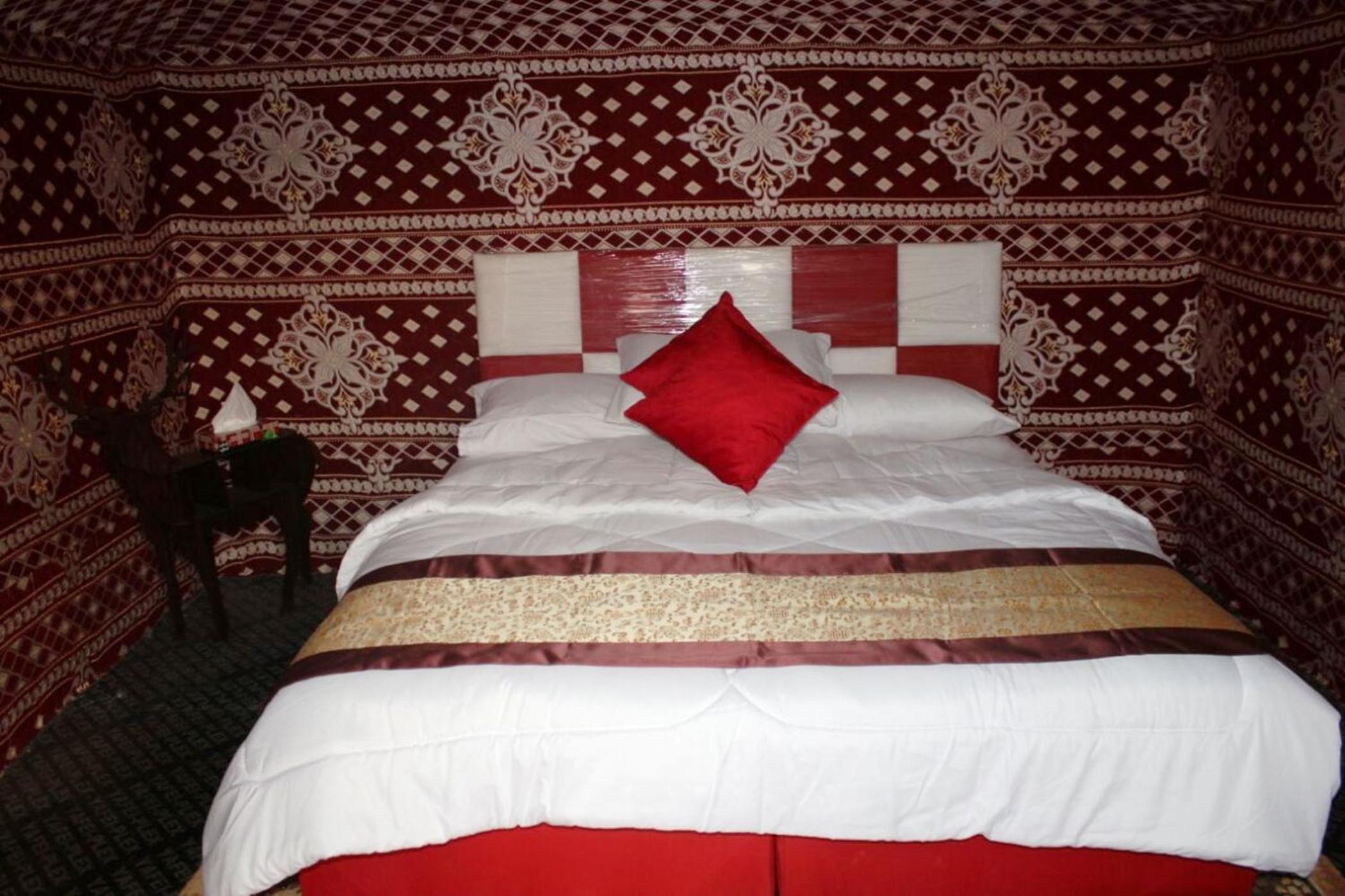
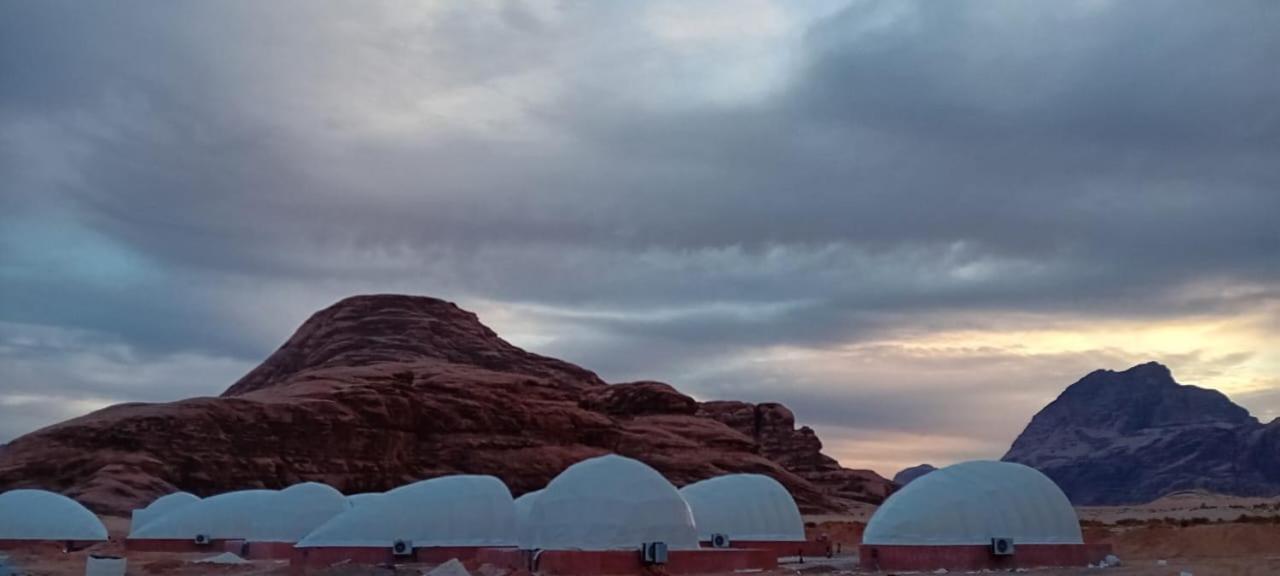
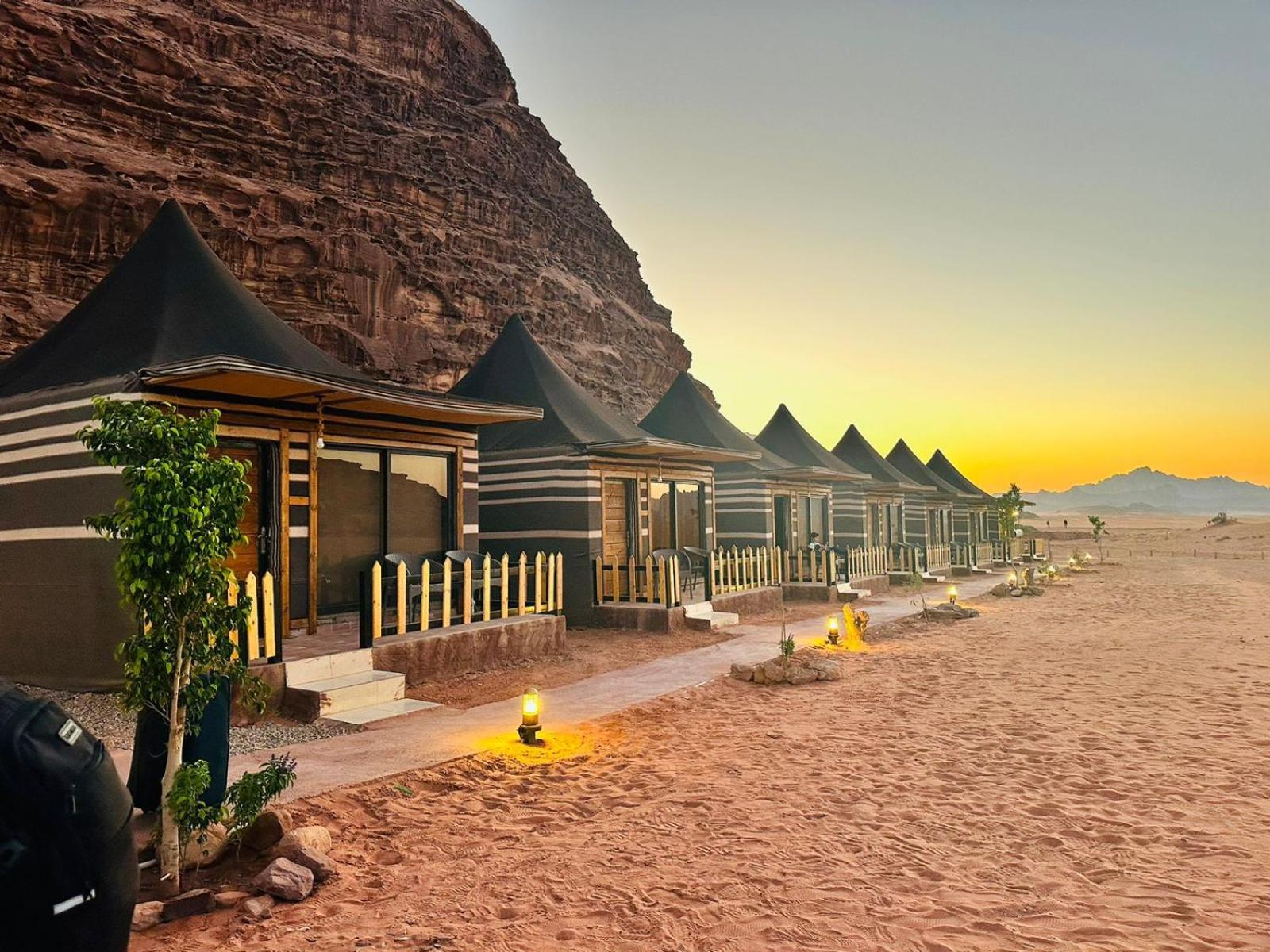
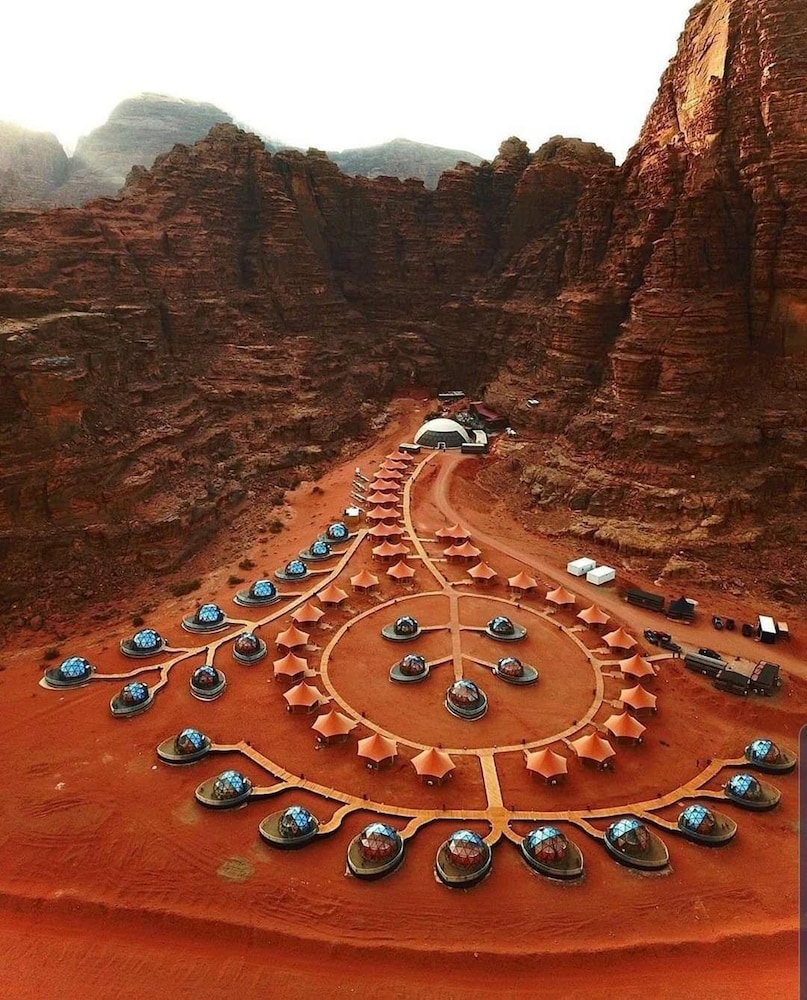
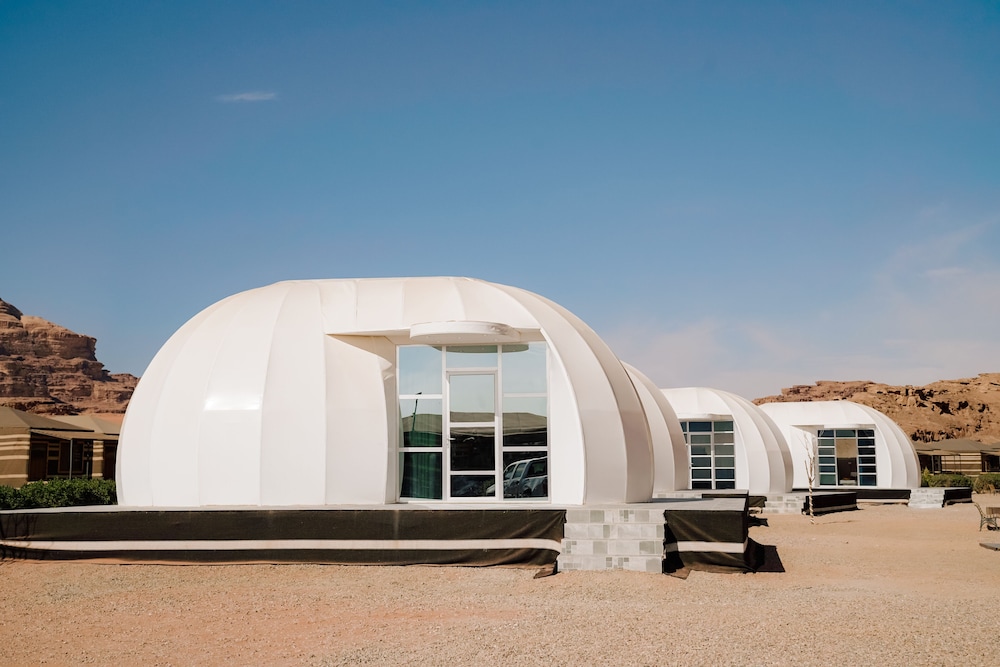
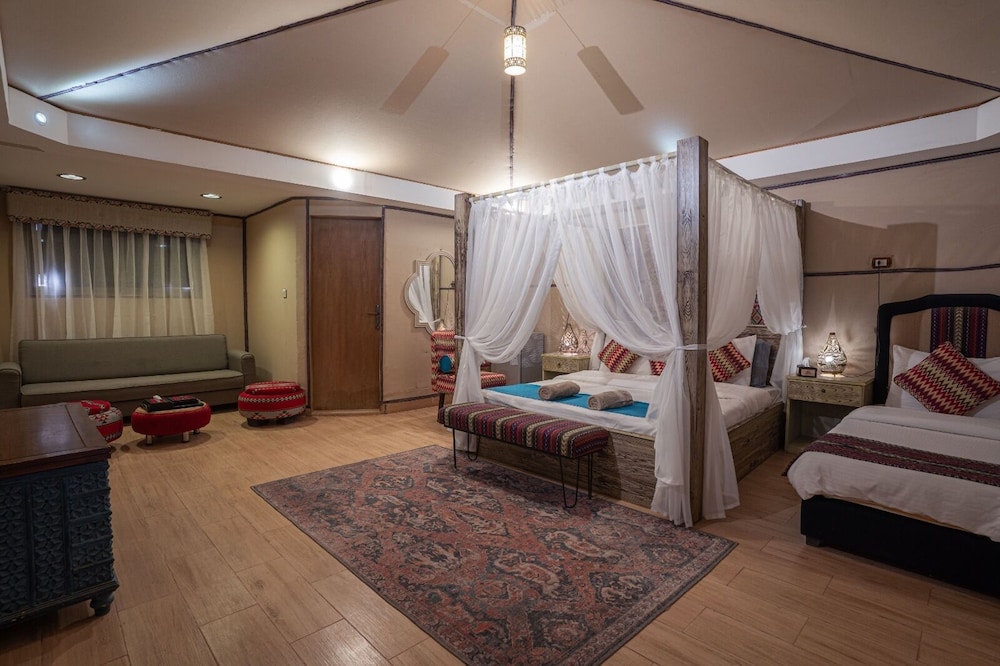
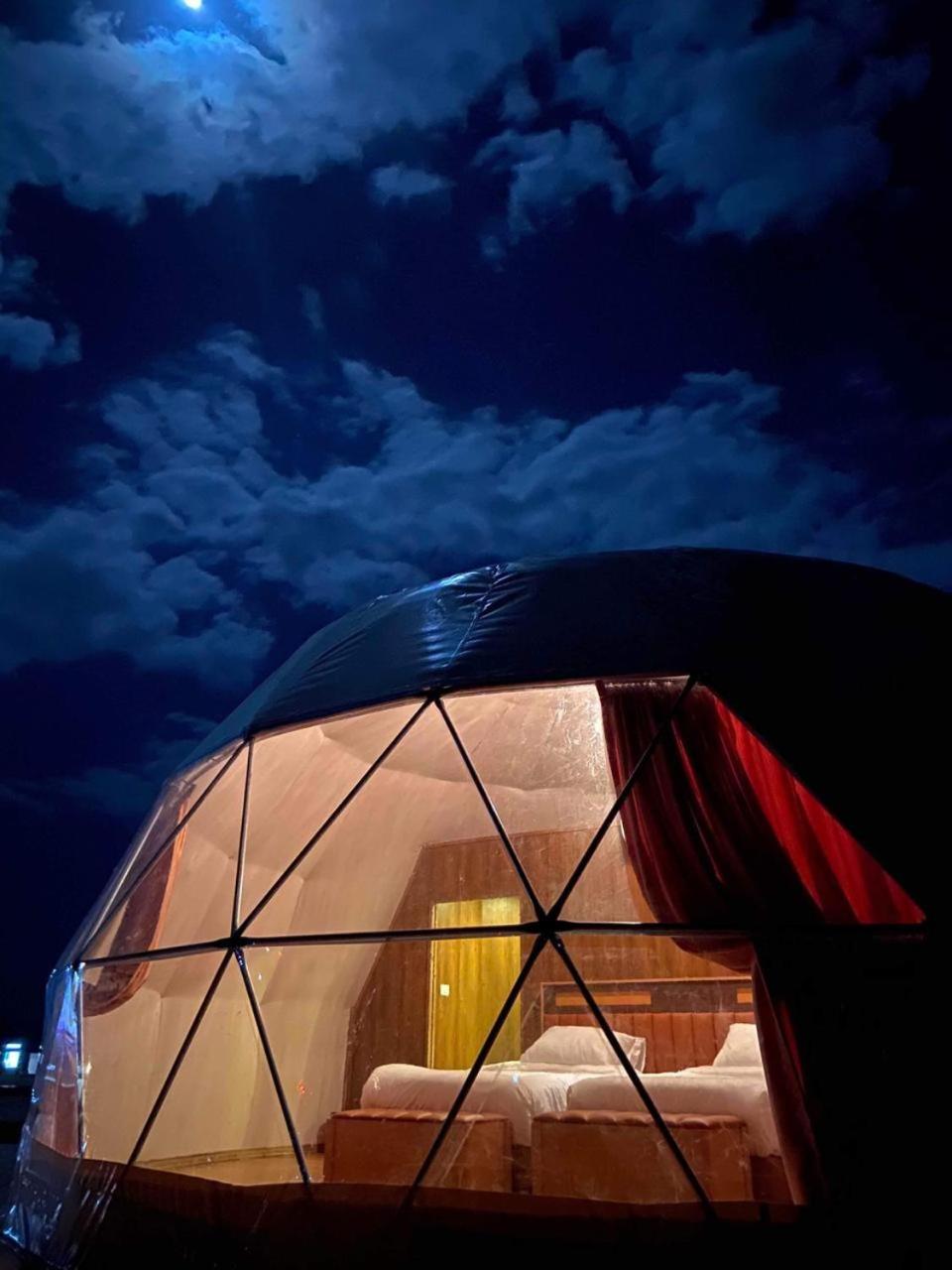
Wadi Rum is one of Jordan’s most memorable places to stay because the accommodation is part of the experience. Instead of a standard city hotel district, visitors usually choose desert camps, Bedouin-style tents, bubble camps, lodges, or simple guesthouses near the protected area.
Staying in Wadi Rum gives travellers more time in the desert. You can arrive before sunset, join a jeep tour, eat dinner at camp, watch the stars, wake up for sunrise, and explore canyons or rock bridges before the day becomes too hot.
Camps inside or near Wadi Rum Protected Area are ideal for travellers who want dramatic scenery close to their accommodation. These stays can place you near cliffs, dunes, sandy plains, and tour routes used for jeep rides, camel walks, hiking, photography, and stargazing.
Wadi Rum Village and the visitor centre area are more practical for arrivals, transfers, and meeting local camp operators. Many guests do not drive directly to remote camps without local guidance, so clear arrival details and transfer instructions matter more here than they would in a normal city.
Disah and nearby desert-edge areas can also be useful if the accommodation clearly serves Wadi Rum visitors. These areas may offer easier road access or camp-style stays with views toward the desert landscape.
The main hotels rule is simple. Wadi Rum accommodation should be in Wadi Rum or the immediate desert-stay area. Eilat, Aqaba, Petra, Amman, and Dead Sea hotels may be useful for other parts of a Jordan itinerary, but they should not appear as main Wadi Rum results.
Stay in or near Wadi Rum Protected Area if desert scenery is your main priority. This area is best for camps, jeep tours, camel rides, stargazing, sunrise views, sandstone cliffs, red dunes, and a stronger sense of being inside the landscape.
Wadi Rum Village is one of the most practical bases for arrival logistics. It works well for travellers meeting camp hosts, arranging transfers, buying supplies, and accessing the visitor centre and protected area routes.
The Wadi Rum Visitor Centre area is useful for first-time visitors because it is the main orientation point before entering the protected area. Accommodation or pickup points nearby can make arrivals easier, especially if you are coming from Aqaba, Petra, or Amman.
Wadi Rum’s desert camp areas are the classic choice for travellers who want to sleep under the stars, enjoy quiet evenings, and wake up near cliffs or dunes. Check the exact location, pickup process, meal arrangements, and transfer details before booking.
Disah and Al Disah can be useful for travellers choosing desert camps on the wider edge of Wadi Rum. These areas can work well when the camp clearly serves Wadi Rum experiences and offers practical transfers or tour access.
The Jebel Rum and Jebel Umm Ishrin areas are strong choices for travellers who want dramatic mountain scenery, photography, and access to classic desert routes. Camps nearby should be genuinely Wadi Rum-focused.
The Khazali Canyon access area can suit travellers who want to stay close to one of Wadi Rum’s most visited canyon and inscription sites. It works best as part of a guided camp or jeep-tour itinerary.
Areas near Little Bridge, Umm Fruth Rock Bridge, Burdah Rock Bridge, Burrah Canyon, and Abu Khashaba Canyon work well for travellers who plan to spend time on longer desert routes. These are camp and tour areas, not normal hotel neighbourhoods.
Aqaba is a common arrival or onward travel point for Wadi Rum, but Aqaba hotels should not appear as main Wadi Rum accommodation. Stay in Aqaba for Red Sea beaches, and stay in Wadi Rum for the desert.
Petra is often combined with Wadi Rum, but Petra and Wadi Musa hotels should stay on the Petra page. Wadi Rum accommodation should focus on camps and stays in the desert area.
Wadi Rum Protected Area is the main reason travellers stay here. It offers red sand valleys, sandstone cliffs, narrow gorges, natural arches, rock inscriptions, desert camps, jeep routes, and wide open landscapes.
The Wadi Rum Visitor Centre is the usual starting point for many visits. It is useful for orientation, entry arrangements, meeting guides, and confirming camp transfers before heading deeper into the desert.
Wadi Rum Village is the practical gateway to the protected area. Travellers often meet guides, camp hosts, and transfer vehicles here before continuing toward desert camps.
The red sand dunes are among Wadi Rum’s most recognisable sights. Travellers visit for photography, short climbs, sunset views, and the classic desert colour that makes the area famous.
Wadi Rum’s sandstone cliffs create the dramatic scale of the desert. They frame many camps, jeep routes, walking trails, and viewpoints, making location important when choosing accommodation.
Jebel Rum is one of the area’s major mountain landmarks. It is important for scenery, climbing history, local orientation, and classic views near Wadi Rum Village.
Jebel Umm Ishrin is another major rock massif in Wadi Rum. It forms part of the area’s dramatic desert backdrop and is often seen on jeep routes and camp itineraries.
Khazali Canyon is a narrow canyon known for rock inscriptions and shaded walking sections. It is a common stop on jeep tours and a useful landmark when planning a desert route.
Lawrence Spring is one of Wadi Rum’s classic tour stops. Travellers often visit for views, history-linked storytelling, and its position on many half-day and full-day routes.
Lawrence House is another well-known Wadi Rum stop connected with local tour routes and historic associations. It is usually visited as part of a guided jeep itinerary.
Little Bridge is one of the easier natural rock bridges to visit. It works well for travellers who want a short climb, desert views, and photos without a long hike.
Umm Fruth Rock Bridge is one of Wadi Rum’s most popular rock bridge stops. It is often included in jeep tours and gives visitors a memorable viewpoint over the desert.
Burdah Rock Bridge is one of the more dramatic rock formations in Wadi Rum. Reaching it usually requires more time and planning, so it suits active travellers and guided trips.
Burrah Canyon is useful for travellers who want canyon scenery, hiking routes, and a deeper desert experience beyond the most basic jeep stops.
Anfashieh Inscriptions give travellers a closer look at the human history of Wadi Rum. They show why the area is culturally important as well as visually spectacular.
The Nabataean Temple near Wadi Rum Village adds archaeological context to the desert stay. It is useful for travellers interested in ancient routes, trade, and settlement history.
The Seven Pillars of Wisdom is one of the most recognisable rock formations near the visitor centre approach. It gives travellers a dramatic first impression of Wadi Rum’s scale.
Jeep tours are one of the most common ways to explore Wadi Rum. They help travellers reach dunes, canyons, rock bridges, inscriptions, viewpoints, and remote camp areas.
Stargazing is one of Wadi Rum’s strongest overnight experiences. Staying in the desert gives travellers a better chance to enjoy dark skies away from city lights.
Wadi Rum is a year-round destination, but the best time to visit depends on heat, overnight temperatures, hiking plans, stargazing, and how much time you want to spend outdoors.
Spring, especially March to May, is one of the best times to visit. The weather is usually more comfortable for jeep tours, short hikes, camel rides, photography, and camping than during the hottest months.
Autumn, especially September to November, is another excellent season. Days are usually easier for desert activities, and nights can be pleasant for camp stays and stargazing.
Winter can be beautiful but cold at night. It can work well for travellers who want fewer crowds, crisp skies, desert photography, and quieter camp experiences. Pack warm layers if staying overnight.
Summer can be extremely hot during the day. If you visit in summer, choose accommodation carefully, plan activities early or late, drink plenty of water, and avoid demanding hikes during peak heat.
Book earlier during spring, autumn, Jordanian holidays, busy tour periods, and peak Jordan itinerary seasons. Wadi Rum camps vary widely in style and location, so early booking helps you choose the right desert experience.
Discover hotels in other popular cities around the world