9.3
4
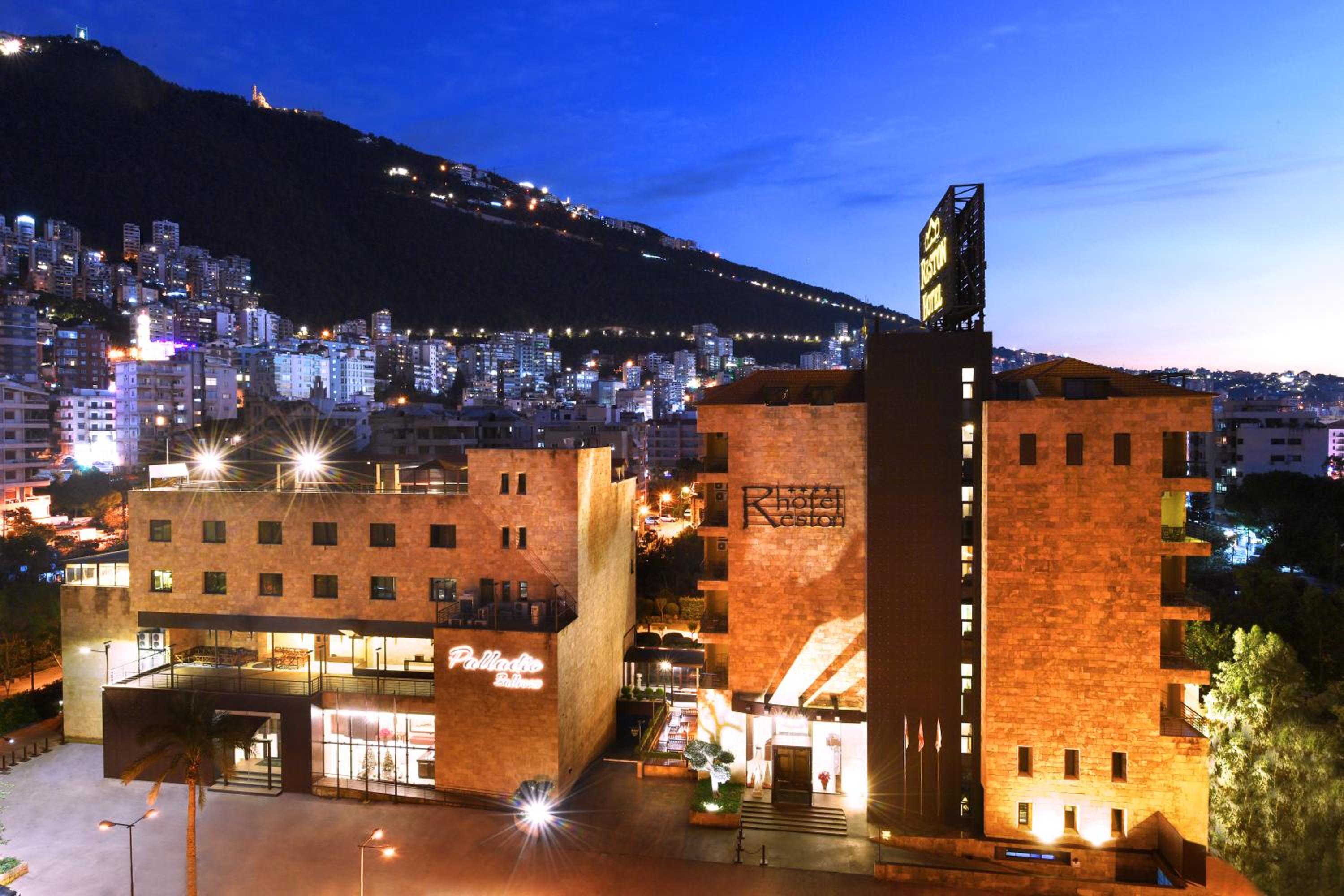
Reston Hotel
Maameltein Sea Road, before Teleferique, Jounieh
92 reviews
Check availability
View Details
Find hotels in Tripoli, Lebanon's historic northern port city, close to the old souks, Citadel of Raymond de Saint-Gilles, Al-Mansouri Great Mosque, El Mina, traditional khans, hammams, local sweets, and road links to Batroun, Byblos, Bcharre, and Qadisha Valley.
Northern Lebanon’s historic port city—dense old quarters, Mamluk architecture, and a strong local urban character.
Wide Selection
All property types
Compare stays
View available rates
Secure checkout
Powered by LiteAPI
Flexible options
Check cancellation terms by rate
Direct Tripoli / El Mina hotel options can be limited. Compare labelled North Lebanon and coastal alternatives below — always verify the map pin and driving time to the old souks, citadel, and waterfront.
When direct Tripoli / El Mina hotel options are limited, Kesrouan and Greater Beirut coastal bases (for example Jounieh, Tabarja, Maameltein) or Byblos / Batroun / Faraya corridor stays may appear below as labelled regional alternatives.
Verify each address and map pin — driving time to Tripoli old souks, the citadel, and El Mina varies widely. This Lebanon Tripoli page excludes Libya; unrelated distant listings are not shown.
Guest-rated picks toward Batroun, Byblos / Jbeil, Jounieh, Anfeh, Bcharre corridor bases, or other labelled North Lebanon alternatives — verify driving time to Tripoli old city before booking.
Upscale hotels outside Tripoli’s historic core — confirm driving time to the souks, Citadel of Raymond de Saint-Gilles, and El Mina before booking.
Sharper nightly rates on labelled North Lebanon corridor bases — not walking distance to Tripoli souks or citadel unless the address confirms it.
Tripoli is Lebanon’s historic northern port city and one of the country’s richest urban heritage destinations. It is known for its old souks, Mamluk architecture, traditional khans, hammams, mosques, local sweet shops, sea-facing El Mina district, and the large Citadel of Raymond de Saint-Gilles above the old city.
Hotels in Tripoli work best for travellers who want to experience northern Lebanon beyond the more familiar coastal stops of Beirut, Byblos, and Batroun. Staying overnight gives you more time to explore the souks, visit the citadel, walk through the old city, enjoy Tripoli’s famous sweets, and continue toward El Mina or the coast without rushing.
Tripoli is also practical for wider North Lebanon itineraries. It can work as a base for Batroun, Anfeh, Bcharre, Qadisha Valley, the Cedars of God, and mountain routes inland from the coast. Use BooksyGo to compare Tripoli hotels by guest rating, price, facilities, and location. Check the address carefully, especially if you want to stay in Tripoli itself rather than in Jounieh, Byblos, Faraya, Beirut, or another nearby regional destination.
The old city and souks area is the best place to stay if Tripoli’s heritage is the main reason for your visit. This area puts you close to narrow market streets, khans, hammams, mosques, soap shops, tailors, bakeries, and the historic urban fabric that gives Tripoli its strongest identity.
Choose this area if you want to explore on foot and experience the city’s local character. Before booking, check access, parking, and walking distance carefully because older streets can be busy, narrow, and less convenient for vehicles.
The area around the Citadel of Raymond de Saint-Gilles and Al-Mansouri Great Mosque works well for travellers focused on Tripoli’s major landmarks. Staying nearby can make it easier to combine the citadel, old souks, mosques, madrassas, and hammams in one walking route.
This area suits first-time visitors, culture-focused travellers, photographers, and guests who want to spend more time in the historic core.
El Mina is a good option if you want a more coastal Tripoli stay. This area offers sea air, waterfront walks, seafood restaurants, harbour atmosphere, and access to the islands and port-side parts of the city.
Choose El Mina if you prefer a slightly more open setting than the old city while keeping central Tripoli within reach by taxi or car.
Tripoli’s central and commercial areas suit travellers who want practical access to transport, shops, restaurants, banks, and everyday services. This can work well for business travel, family visits, short stays, and guests who want a simple base rather than a heritage-focused location.
Choose this area if convenience matters more than old-city atmosphere.
Hotels near main road links can be practical if you are using Tripoli as a base for northern Lebanon. These areas may be less atmospheric, but they can make driving to Batroun, Anfeh, Bcharre, Qadisha Valley, the Cedars, or Beirut simpler.
This area suits road-trip travellers, business guests, and visitors planning several day trips.
Some hotels in Jounieh, Byblos, Batroun, Faraya, or other parts of Lebanon may be useful for wider itineraries, but they must not be presented as direct Tripoli hotels.
If these hotels are used as wider-area hotels, label them clearly as nearby regional alternatives rather than “Hotels in Tripoli.”
Tripoli rewards travellers who enjoy old cities, architecture, markets, food, and less polished urban heritage. Staying nearby makes it easier to explore slowly instead of treating the city as a quick stop.
The Citadel of Raymond de Saint-Gilles is one of Tripoli’s most important landmarks. The fortress rises above the old city and gives visitors a strong sense of Tripoli’s layered history, defensive position, and urban scale.
Tripoli’s old souks are among the city’s best reasons to stay overnight. The market streets include crafts, food, textiles, soap, spices, bakeries, and traditional urban life that feels very different from Lebanon’s resort-style coastal towns.
Al-Mansouri Great Mosque is one of Tripoli’s major religious and architectural landmarks. It sits within the old city and pairs naturally with a walking route through the nearby souks, khans, and historic streets.
Khan Al-Khayyatin, also known as the Tailors’ Khan, is one of Tripoli’s distinctive historic commercial spaces. It adds depth to a walking route focused on the old city’s trade, craft, and market traditions.
Khan Al-Saboun, the Soap Khan, reflects Tripoli’s long association with traditional soap-making and local craft culture. It is a useful stop for travellers who want more than the standard landmark route.
Tripoli’s old hammams help show how social life, bathing culture, and architecture shaped the historic city. Some may be visited as heritage stops depending on access and current conditions.
Taynal Mosque is one of Tripoli’s notable Mamluk landmarks. It is especially useful for travellers interested in architecture, Islamic heritage, and the city’s historic religious buildings.
El Mina gives Tripoli a coastal dimension. It offers harbour atmosphere, seafood restaurants, sea views, and access to the wider waterfront side of the city.
Rachid Karami International Fair is one of Tripoli’s most important modern architectural sites. Designed by Oscar Niemeyer, it adds a completely different layer to the city’s identity beyond the old souks and Mamluk landmarks.
The Palm Islands area sits offshore from Tripoli and adds a nature-focused option to a city stay, depending on season, access, and local conditions.
Tripoli can also support wider North Lebanon itineraries. Batroun works well for beaches and old-town coastal dining, while Bcharre and Qadisha Valley connect Tripoli to mountain scenery, religious heritage, and the Cedars region.
The best times to visit Tripoli are spring and autumn. April to June and September to November usually bring comfortable conditions for walking through the old souks, visiting the citadel, exploring El Mina, and taking day trips around northern Lebanon.
Summer can be warm and busy along the coast, especially if your trip includes El Mina, Batroun, Anfeh, or other seaside stops. Choose accommodation with air conditioning and check parking if you plan to drive. Winter is quieter and can still work for food, culture, business travel, and heritage sightseeing, although rain may affect walking routes and mountain day trips.
Book earlier if you plan to visit during peak Lebanon travel periods, weekends, holidays, or summer coastal season. If the available hotels are outside Tripoli, check the exact address and driving distance before booking.
Discover hotels in other popular cities around the world