9.6
4
Book the Perfect Stay in Salta
Colonial “Salta la Linda”—plazas, high-desert road-trip starts, and strong northwest food identity.
Wide Selection
All property types
Compare stays
View available rates
Secure checkout
Powered by LiteAPI
Flexible options
Check cancellation terms by rate
Guest favorites with exceptional reviews and outstanding service
Premium 5-star hotels offering world-class amenities and unparalleled comfort
Top-rated accommodations offering excellent quality at competitive prices
Salta is one of Argentina’s most rewarding northern city destinations, combining a preserved historic centre, Plaza 9 de Julio, colonial architecture, museums, churches, local restaurants, markets, mountain views, airport access, rail-linked excursions, and routes into the Calchaquí Valleys and the wider northwest. Choosing where to book hotels in Salta is not only about finding a room near the main square. It is about choosing the right base for how you want to experience the city centre, Cerro San Bernardo, Balcarce, San Lorenzo, the airport, and regional day trips across Salta Province.
One of the biggest reasons to stay in Salta Argentina is the balance between walkable city culture and wider regional access. Centro Histórico works well for first-time visitors who want Plaza 9 de Julio, the Cathedral, the Cabildo, MAAM, San Francisco, cafés, restaurants, shops, and museums close to the hotel. Balcarce and the train-station side can suit travelers who want a practical base for rail-linked plans and evening restaurants. Cerro San Bernardo and Monumento Güemes-side stays offer a different setting near viewpoints and greener edges, while San Lorenzo and airport-area hotels serve very different travel purposes.
Location matters in Salta because the city is compact in the centre but spread across several different stay styles. A central hotel can make restaurants, museums, plazas, churches, and evening walks easier, but it is not the same as staying near San Lorenzo or the airport. A hotel in San Lorenzo can feel calmer and greener, but it requires transport for Plaza 9 de Julio and most city sightseeing. A regional hotel in Cafayate, Cachi, or the Calchaquí Valleys can be excellent for a separate road trip, but it should not be treated as a Salta city hotel.
Salta also works for several trip styles. A short stay can focus on Plaza 9 de Julio, MAAM, the Cabildo, San Francisco, Cerro San Bernardo, Balcarce, local restaurants, and a central walking base. A longer stay can add San Lorenzo, Tren a las Nubes-linked logistics, Cafayate, Quebrada de las Conchas, Cachi, the Calchaquí Valleys, Jujuy, Purmamarca, and other northwest routes. That mix of city culture, mountain scenery, museums, food, transport, and varied hotel choice makes Salta a strong destination for couples, families, solo travelers, business visitors, road-trip travelers, culture-focused guests, and first-time visitors to northwest Argentina.
Choosing where to stay in Salta can shape the whole trip. Some areas are best for walkability, plazas, museums, churches, and first-time sightseeing, while others work better for restaurants, rail-linked plans, quieter streets, airport logistics, family travel, or regional road trips. The best place to stay in Salta depends on whether you want the historic centre, a restaurant-focused base, a hillside setting, a quieter San Lorenzo stay, or a practical airport-side hotel.
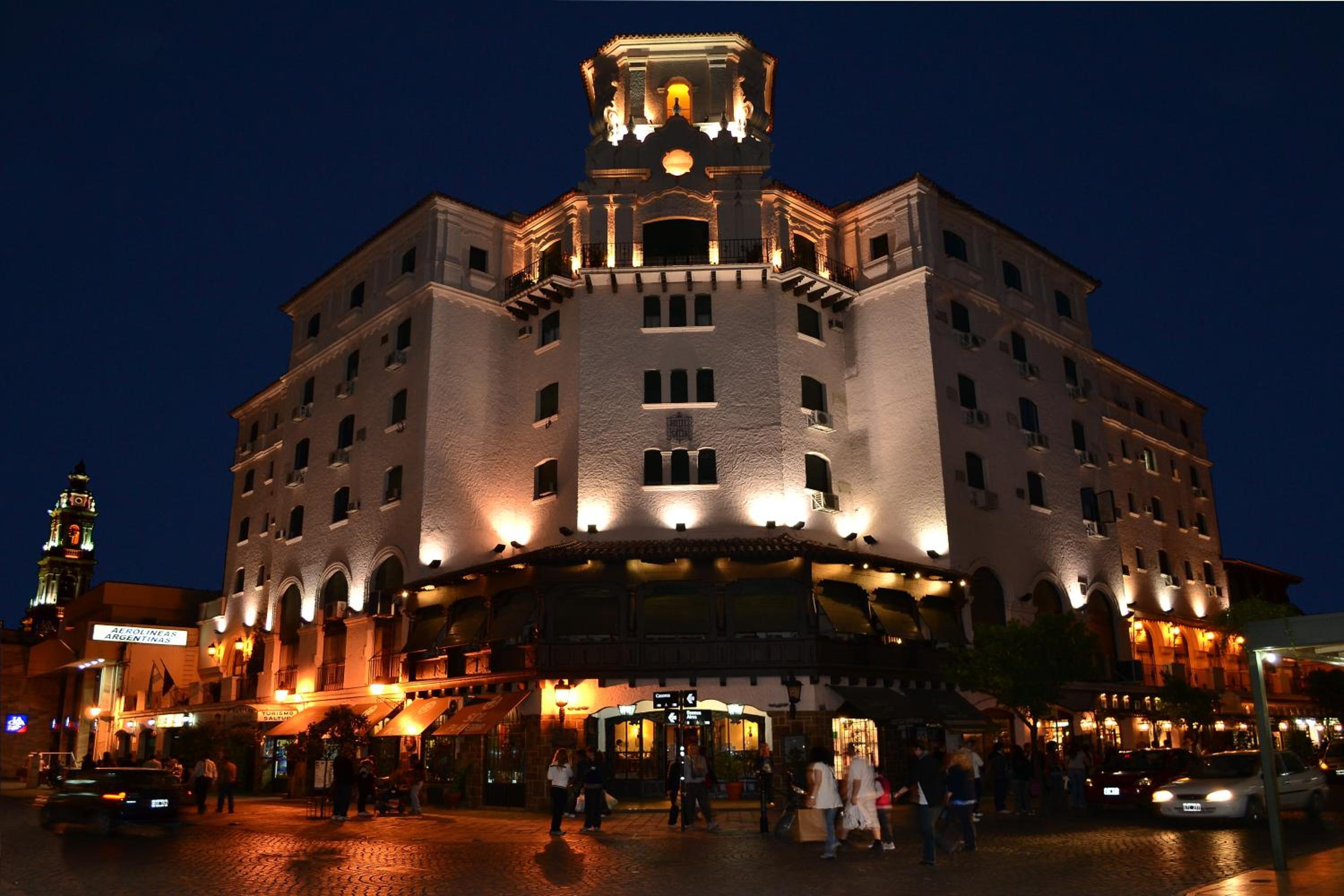
Centro Histórico and Plaza 9 de Julio are among the best areas to stay in Salta for first-time visitors who want the Cathedral, Cabildo, MAAM, cafés, restaurants, shops, museums, and classic city sightseeing close to the hotel. This area works especially well for short stays, travelers without a car, culture-focused visitors, and guests who want easy evening walks. It can feel busy around the main square, so guests should check exact street, room position, parking, and noise before booking.
The Cathedral, Cabildo, and MAAM area is ideal for travelers who want Salta’s strongest cultural sights within the easiest walking range. Hotels here work well for museum-focused visitors, couples, families, solo travelers, and guests who want a central base with immediate access to landmarks. This area should not be described as a quiet hillside or regional stay. Guests should check stairs, parking, street noise, and how close the property sits to the square.
Caseros Street and the San Francisco side can be useful for travelers who want central restaurants, churches, shops, cafés, and historic streets near Plaza 9 de Julio but not necessarily directly on the square. This area works well for first-time visitors, couples, and guests who want walkability with slightly different central character. It is still part of the city centre, so parking and street activity should be checked. Exact location matters because central Salta changes quickly from block to block.
Balcarce and the train station side can suit travelers who want restaurants, practical transport access, rail-linked plans, and a base that remains close to the centre without being directly on Plaza 9 de Julio. This area can work for short stays, groups, couples, and travelers who want a more practical evening district. It should not be described as the same as the Cathedral area or San Lorenzo. Guests should check noise, event activity, walking distance, and transport plans before booking.
Cerro San Bernardo and the Monumento Güemes side can work well for travelers who want greener edges, viewpoint access, quieter streets, and a different setting from the main square. This area suits couples, families, longer stays, and guests who want to be near the hillside atmosphere while still reaching the historic centre with planned walking, taxis, or rideshare. It is not the same as staying on Plaza 9 de Julio, so guests should check slopes, routes, transport, and evening convenience.
Tres Cerritos and northern Salta can be useful for travelers who want quieter residential streets, larger accommodation, parking, family stays, business access, or a calmer base outside the busiest central blocks. This area works well for longer stays, guests with a car, repeat visitors, and families who value space over immediate landmark access. It should not be described as Centro Histórico. Travelers should plan transport for Plaza 9 de Julio, museums, Balcarce, and central restaurants.
San Lorenzo is a good choice for travelers who want a greener and calmer stay outside Salta city centre. It works well for families, couples, longer stays, road-trip travelers, and guests who prefer space, gardens, cooler-feeling surroundings, or a more relaxed base. San Lorenzo is not a central Salta hotel area, so guests should factor in transport to Plaza 9 de Julio, MAAM, the bus terminal, airport, and city restaurants before booking.
Martín Miguel de Güemes airport-area hotels and southern access stays can be useful for early flights, late arrivals, car rentals, short stopovers, business travel, and road-trip logistics. Martin Miguel de Guemes Airport is a frequent unaccented spelling in search. They are not central sightseeing hotels, so guests should not expect to walk to Plaza 9 de Julio, MAAM, Balcarce, Cerro San Bernardo, or San Lorenzo. Some hotels sit toward El Aybal-side access—treat those listings like other peripheral logistics bases, not Plaza 9 de Julio hotels. This type of stay works best when flight timing, parking, or road access matters more than city atmosphere.
Some Salta searches may include Cafayate, Cachi, Molinos, or other Calchaquí Valley accommodation. These places can be excellent for separate road trips, valley scenery, heritage towns, and regional stays, but they are not Salta city hotels. Guests choosing these areas should factor in travel time, road access, parking, and whether they want to stay in Salta city itself or use a different regional base. Keep all valley references broad and hotel-location-focused.
Some hotel searches may include Purmamarca, Tilcara, Humahuaca, Jujuy, Tucumán, or other northwest Argentina accommodation. These places can be useful for wider itineraries, but they are not Salta city hotels. Guests choosing them should understand the extra travel time and the different travel purpose. They should be presented as nearby or regional northwest Argentina hotels rather than central Salta accommodation.
Salta combines a walkable historic centre, museums, churches, plazas, hillside viewpoints, transport hubs, green suburbs, and regional routes into the valleys and northwest Argentina. That makes hotel location especially important. Staying in the right part of Salta can reduce transfer time, simplify museum visits, support airport or road-trip logistics, and help travelers avoid booking a hotel far from the experience they actually want.
Plaza 9 de Julio and the Cathedral are central to the classic Salta experience. Hotels nearby work well for travelers who want cafés, restaurants, the main square, museums, churches, shops, and evening walks close to the room. This area is especially practical for first-time visitors and short stays. It should not be confused with San Lorenzo, airport-area stays, or regional valley accommodation. Exact street, room position, and parking matter.
The Cabildo and Museo Histórico del Norte are key reasons to stay near Plaza 9 de Julio or the historic centre. Hotels close to this area make it easier to explore Salta’s colonial architecture, civic history, and central streets without relying on taxis for every outing. This area works well for culture-focused visitors, families, and travelers who want landmarks close together. Guests should check museum hours and central walking routes before building plans around specific visits.
MAAM is one of Salta’s most important museum stops and a major anchor for visitors choosing central hotels. Staying near the main square, Cathedral, or Caseros Street can make museum visits easier to fit around meals, short walks, and other central attractions. This area is useful for first-time visitors, culture-focused travelers, and families. It should not be described as a regional or mountain-side stay, even though Salta is a gateway to wider Andean routes.
San Francisco Church and Caseros Street add colour, architecture, cafés, restaurants, and walkable city atmosphere to a Salta stay. Hotels in this part of the centre can work well for travelers who want historic streets, churches, central dining, and easy movement around Plaza 9 de Julio. This area is still central and may be active, so travelers should check noise, parking, and exact hotel location before booking.
Cerro San Bernardo and the teleférico area are important for views and a different sense of the city’s setting, but they should not be described as walkable from every Salta hotel. Hotels near the hillside, Monumento Güemes, or Parque San Martín side can make this area easier to include, while central hotels can still work with planned walking, taxis, or short transfers. Keep viewpoint and outdoor references broad, responsible, and hotel-location-focused.
Balcarce and the train station side are useful for travelers who want restaurants, evening activity, and practical access to rail-linked plans. Hotels near this area can work well for visitors who want a base close to the centre but not directly on Plaza 9 de Julio. This area should not be oversold as quiet or purely family-focused. Guests should check event activity, street noise, walking routes, and transport options before booking.
San Lorenzo adds a greener and quieter option to a Salta itinerary. Hotels in San Lorenzo or northern residential areas can work well for families, couples, longer stays, and travelers with a car or planned transport. This area is not central Salta, so guests should not expect easy walks to Plaza 9 de Julio, MAAM, or Balcarce. It works best when calm, space, and road access matter more than immediate historic-centre walkability.
Tren a las Nubes-linked plans are a major reason some travelers choose Salta, but the experience requires planning and should not be treated as a simple walk from most hotels. Hotels near the centre, Balcarce, or the station side can be practical depending on the departure arrangements. Do not infer schedules or routing from hotel proximity alone—confirm details with operators and keep this guidance broad and hotel-location-focused.
Cafayate, Cachi, Quebrada de las Conchas, and the Calchaquí Valleys are important regional anchors for many Salta itineraries, but they are not Salta city neighbourhoods. A Salta city hotel can work before or after a regional road trip, while Cafayate or Cachi stays should be framed as separate valley accommodation. Keep all valley references broad and cultural. Do not turn the page into alcohol-focused or road-instruction content.
Purmamarca, Humahuaca, Jujuy, Salinas Grandes, and wider northwest routes can be part of a longer trip, but they are not central Salta hotel districts. A Salta hotel can be useful as an arrival, departure, or city base, while regional hotels should be treated as separate hotels. Travelers should factor in travel time, transport, weather, and road planning before choosing a city hotel for regional routes. Keep this section hotel-focused and non-instructional.
Salta is a year-round destination, but the best time to visit depends strongly on the kind of trip you want. Some travelers come for historic streets, museums, churches, restaurants, and city walks, while others focus on regional road trips, valley scenery, rail-linked excursions, family travel, business visits, or airport logistics. Hotel demand, rain, heat, holidays, regional events, school breaks, and transport plans can all affect the best time to book.
April to June can be one of the most comfortable times to visit Salta for city walks, museums, plazas, restaurants, and regional exploring. These months often work well for first-time visitors, couples, families, and travelers who want a balanced city-and-region itinerary. Hotel demand can rise around long weekends and event periods, so guests with fixed dates should compare Centro Histórico, Balcarce, Cerro San Bernardo-side, San Lorenzo, and airport-area options early.
July to August is a popular period for northwest Argentina travel, with strong interest in Salta city, regional routes, family holidays, and cooler-season exploring. Central hotels can be useful for restaurants and museums, while San Lorenzo and regional stays may appeal to travelers who want a calmer base. Demand can rise during winter holiday periods, so travelers should book early if they want specific central or boutique hotels. Weather and regional plans should be checked before relying on outdoor-only itineraries.
September to November can be a strong time to stay in Salta for city culture, restaurants, museums, and broader northwest routes. This period works well for couples, first-time visitors, road-trip travelers, and guests who want a comfortable balance between central sightseeing and regional excursions. Hotel choice should match the itinerary: Centro for walkability, Balcarce for restaurants and station-side convenience, San Lorenzo for calm, or airport-side stays for logistics.
December to March brings warmer and wetter conditions in many parts of the region, so flexible planning and hotel comfort matter. This period can still work well for city stays, family visits, business travel, airport logistics, and guests who prioritise restaurants, museums, and central services. Travelers should compare air conditioning, shaded spaces, pools, parking, and transport carefully. Regional routes may require more flexibility, so avoid booking hotels based on outdoor-only assumptions.
Salta can work throughout the year, but the right time depends on whether the trip is focused on the historic centre, museums, restaurants, rail-linked plans, road trips, family travel, business, or broader northwest Argentina routes. Autumn, winter, and spring are especially useful for city-and-region trips, while summer can still work for flexible travelers who choose the right hotel location, comfort level, and transport plan.
Discover hotels in other popular cities around the world