9.0
5
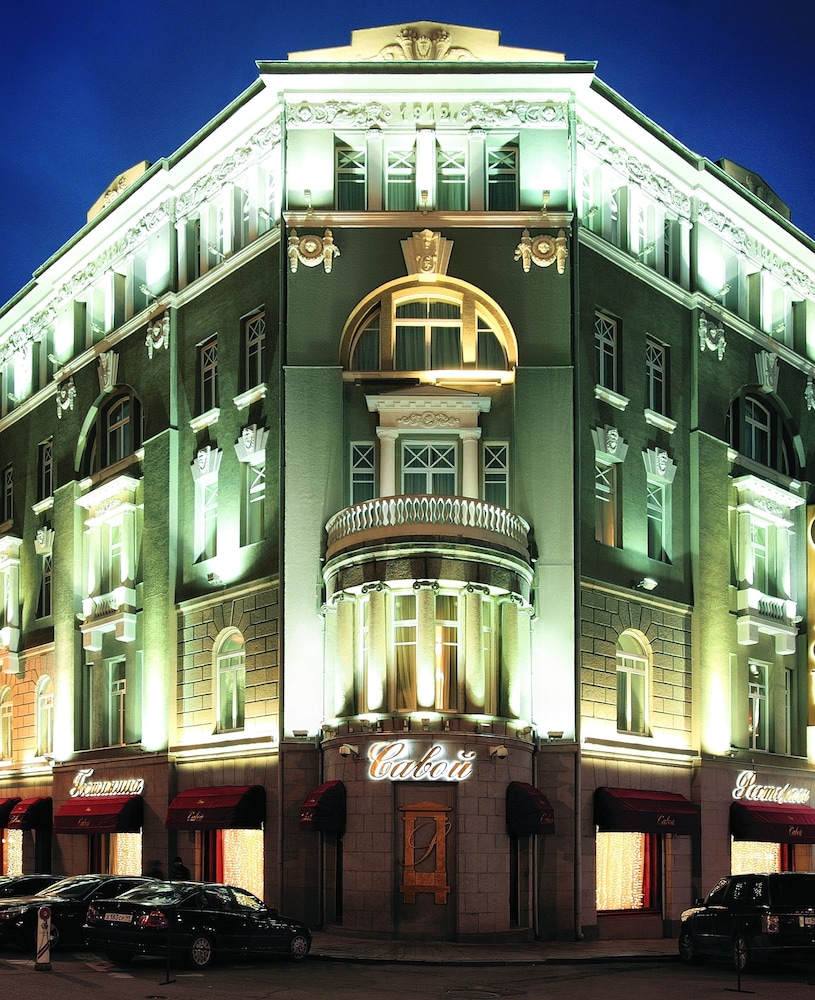
Hotel Savoy Moscow
3/6, bld.1, Rozhdestvenka Street, Moscow, 109012
116 reviews
Check availability
View Details
Book the Perfect Stay in Moscow
Russia's capital showcases Red Square, Kremlin, and world-class museums.
Wide Selection
All property types
Compare stays
View available rates
Secure checkout
Powered by LiteAPI
Flexible options
Check cancellation terms by rate
Guest favorites with exceptional reviews and outstanding service
Hotels in Moscow work best when the location matches the way you plan to move through the city. Moscow is large, layered, and metro-led. A stay near Red Square feels completely different from a stay near Tverskaya, Arbat, Patriarch’s Ponds, Zamoskvorechye, Belorussky Station, Moscow City, VDNKh, or one of the airport routes.
For many first-time visitors, the easiest areas to compare are the historic centre around Red Square and the Kremlin, Tverskaya and Teatralnaya, Kitay-Gorod, Arbat, and Zamoskvorechye. These areas keep major landmarks, museums, theatres, restaurants, metro stations, and historic streets within easier reach.
Travellers focused on art and culture may prefer Zamoskvorechye for the Tretyakov Gallery, Teatralnaya for the Bolshoi Theatre, or the central districts around the Kremlin and Pushkin Museum. Business travellers may prefer Moscow City, Belorussky, Tverskaya, Leningradsky Prospekt, Sokol, Aeroport, or a location close to the relevant meeting area.
Moscow also rewards careful transport planning. A hotel close to the right metro line can save time every day, especially if your plans include museums, theatres, railway stations, parks, business districts, and airport transfers. A beautiful central hotel may still be less practical if it is awkward for your arrival or daily route.
The best Moscow hotel is not simply the closest one to Red Square. It is the hotel that gives you the right balance of historic atmosphere, metro access, comfort, museums, theatres, business convenience, station access, airport timing, quiet, and the kind of Moscow stay you actually want.
The Red Square and Kremlin area is one of the best areas to stay in Moscow for first-time visitors who want the city’s most famous landmarks close by. It keeps Red Square, the Kremlin walls, St Basil’s Cathedral, GUM, Alexander Garden, Manezhnaya Square, and central museums within easier reach.
Stay here if you want a short, landmark-focused Moscow stay with minimal transfer time to the historic core. It works well for first-time visitors, couples, short breaks, culture-focused travellers, and anyone who wants to walk through the most recognisable part of the city.
The trade-off is that this area can be expensive, busy, and less flexible for some airport or railway station routes. Check the exact hotel location carefully before assuming direct Red Square access or landmark views.
Tverskaya and Teatralnaya are excellent choices for travellers who want a polished central base close to theatres, restaurants, shopping streets, metro stations, and major sightseeing routes.
Stay here if you want convenient access to the Bolshoi Theatre, Red Square, TSUM, central boulevards, cafés, and evening walks. This area works well for first-time visitors, theatre-focused stays, business travellers, couples, and short city breaks.
It is central and practical, but can be busy. Choose a quieter side street if peaceful nights matter.
Kitay-Gorod is a strong area for travellers who want old streets, central access, cafés, restaurants, historic churches, and a slightly less formal base than the immediate Kremlin side.
Stay here if you want to be close to Red Square while still feeling connected to smaller streets and local evening areas. It can suit couples, solo travellers, food-focused visitors, and repeat travellers who want central Moscow without being directly on the most obvious tourist route.
The area is very convenient, but exact street choice matters for noise and access.
Arbat and Smolenskaya are useful for travellers who want a historic walking street, restaurants, shops, embassies, central metro access, and a slightly softer base west of the Kremlin.
Stay here if you want a recognisable Moscow neighbourhood with access to Old Arbat, the Moskva River side, the Cathedral of Christ the Savior, and central attractions by metro or taxi. It can work well for first-time visitors, families, couples, and longer stays.
Arbat can feel touristy in parts, so compare side streets and nearby metro access carefully.
Patriarch’s Ponds and Mayakovskaya are good choices for travellers who want restaurants, cafés, design-focused stays, theatre access, boulevard walks, and a more neighbourhood-led central Moscow experience.
Stay here if you want a stylish but still central base. It can suit couples, repeat visitors, food-focused travellers, and people who prefer neighbourhood atmosphere over staying beside the main landmarks.
This area is less obvious for first-time sightseeing than Red Square or Tverskaya, but it can feel more relaxed and local.
Zamoskvorechye is one of the best areas for travellers interested in art, quieter streets, river-side access, and a calmer central base south of the Moskva River.
Stay here if the Tretyakov Gallery, old churches, local streets, and a slightly slower central stay matter. It works well for couples, culture-focused travellers, repeat visitors, and people who want easy metro access without being in the busiest central streets.
Zamoskvorechye is still central, but it feels different from the Kremlin and Tverskaya side, so choose it for atmosphere and museums rather than immediate landmark proximity.
Khamovniki and Park Kultury are useful for travellers who want river access, parks, museums, quieter streets, and good metro links.
Stay here if your plans include Gorky Park, the Cathedral of Christ the Savior, the Pushkin Museum, the Moskva River, or a calmer central stay. It can suit families, couples, longer stays, and travellers who want green space close to the city centre.
This area can be a good balance between sightseeing and comfort.
Belorussky Station and Leningradsky Prospekt are practical for travellers who need rail access, airport-route convenience, business travel, and movement toward northern Moscow districts.
Stay here if arrival and departure logistics matter more than old-town atmosphere. It can work well for one-night stays, business trips, travellers using Belorussky Station, and visitors who want a practical base north of the central core.
For classic Moscow sightseeing, choose the historic centre, Tverskaya, Kitay-Gorod, Arbat, or Zamoskvorechye instead.
Komsomolskaya, often associated with the cluster of major railway stations, is useful for travellers arriving by train or continuing onward by rail.
Stay here if rail timing, luggage, early departures, or a one-night stopover are the priority. It can reduce travel stress when your itinerary depends on Leningradsky, Kazansky, or Yaroslavsky stations.
This area is practical rather than atmospheric. For a fuller Moscow visit, stay closer to the historic centre and use the railway station only when needed.
Moscow City and parts of Presnensky are useful for business travellers, modern skyline views, offices, events, shopping centres, and a very different version of Moscow from the historic centre.
Stay here if your trip is work-focused or if you want a modern high-rise district with business convenience. It can suit corporate travel, events, short stays, and travellers whose meetings are in or near the business district.
For first-time sightseeing, Red Square, Tverskaya, Kitay-Gorod, Arbat, or Zamoskvorechye will usually feel more connected to classic Moscow.
Sokol and Aeroport are practical northern areas for business travel, airport-route planning, Leningradsky Prospekt access, and travellers who need to be away from the central tourist core.
Stay here if your meetings, airport movement, or northern Moscow plans make this side of the city more convenient. It can suit business travellers, one-night stays, and repeat visitors with a specific purpose.
For a first-time leisure stay, central Moscow will usually be more rewarding.
VDNKh and Prospekt Mira are useful for travellers interested in large exhibition grounds, family attractions, the Museum of Cosmonautics, parks, and northern Moscow sightseeing.
Stay here if your trip includes VDNKh, exhibitions, family attractions, or a quieter base outside the historic centre. It can work for families, event visitors, and repeat travellers.
The area is farther from Red Square, so metro access matters.
Red Square is Moscow’s central landmark and one of the strongest hotel-planning anchors in the city. It connects several of the city’s most recognisable sights, including the Kremlin side, St Basil’s Cathedral, GUM, and the State Historical Museum.
If Red Square is central to your trip, stay in the Kremlin area, Tverskaya, Teatralnaya, Kitay-Gorod, or nearby central districts with easy metro access.
The Moscow Kremlin is one of the city’s defining historic complexes and a major reason many travellers choose a central hotel.
If the Kremlin is high on your list, stay near Red Square, Tverskaya, Teatralnaya, Kitay-Gorod, Arbat, or a central metro-friendly area. This makes it easier to combine the Kremlin with museums, gardens, and central walks.
St Basil’s Cathedral is one of Moscow’s most recognisable landmarks and sits at the southern end of Red Square.
If this landmark matters, choose a hotel in the historic centre or a nearby metro-friendly district. Check the exact hotel details before assuming views or walking distance.
GUM is a historic shopping arcade on Red Square and works naturally with a central Moscow stay.
If shopping, architecture, cafés, and Red Square access matter, stay near the Kremlin area, Tverskaya, Teatralnaya, or Kitay-Gorod.
The Bolshoi Theatre is one of Moscow’s key cultural landmarks and an important anchor for theatre-focused stays.
If the Bolshoi is part of your trip, stay around Teatralnaya, Tverskaya, Lubyanka, Kuznetsky Most, or the historic centre. These areas make evening transport easier and keep restaurants nearby.
The Tretyakov Gallery is one of Moscow’s most important art museums and a strong reason to consider Zamoskvorechye or Tretyakovskaya.
If art is central to your trip, stay in Zamoskvorechye, near Tretyakovskaya, or in a central area with easy metro access. This gives a calmer museum-focused alternative to the busiest Red Square streets.
The Pushkin Museum and Cathedral of Christ the Savior are useful anchors for travellers staying around Khamovniki, Arbat, Park Kultury, or the western side of the central city.
If these attractions matter, choose Arbat, Kropotkinskaya, Khamovniki, or a central metro-friendly hotel.
Arbat Street is one of Moscow’s best-known historic walking streets, with shops, restaurants, cafés, and a long association with the city’s cultural life.
If Arbat is part of your plans, stay near Arbat, Smolenskaya, Kropotkinskaya, or a central western district. It can work well for families and first-time visitors who want an easy walking area.
The Moscow Metro is not only transport. Several stations are known for their architecture, halls, mosaics, chandeliers, and historic design.
If metro architecture is part of your trip, choose a hotel near a useful metro line rather than only focusing on surface distance. This can make the whole city easier to explore.
Zaryadye Park sits close to Red Square and gives travellers river views, modern landscaping, walking paths, and a useful break from the busiest central streets.
If this park is high on your list, stay near Red Square, Kitay-Gorod, the Kremlin area, or a central metro-friendly base.
Gorky Park is one of Moscow’s best-known green spaces and works well for families, couples, river walks, museums nearby, and slower city days.
If Gorky Park matters, choose Khamovniki, Park Kultury, Yakimanka, Zamoskvorechye, or a central area with easy metro access.
Novodevichy Convent is one of Moscow’s important historic and architectural sites and is usually visited as a planned outing rather than a casual central walk.
If this is part of your itinerary, Khamovniki, Sportivnaya, Park Kultury, or a metro-friendly central hotel can work well.
VDNKh and the Museum of Cosmonautics are major northern Moscow attractions, especially useful for families, exhibitions, architecture, and space-history interest.
If these attractions are central to your trip, consider VDNKh, Prospekt Mira, or a hotel with strong metro access to the northern side of the city.
Moscow City is the modern high-rise business district and gives a very different visual impression from the historic centre.
If business meetings or modern skyline views matter, stay in Moscow City, Presnensky, or a nearby metro-friendly base. For first-time sightseeing, central historic districts will usually be more practical.
Moscow has multiple major airports and railway station areas, so arrival and departure logistics should influence hotel choice.
If your stay is short or your schedule is tight, choose accommodation based on your actual airport route or railway station. Do not assume the nearest-looking central hotel will be the easiest option for every transfer.
May to June is one of the most comfortable periods to visit Moscow. The weather is usually better suited to walking, parks, museums, river areas, central sightseeing, and metro-based exploring.
Book early if you want well-located hotels in Moscow during public holidays, spring weekends, and major event periods. Historic-centre hotels, Tverskaya stays, Arbat properties, and metro-friendly central hotels can become busier when demand rises.
This season suits first-time visitors, couples, families, museum-focused trips, and travellers who want long sightseeing days without the coldest weather.
July and August can be warm and active in Moscow, with longer daylight, parks, river walks, outdoor dining, and busy visitor periods.
If you visit during summer, choose your area carefully. Central stays are convenient for sightseeing, while Khamovniki, Arbat, Zamoskvorechye, and park-adjacent areas may feel more relaxed than the busiest streets.
Book early for central hotels, family rooms, and properties near major landmarks or useful metro lines.
September to October is another strong period for Moscow. The weather can still be comfortable early in the season, and museums, theatres, parks, and historic streets remain rewarding.
This season suits couples, culture-focused travellers, theatre trips, photographers, and visitors who prefer a slightly calmer city rhythm.
Book early for weekends, theatre periods, business events, and central hotels with strong metro access.
November to March is colder and more winter-focused in Moscow. The city can still work well for museums, theatre, architecture, cafés, metro exploring, and winter city atmosphere, but hotel comfort and transport convenience matter more.
If you visit during winter, choose accommodation near metro stations, restaurants, and the attractions you plan to use most. A well-located central hotel can reduce the effort of moving around in cold weather.
This season suits museum-focused stays, theatre trips, winter photography, business travel, and travellers who prefer indoor cultural plans.
Moscow is easier when your hotel matches your real itinerary. A traveller focused on Red Square needs a different base from someone attending meetings in Moscow City, arriving by train at Belorussky Station, visiting VDNKh with family, or planning several museum days.
For the best balance, compare Red Square and the Kremlin area, Tverskaya, Teatralnaya, Kitay-Gorod, Arbat, Patriarch’s Ponds, Zamoskvorechye, Khamovniki, Belorussky, Moscow City, Komsomolskaya, VDNKh, Sokol, and Aeroport before booking.
A slightly less obvious area may give you better value, quieter nights, easier metro access, faster station access, or better movement toward the parts of Moscow that matter most.
Discover hotels in other popular cities around the world