10.0
—

Book the Perfect Stay in Merzouga
Merzouga is one of the best bases for Sahara desert travel, with dune access, desert camps, and unforgettable sunrise and sunset experiences.
Wide Selection
All property types
Compare stays
View available rates
Secure checkout
Powered by LiteAPI
Flexible options
Check cancellation terms by rate
Guest favorites with exceptional reviews and outstanding service
Premium 5-star hotels offering world-class amenities and unparalleled comfort
Top-rated accommodations offering excellent quality at competitive prices
Merzouga is one of Morocco's most memorable desert bases, known for its access to the Erg Chebbi dunes, desert camps, camel rides, 4x4 routes, sunrise views, sunset walks, and quiet nights under wide desert skies. Booking hotels in Merzouga works best when you think carefully about the kind of desert experience you want.
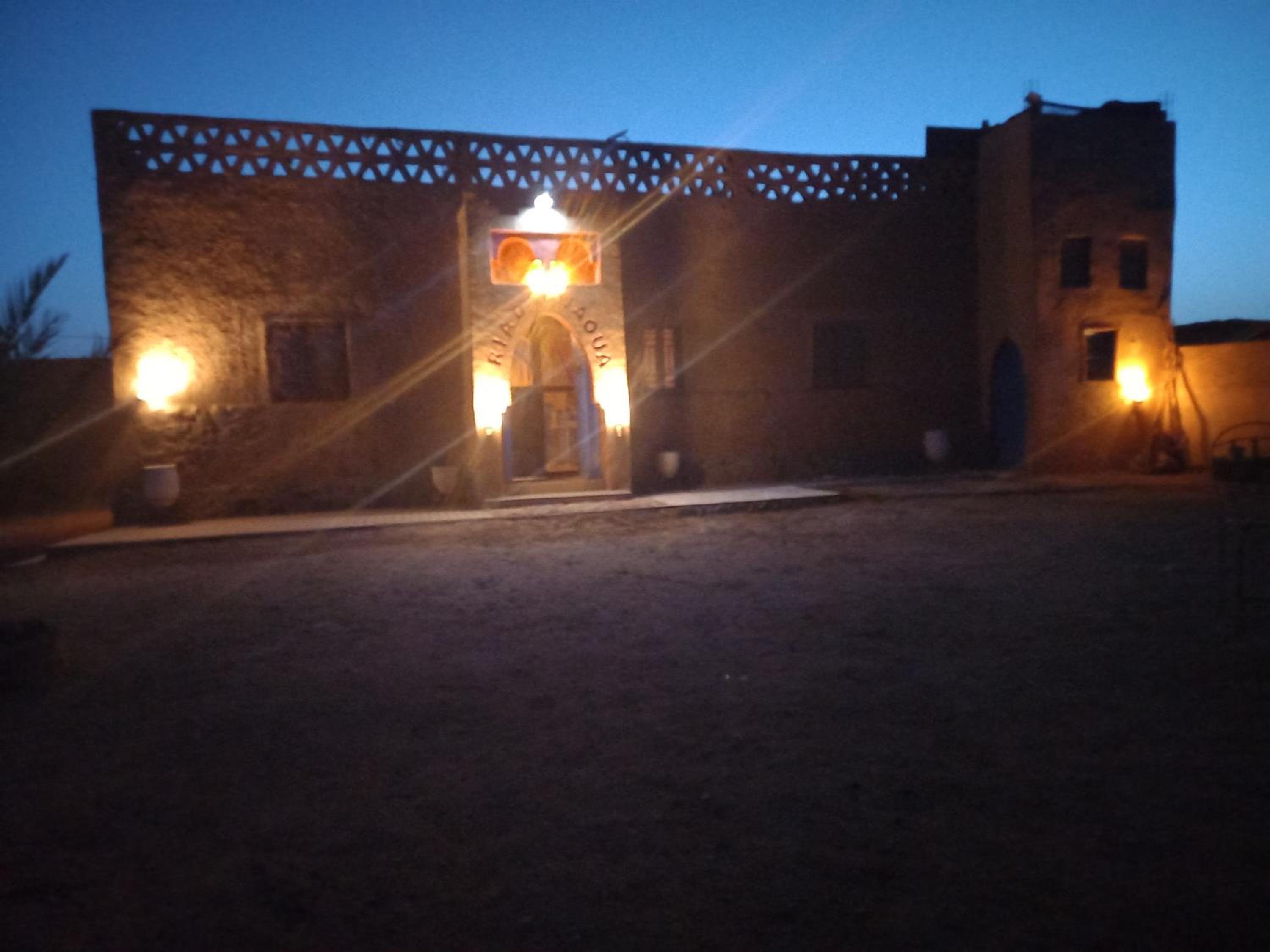
This is not a normal city hotel destination. A stay in Merzouga can mean a village guesthouse, a kasbah-style hotel at the edge of the dunes, a family-run riad in Hassi Labied, a camp deep in the sand, or a more comfortable lodge with a pool and arranged excursions. Each option gives the trip a different rhythm.
Merzouga village is practical if you want shops, road access, transport help, and easy transfers. Hassi Labied can feel quieter and slightly more residential, while still keeping you close to the dunes. Khamlia adds cultural depth, especially for travelers interested in Gnawa music and local community life. Desert camps offer the most dramatic setting, but they need better planning because arrival, luggage, meals, heat, bathroom comfort, and transfers matter more than in a normal hotel.
Hotels in Merzouga are especially useful for travelers who want to experience the Sahara without making the trip harder than necessary. A good property can help arrange camel rides, 4x4 excursions, dune walks, sunrise timing, sunset viewpoints, onward transport, and realistic advice about heat and road conditions.
The best hotel choice is not always the most luxurious one. It is the one that matches your comfort level, arrival time, transport plan, luggage, season, and expectations. In Merzouga, location and logistics shape the whole stay.
The best area to stay in Merzouga depends on whether you want village convenience, dune-edge views, a desert camp, cultural experiences, or easier road access. Distances can look small on a map, but sand, heat, transfers, and luggage can make each location feel very different.
Stay in Merzouga village if you want the most practical base for desert travel. This area gives you easier road access, local shops, restaurants, tour operators, transport connections, and simple arrangements for camel rides or 4x4 excursions.
Merzouga village works well for first-time visitors, late arrivals, budget travelers, solo travelers, and guests who want desert access without feeling too isolated. It is also useful if you are arriving by bus, shared transport, or private driver and need a clear meeting point.
The trade-off is that you may not feel fully surrounded by dunes from your room. However, many properties can arrange dune trips easily, and village convenience can be worth more than a remote setting if your schedule is tight.
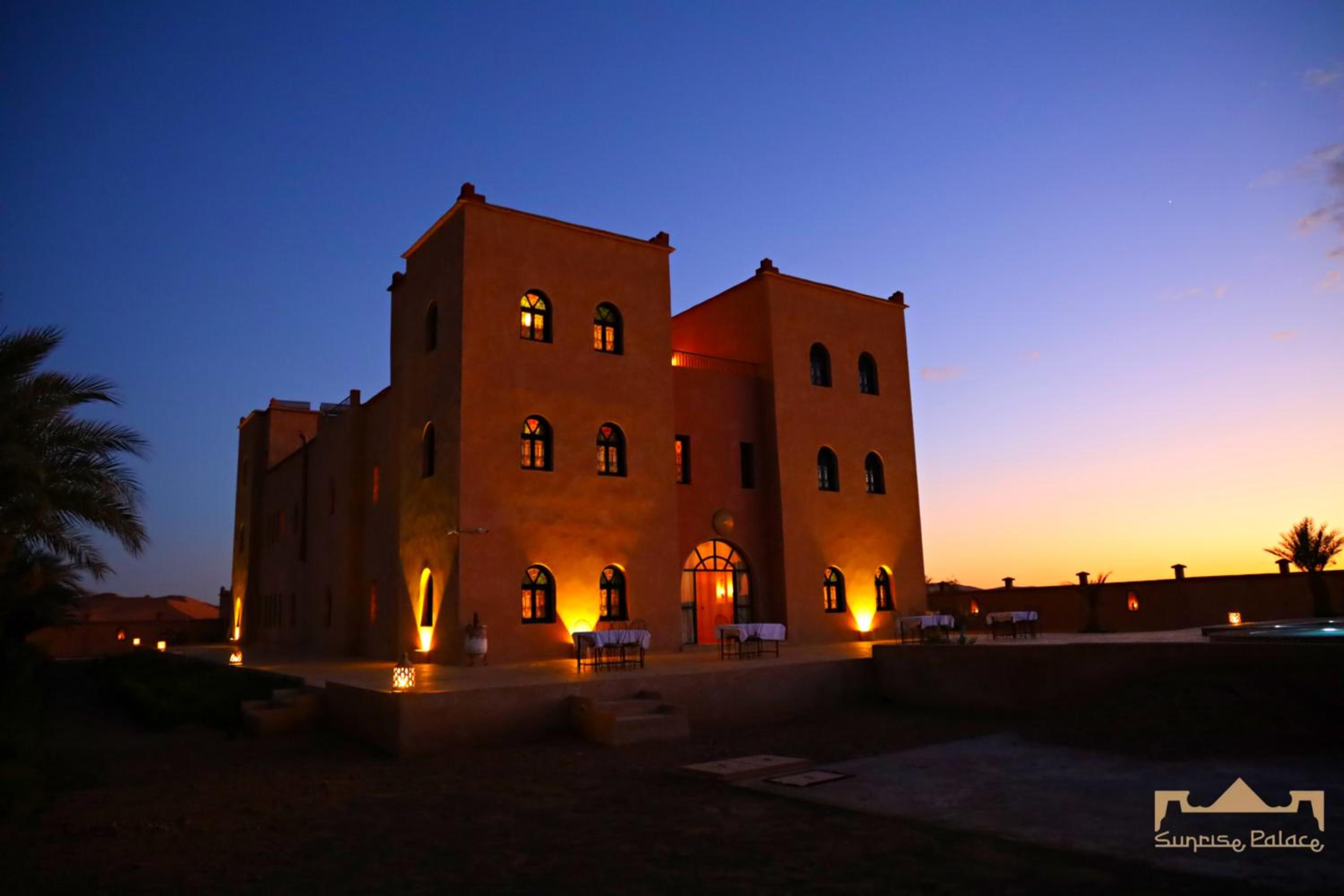
Dune-edge hotels near Erg Chebbi are ideal if you want desert views without giving up the structure of a hotel. These properties can place you close to the sand while still offering rooms, dining, parking, pools, staff assistance, and easier access than deep desert camps.
This area suits couples, families, photographers, and travelers who want sunrise or sunset access without sleeping far from permanent facilities. It can also work well if you want to enjoy the dunes but prefer not to spend the whole night in a tented camp.
Before booking, check how close the hotel really is to the dunes. Some properties sit directly near sand, while others require a short drive or arranged transfer. Photos, recent reviews, and map location matter.
Hassi Labied is a strong choice if you want a quieter stay close to the dunes but slightly away from the busiest Merzouga village feel. It often suits travelers who prefer guesthouses, small hotels, palm-grove edges, local routes, and a more relaxed base.
This area works well for families, couples, slow travelers, and guests who want to combine comfort with easy desert access. It can also feel more peaceful in the evenings, especially if your property has a terrace, courtyard, or pool.
The main thing to check is transport. Some Hassi Labied stays are easy with a car or arranged pickup, while others may feel less convenient if you rely on public transport. Confirm arrival details before booking.
Khamlia is useful for travelers who want a stay with stronger cultural context. The village is known for Gnawa music traditions and can add a more local dimension to a Merzouga trip.
This area suits visitors who want more than dune photos. It can be a good fit for travelers interested in music, community life, slower stays, and desert-edge hospitality. It may also feel quieter than the most tour-focused parts of Merzouga.
Khamlia is not the best choice if you want maximum convenience or frequent movement in and out of Merzouga village. Before booking, check transport, meal options, and how your property arranges dune activities.
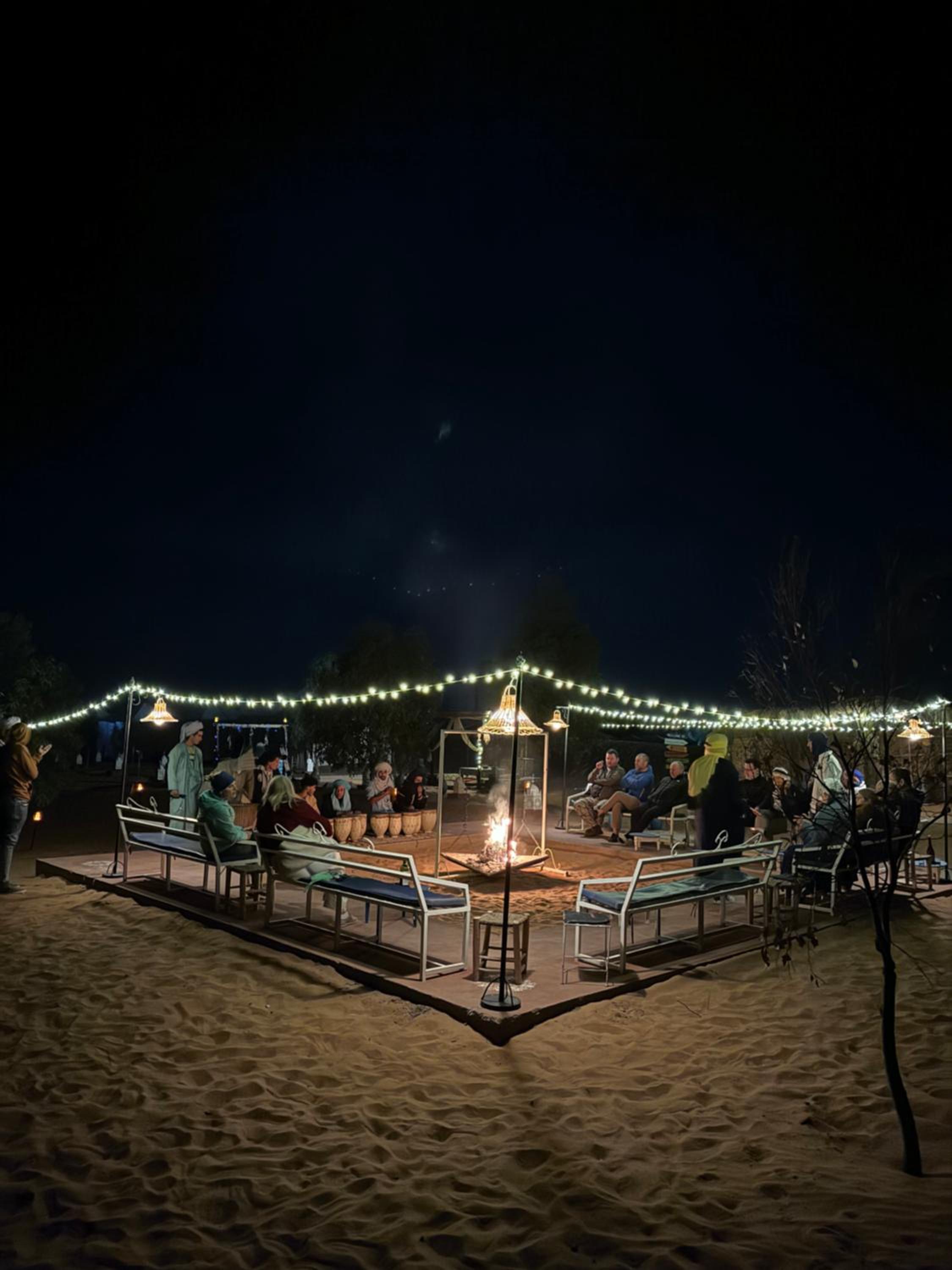
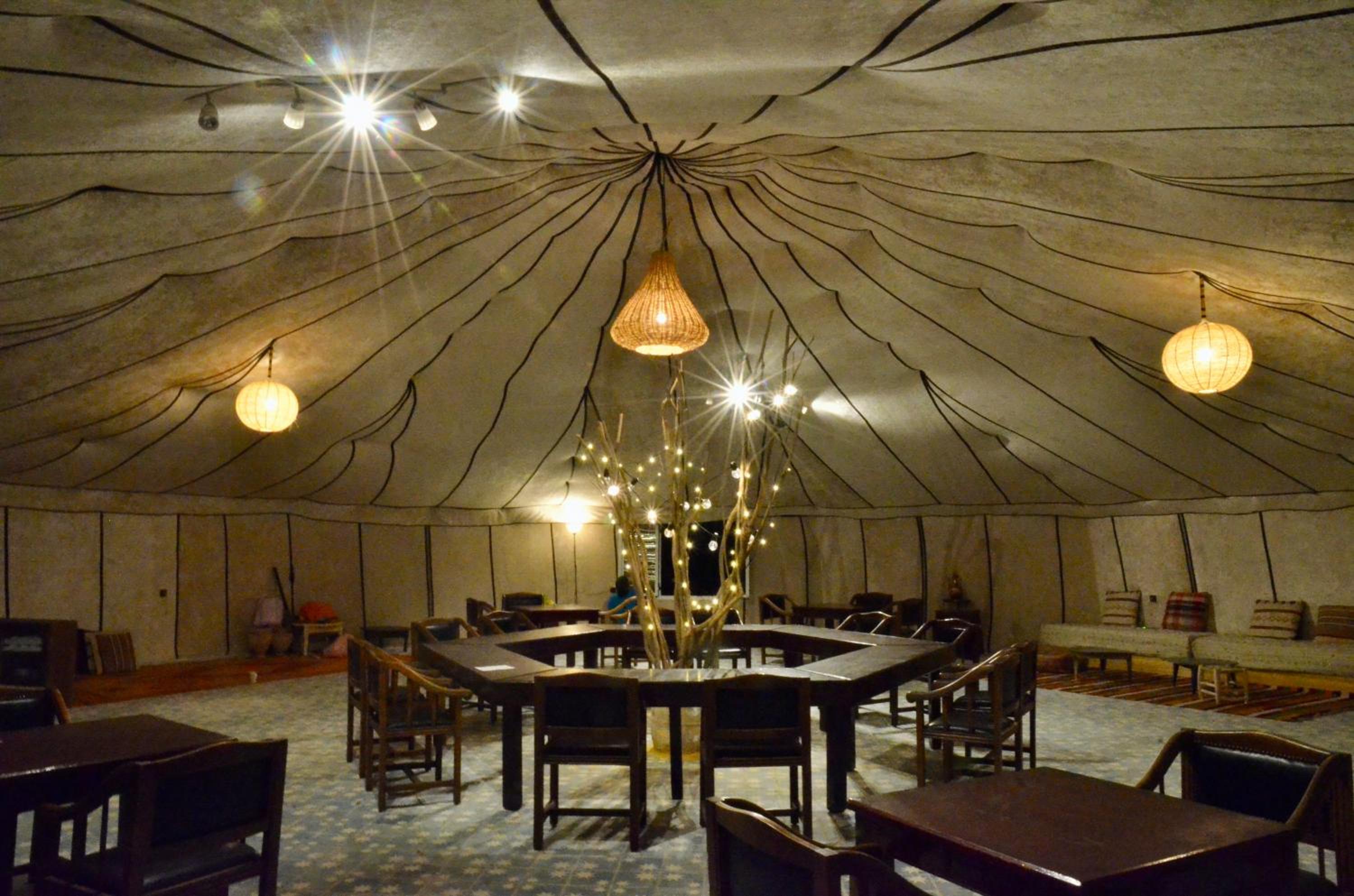
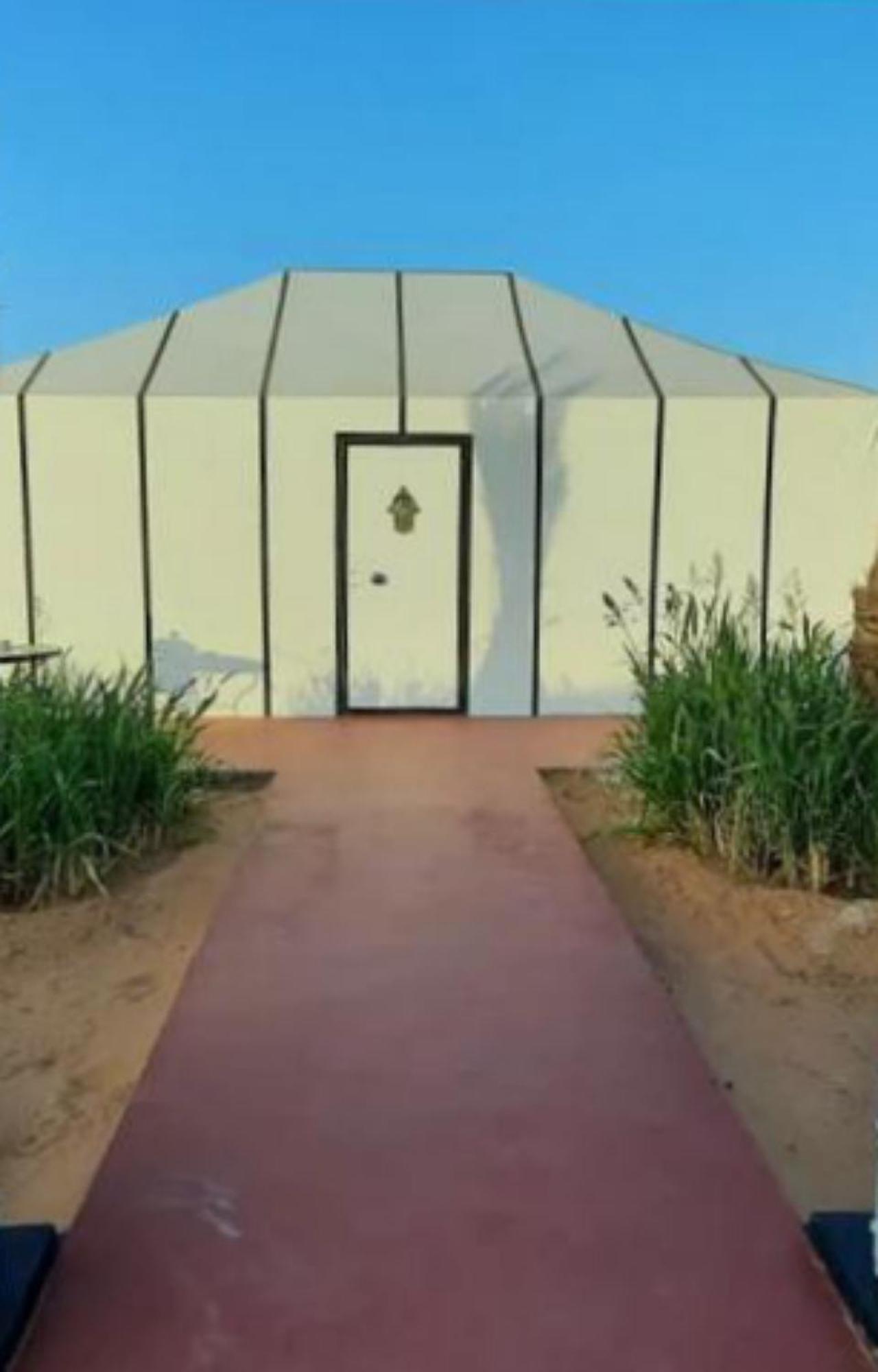
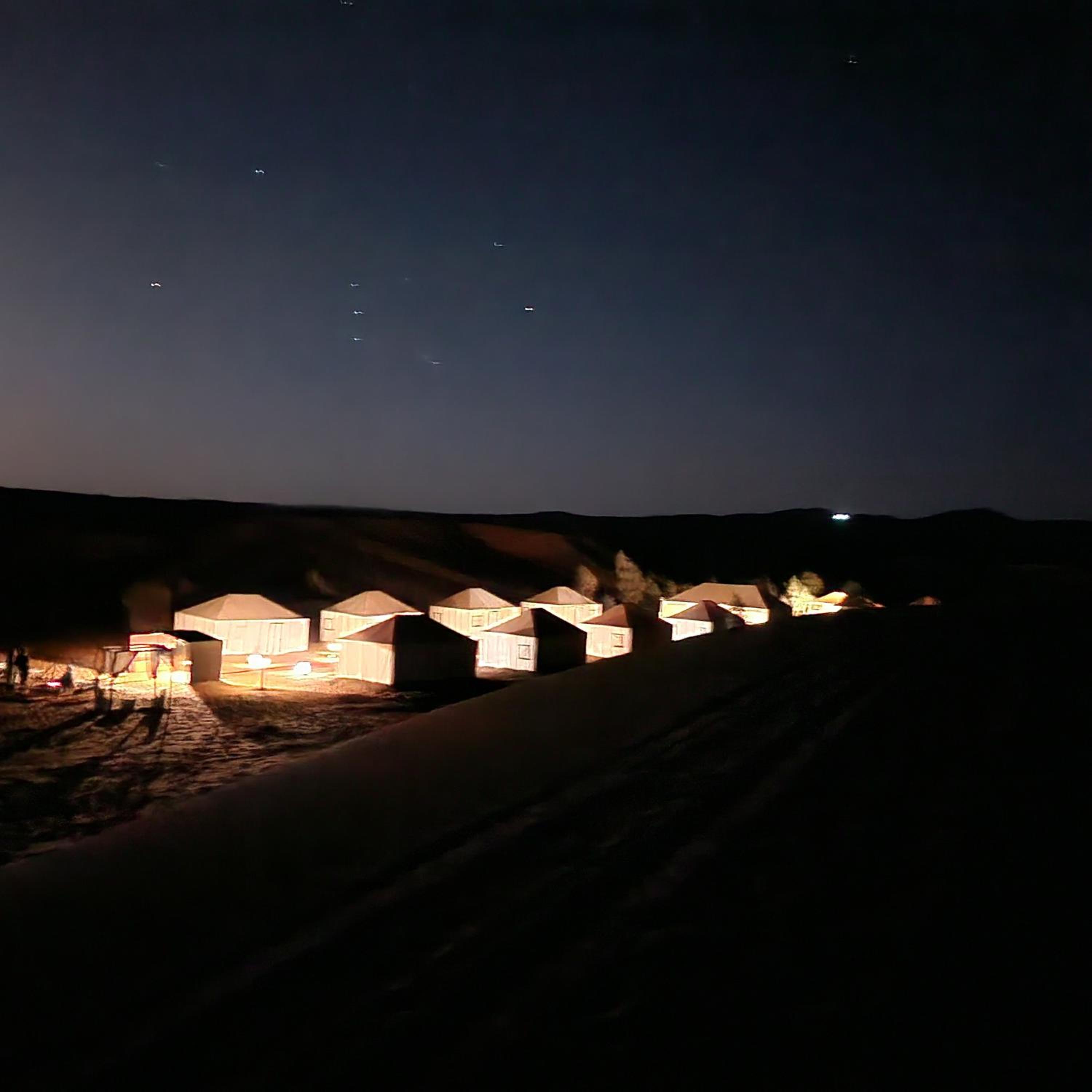
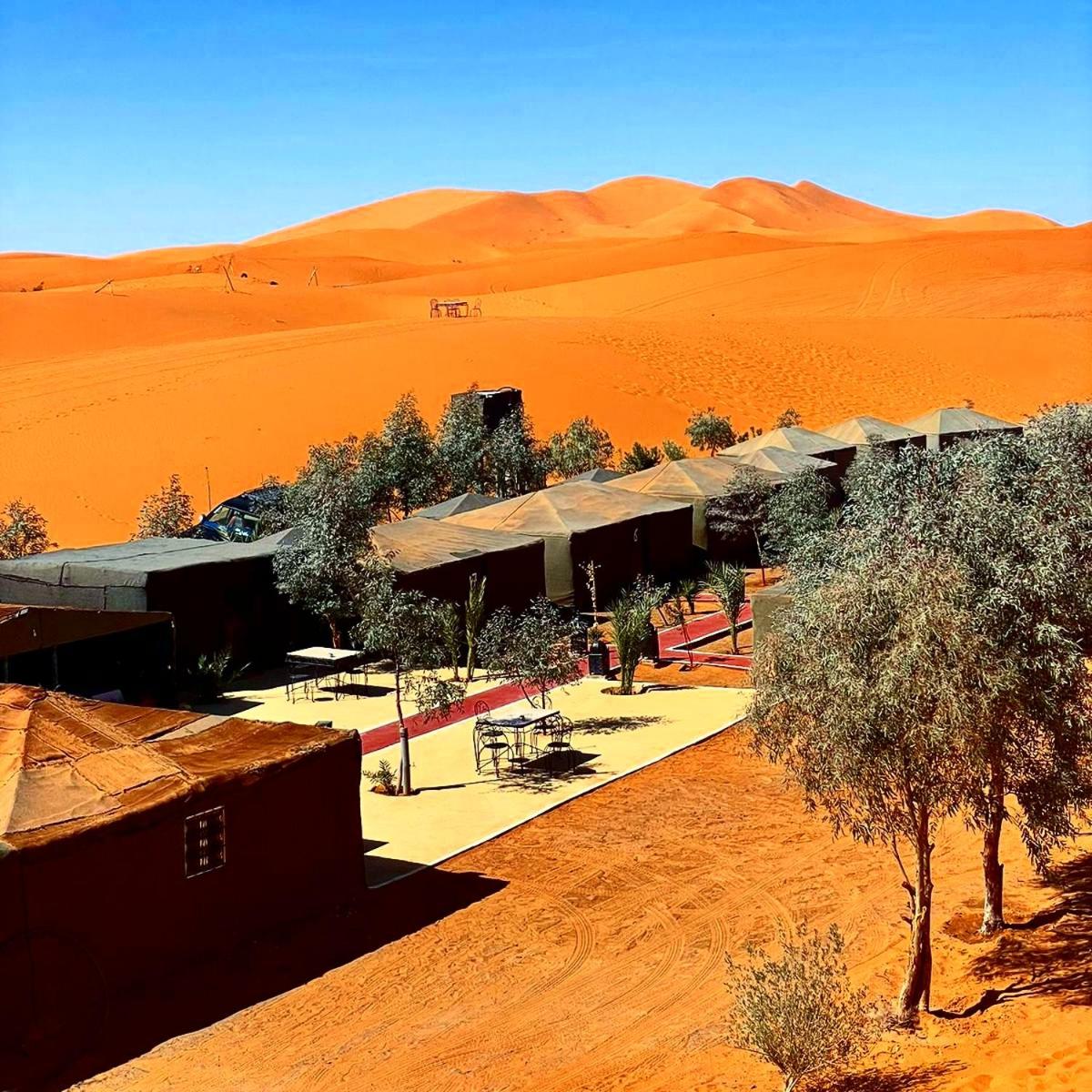
Choose a luxury desert camp if you want the most dramatic overnight experience. These camps usually focus on dune scenery, sunset or sunrise views, traditional-style tents, arranged meals, evening atmosphere, and guided transfers.
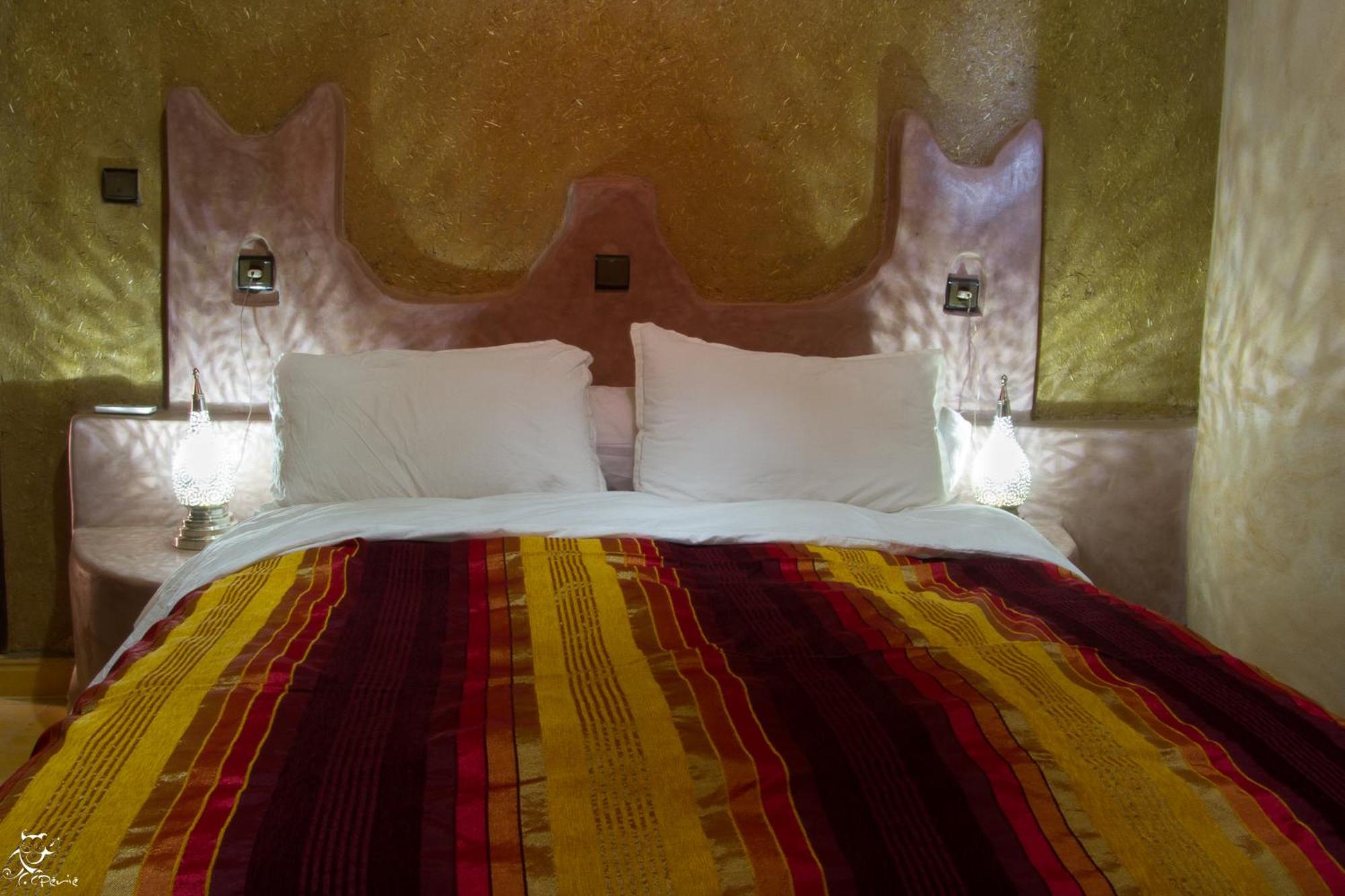
This option works well for couples, honeymooners, photographers, and travelers who want a once-in-a-trip desert memory. Some camps offer private bathrooms, proper beds, electricity, heating or cooling support, and higher-comfort dining, but standards vary widely.
Before booking, check the details carefully. Ask where the camp is located, how you reach it, whether transfers are included, what happens with luggage, whether bathrooms are private, and what level of comfort to expect in your travel season.
Budget and simple desert camps can offer a memorable experience at a lower cost, especially for backpackers, younger travelers, and guests who care more about atmosphere than luxury.
This style of stay may include basic tents, shared facilities, group meals, camel transfers, and a more rustic experience. It can be rewarding if expectations are realistic and the operator communicates clearly.
The trade-off is comfort. Desert nights can be cold, days can be hot, and facilities may be simple. Before booking, check bedding, bathrooms, water, meals, transfer arrangements, and what is included in the price.
Erfoud and Rissani are not the same as staying in Merzouga, but they can be useful for some itineraries. Erfoud works better for road access, fossils, hotels, and wider regional logistics. Rissani adds market culture and local history, especially for travelers passing through the Tafilalt area.
These towns can suit road trippers, travelers who do not need to sleep beside the dunes, or guests who want a more practical stop before or after Merzouga. They are less suitable if your main dream is to wake up beside Erg Chebbi.
If a hotel appears in the wider Merzouga search area, check the map carefully. Staying outside Merzouga may save money or improve road convenience, but it changes the desert experience.
Merzouga's best attractions depend heavily on where you stay. A village hotel makes logistics easier, a dune-edge hotel gives quick sand access, and a desert camp turns the dunes into the centre of the whole experience.
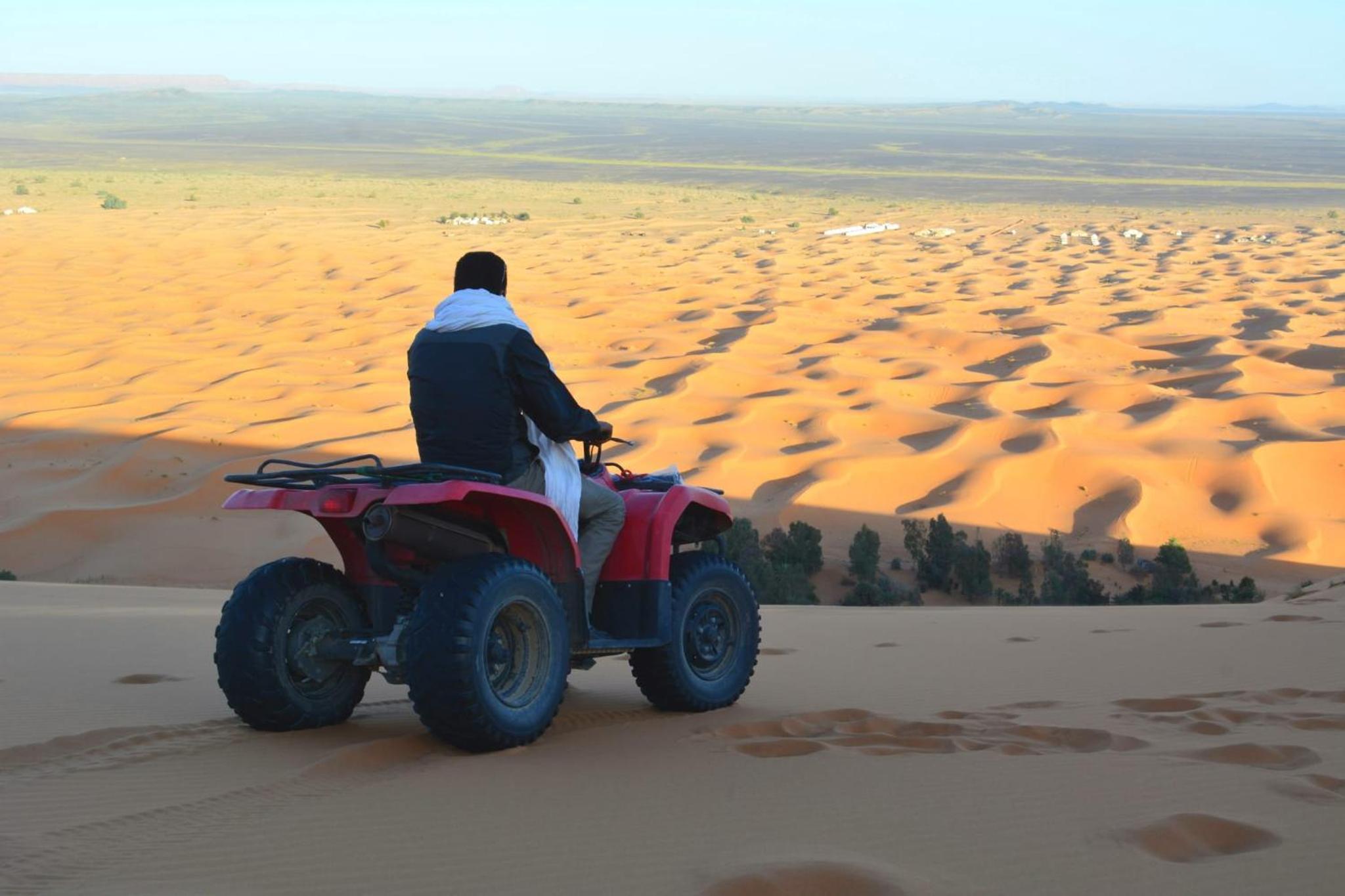
Erg Chebbi is the main reason most travelers come to Merzouga. The dunes create the classic Sahara scene, with tall orange sand formations, changing light, long shadows, and powerful sunrise and sunset views.
Staying near the dunes makes the experience much easier. You can walk, ride, or transfer into the sand without turning the visit into a rushed excursion. However, conditions can be hot, windy, or disorienting, so follow local advice and avoid going far into the dunes without guidance.
Sunrise and sunset are often the most memorable parts of a Merzouga stay. The sand changes color quickly, the air feels cooler, and the desert becomes quieter than during the middle of the day.
A dune-edge hotel or desert camp makes these moments easier to enjoy because you do not need a long transfer in the dark or heat. If you stay in the village, ask your hotel about the safest and simplest viewpoint options.
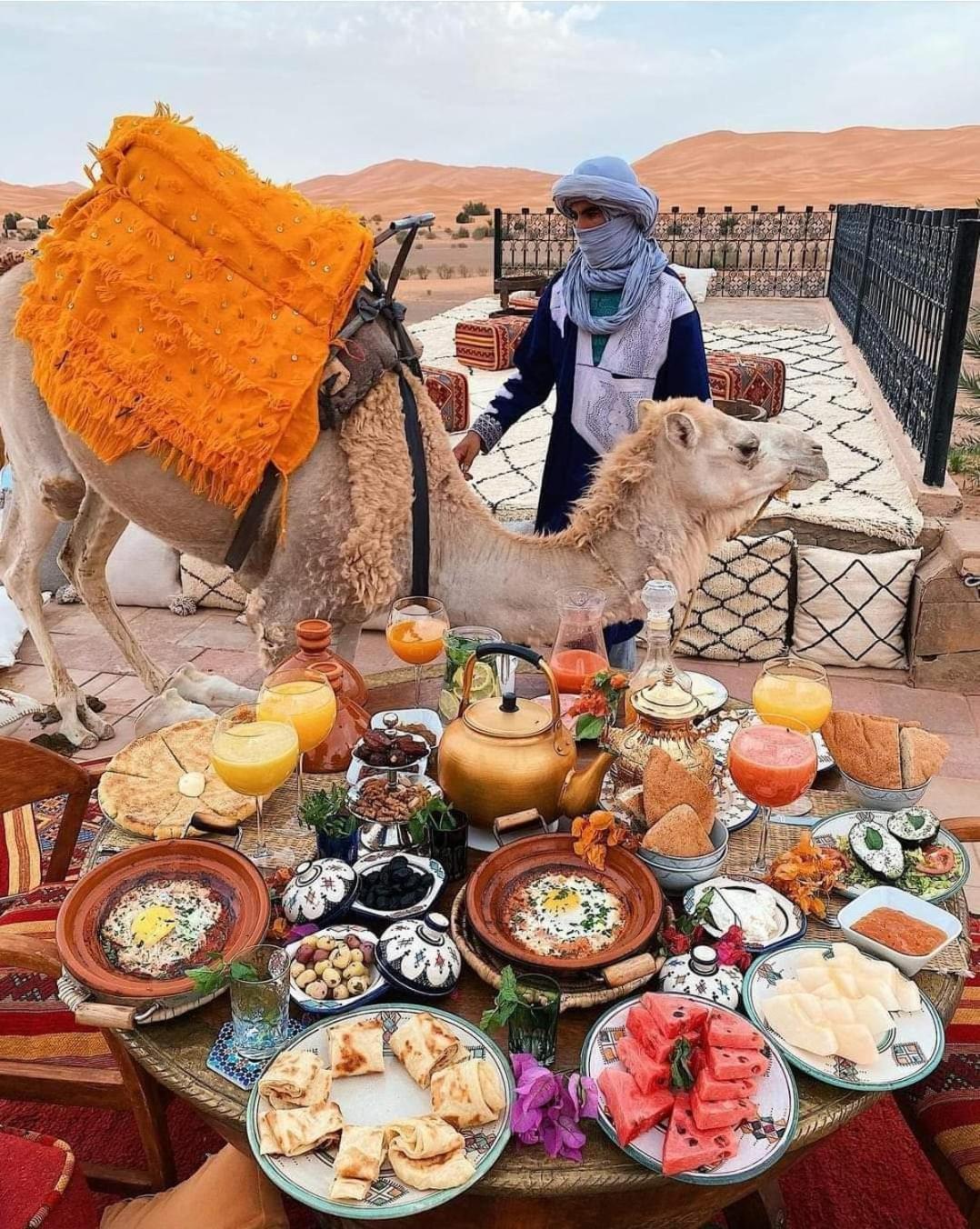
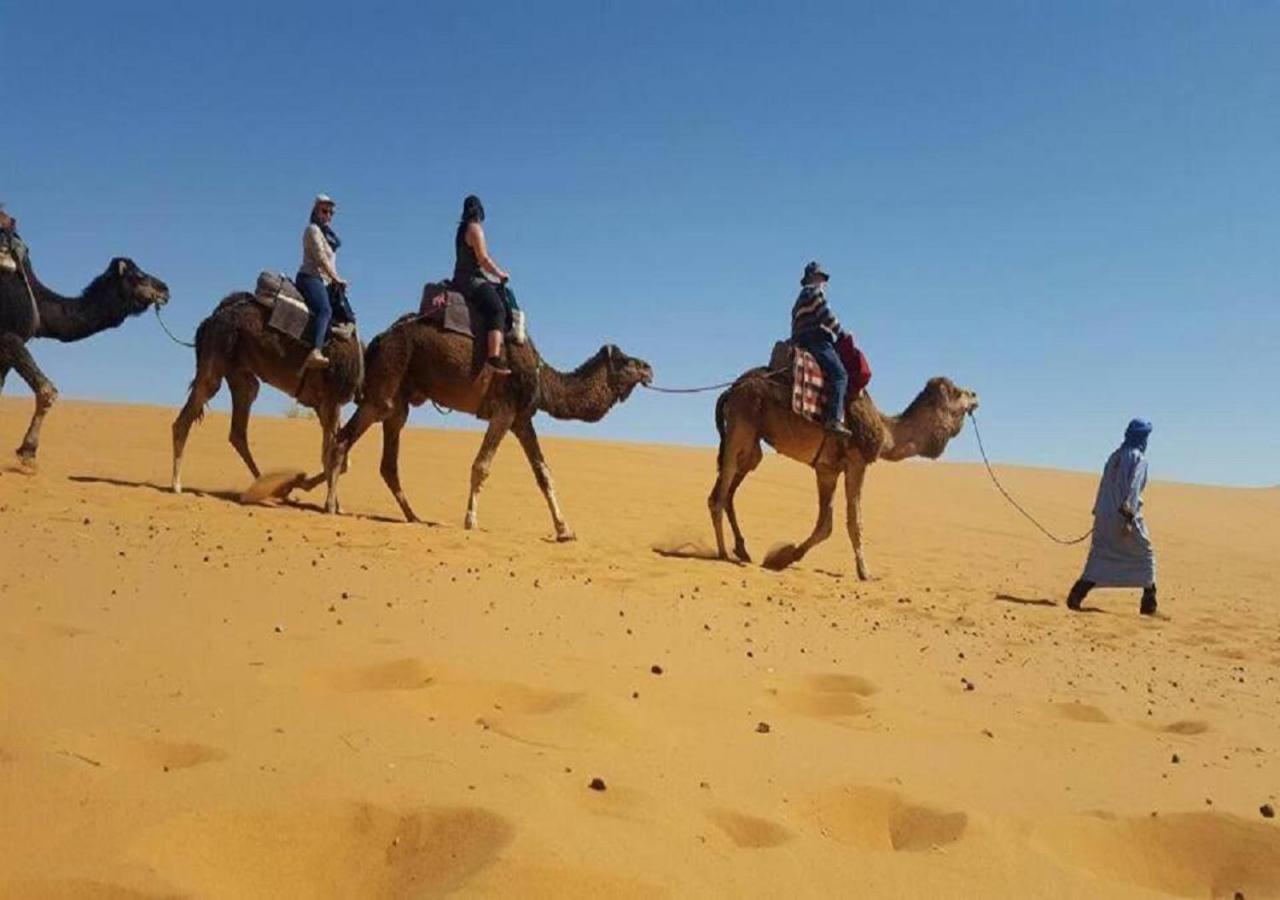
Camel rides are one of the classic Merzouga experiences, especially around sunset or for overnight camp transfers. Short rides can be enough for many travelers, while longer routes suit guests who want a more immersive desert rhythm.
A good hotel can help arrange the right type of ride for your comfort level. Ask about duration, start time, group size, route, safety, and whether walking back or returning by 4x4 is possible if needed.
4x4 routes are useful for travelers who want to see more than the closest dunes. Depending on the route and operator, excursions may include desert tracks, fossil areas, nomad-family visits, panoramic stops, dry lake areas, or villages around Erg Chebbi.
These trips should be arranged through reliable local operators or your accommodation. Desert driving is not something to improvise without experience, especially in heat or remote areas.
Khamlia adds cultural depth to a Merzouga stay. The village is known for Gnawa music traditions, and many visitors include it as part of a wider desert circuit.
Staying in or near Khamlia can make this experience feel more natural, while Merzouga village or dune-edge hotels can usually arrange visits. Approach cultural experiences respectfully and avoid treating them as quick photo stops.
Dayet Srji is a seasonal lake area near Merzouga that can attract birds when water is present. It adds a different landscape to the desert experience, especially after wetter periods.
Because conditions vary, ask locally before planning your visit. A nearby hotel or guide can advise whether the lake is worth visiting at the time of your stay.
Rissani is an important nearby town and a useful cultural stop for travelers who want to understand the wider Tafilalt region. Its market, local food, trade routes, and historic role make it a good contrast to the dune-focused parts of Merzouga.
This is easiest as a half-day outing with a driver or as part of your arrival or departure route. If you want to include Rissani, choose accommodation that can advise on market days and transport.
Erfoud is often linked with fossils, date-palms, and wider desert-route logistics. It can be a useful stop before or after Merzouga, especially for travelers interested in geology, desert landscapes, or road-trip planning.
A Merzouga hotel can usually help arrange a visit or advise whether it makes sense for your itinerary. It is more practical as part of a transfer route than as a short walk from your accommodation.
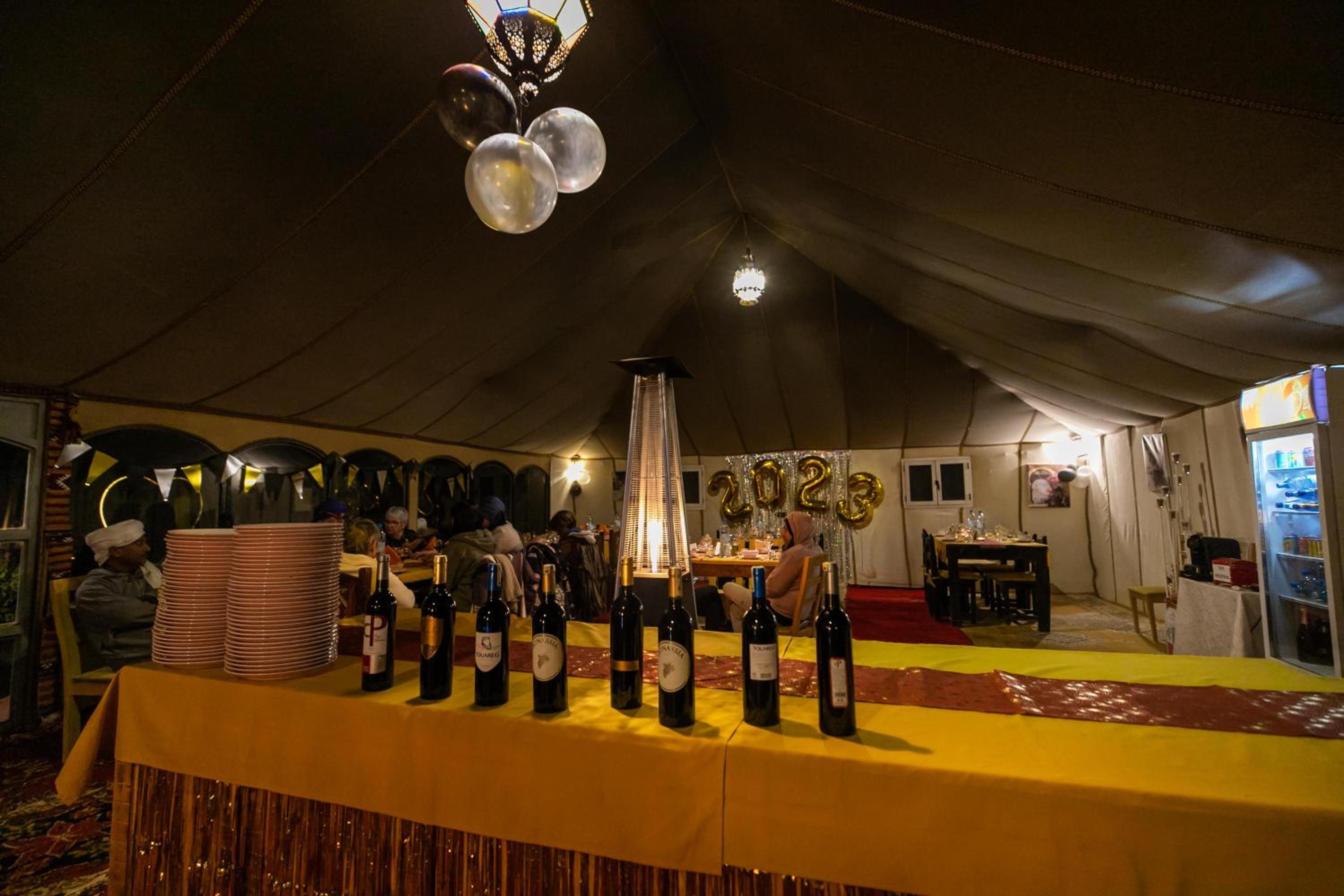
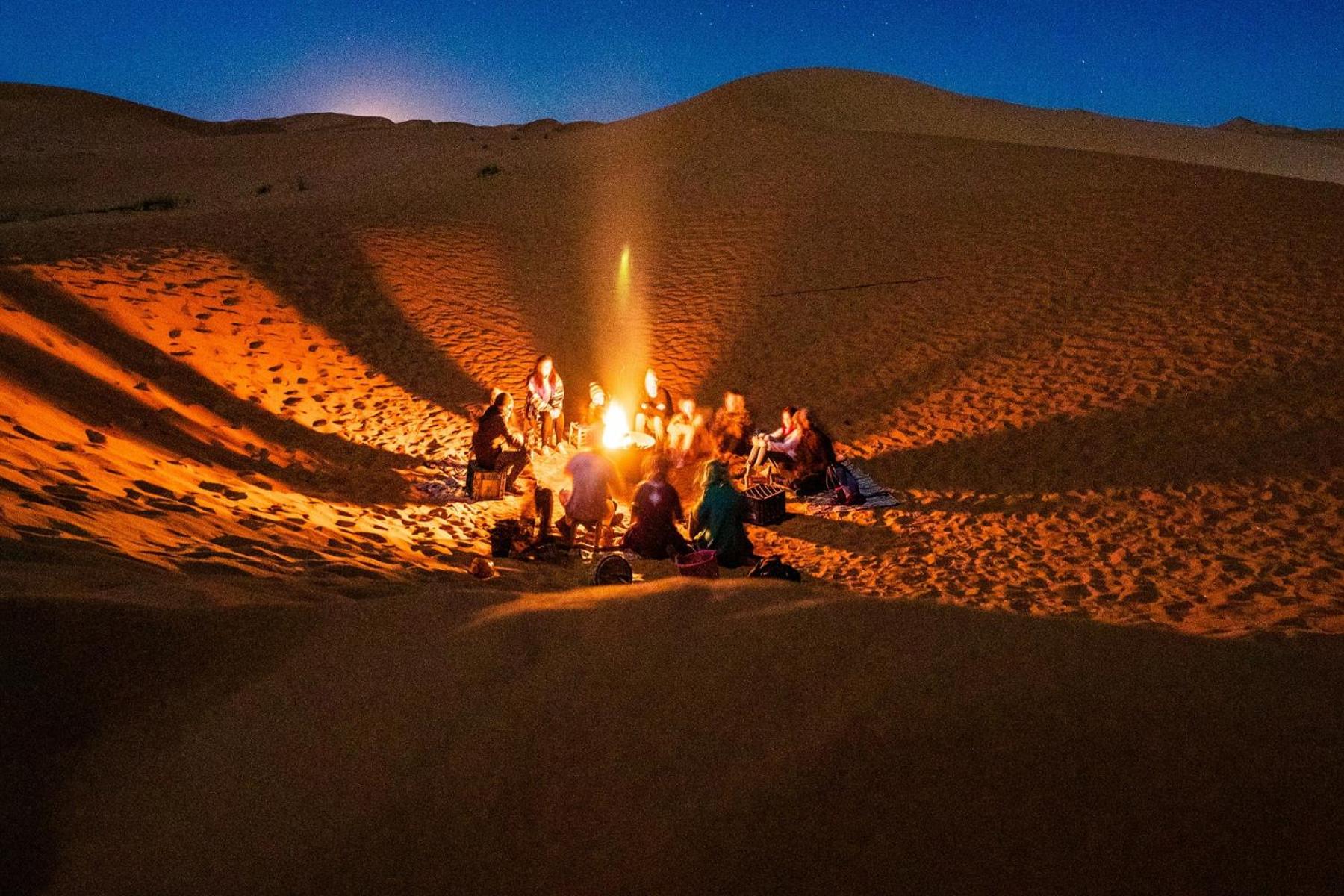
An overnight camp is not just a place to sleep. It can become the main attraction of a Merzouga trip, especially if it includes sunset arrival, dinner, music, stargazing, sunrise, and a calm morning in the dunes.
Choose carefully. The quality of transfers, meals, tents, bathrooms, bedding, heating or cooling, and staff communication can shape the whole experience. Do not book only from photos.
Merzouga can be visited throughout the year, but the most comfortable months are usually from October to April. During this period, the weather is generally better for camel rides, dune walks, 4x4 routes, photography, and overnight desert stays.
Spring and autumn are especially popular because daytime conditions are more manageable and evenings are usually more comfortable. These seasons are a strong choice for first-time visitors who want the full desert experience without the most extreme heat.
Winter can be excellent for desert travel, especially if you prefer cooler days and clear skies. However, nights can become very cold, particularly in camps. If you visit in winter, check bedding, heating, tent comfort, and whether the property is prepared for cold nights.
Summer requires much more caution. Daytime heat can be intense, and desert activities may need to happen very early in the morning or later in the evening. If you travel in summer, choose accommodation with strong cooling, shaded spaces, a pool if possible, and staff who plan activities around safe timing.
Ramadan, Moroccan holidays, European holiday periods, and peak tour seasons can affect hotel demand. If you want a specific luxury camp, family-friendly hotel, or dune-edge property, book earlier rather than waiting until the best options are gone.
For the best stay, match your hotel type to the season. Desert camps are most comfortable in cooler months. Hotels with pools and air conditioning are more useful in hot periods. Village or road-access stays can be easier if you arrive late, travel with children, or need simpler logistics.
Discover hotels in other popular cities around the world